
Should you fill out Rep. Fulcher’s Public Lands Survey? Yes, please. Tell our Congressman that American Public Lands belong in Public Hands.
One of the best parts about summer is comparing notes with friends and families about their adventures on American public lands. This month’s recount included stories across the West about family trips to Grand Canyon and Glacier National Parks, backpacking trips to mountain lakes, floats down Wild and Scenic Rivers, and morning mountain bike rides across ridgelines with peak wildflowers.
Public lands also mean business. Public lands are a powerful economic driver for local communities. They support economies both indirectly as sources for clean water, clean air, fish and wildlife, and directly through recreation, tourism, and sustainably managed businesses. These include activities authorized through special use permits, grazing permits, Rights-of-Way, and timber contracts, all of which can help sustain local livelihoods while supporting responsible stewardship of public lands.
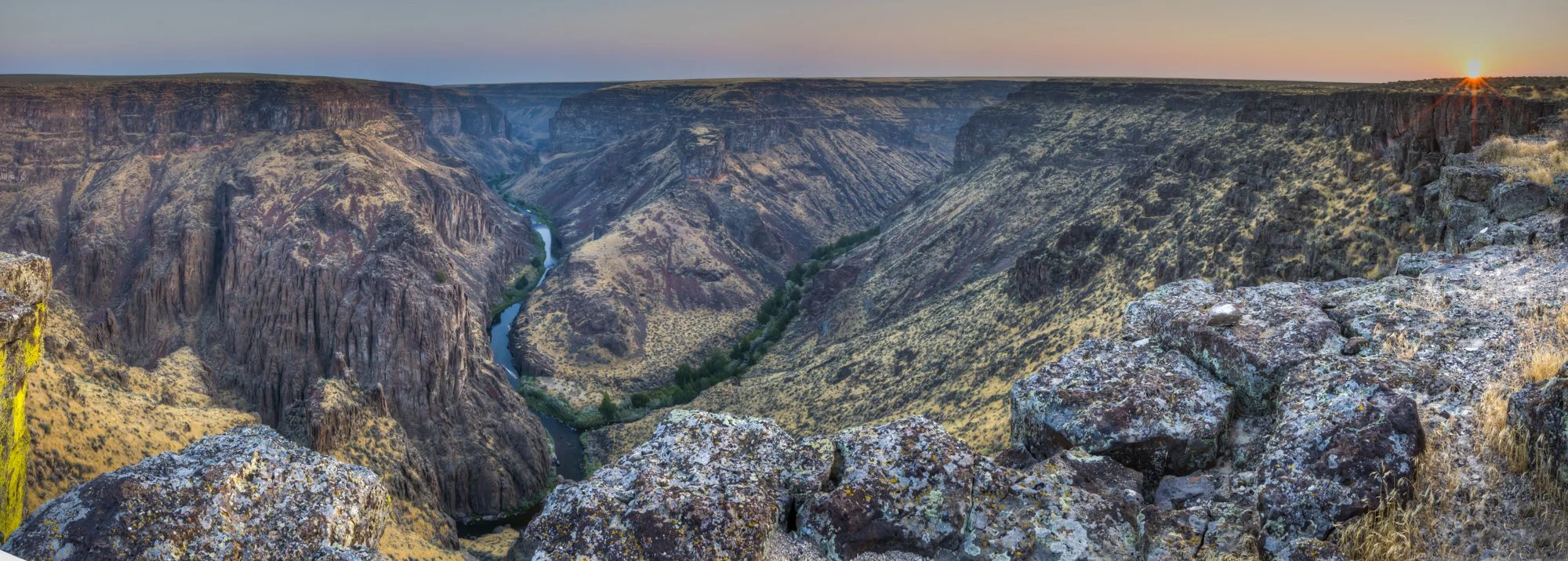
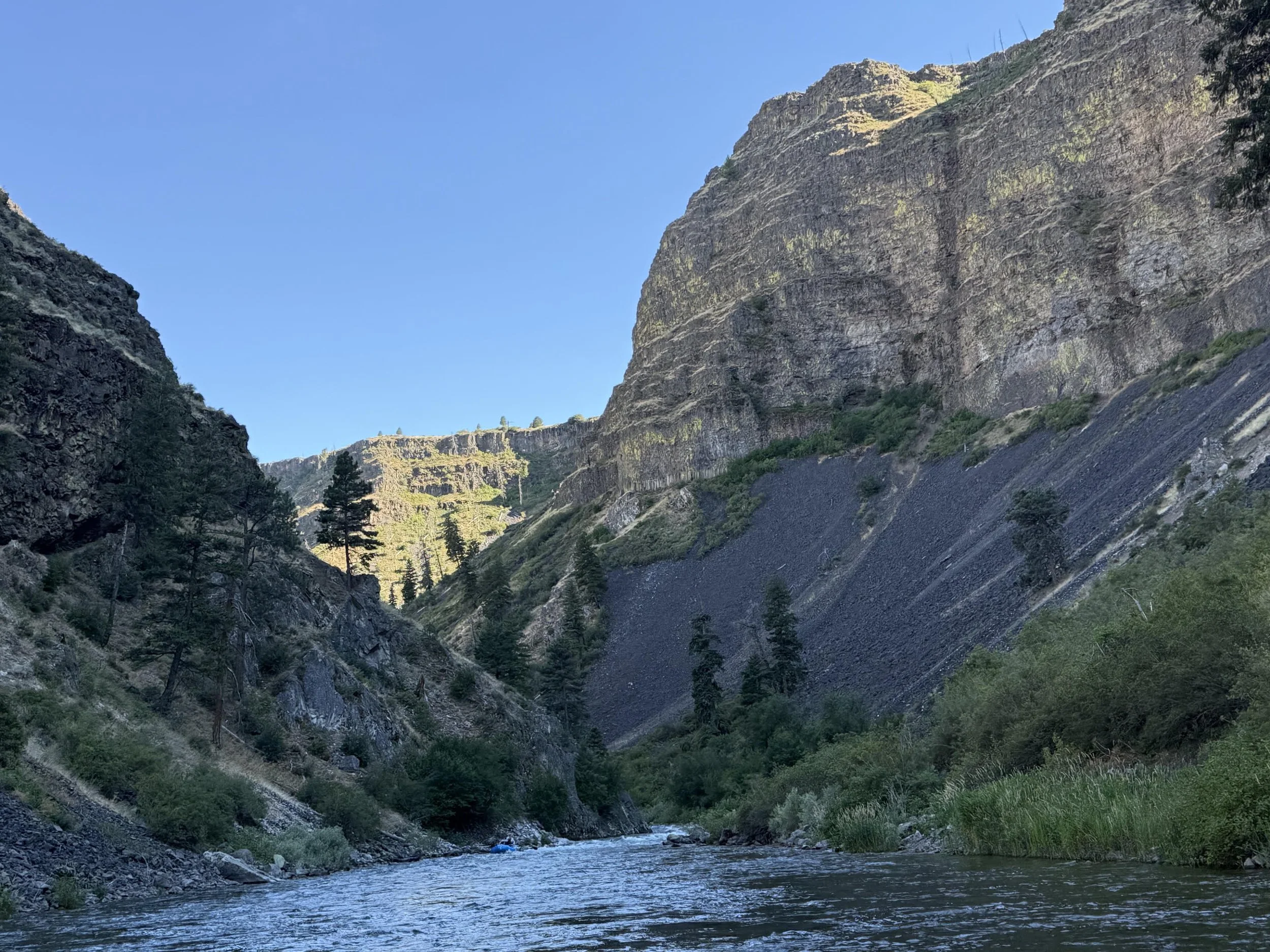
Bruneau Wild and Scenic River. BLM, Bob Wick photo.
But there are those interested in profiting off public lands in a way that undermines the landscapes and public ownership. These commercial interests would prefer these lands be transferred to State control, where state endowment lands must be managed to maximize financial returns. But a 2026 analysis by Backcountry Hunters & Anglers found that the wildfire fighting, restoration and other costs could cost Idahoans an additional $837 million dollars annually.
And because the State is unlikely to raise taxes to cover these costs and balance the budget, these lands would have to be sold directly to these private interests. Fortunately, Idahoans have stood up time and time again to make sure that public lands stay in public hands and that these landscapes remain places we all can enjoy.
Following the nationwide backlash against proposals to sell public lands, those enamored with state or private control have shifted their focus from selling off public lands to selling out public lands. Rather than pursuing outright land sales or ownership transfers, they are promoting transferring management authority—a change that could end up in further disenfranchising the public and the privatization of lands.
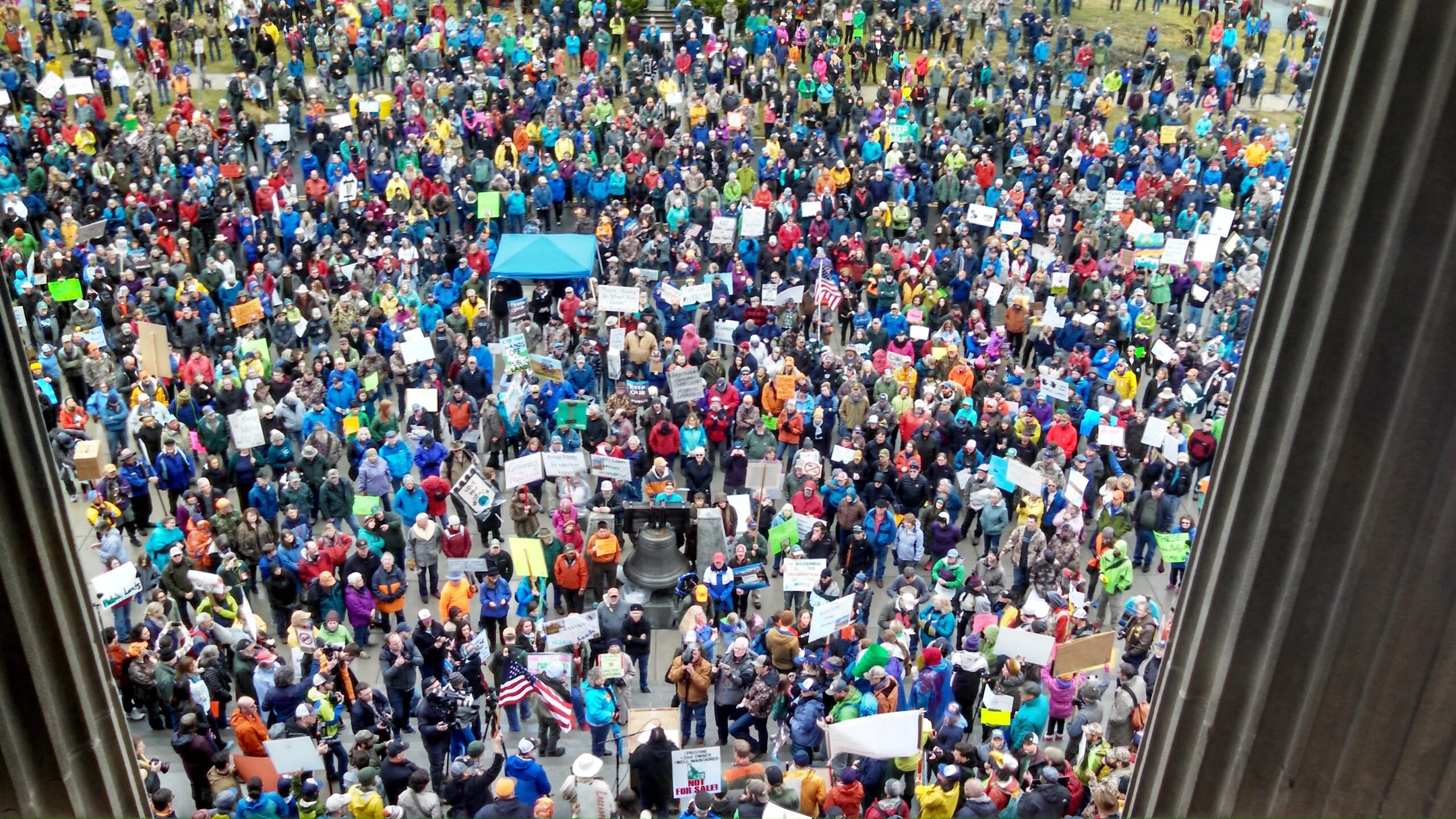
In March 2025, thousands of Idahoans showed up at the Idaho Statehouse to send a clear message to decision makers: Keep Public Lands in Public Hands.
Idaho Congressman Russ Fulcher has invited the public to complete a federal land management survey. The survey is well worth filling out, particularly the sections that allow respondents to provide their own unique comments rather than simply selecting multiple-choice answers. Those open-ended responses are an opportunity to briefly share your own perspective on the future of public lands.
As a reminder, Rep. Fulcher voted in favor of legislation in 2025 that included provisions to sell off millions of acres of public land, and last winter he published a letter stating that the transfer of public lands to state and local entities was “imminent.”
The survey contains some leading questions suggesting that local communities and counties should have more input and authority in managing public lands. At first glance, that may sound appealing—after all, who wouldn’t want a stronger voice in decisions affecting the places they care about? Most of us have ideas about how we’d like our lands to be better managed.
“Local control” or “county authority” may sound good at first—until you realize that this just means concentrating decision-making power in the hands of a small number of elected officials, such as county commissioners or state legislators...as well as whichever interests and industry business partners have their ear. “Local control” by definition limits other (public) voices, making it far less likely that your own perspective will be heard.
Public lands belong to all Americans, and their management has long reflected broader public interest such as clean water for our communities. Further elevating the priorities of commercial interests would likely come at the expense of other Idahoans and the American public who also own and rely on these lands, and the health of these lands themselves. Decisions about public lands should encompass the full range of people and values they provide, not just the interests of extractive industries and billionaires.
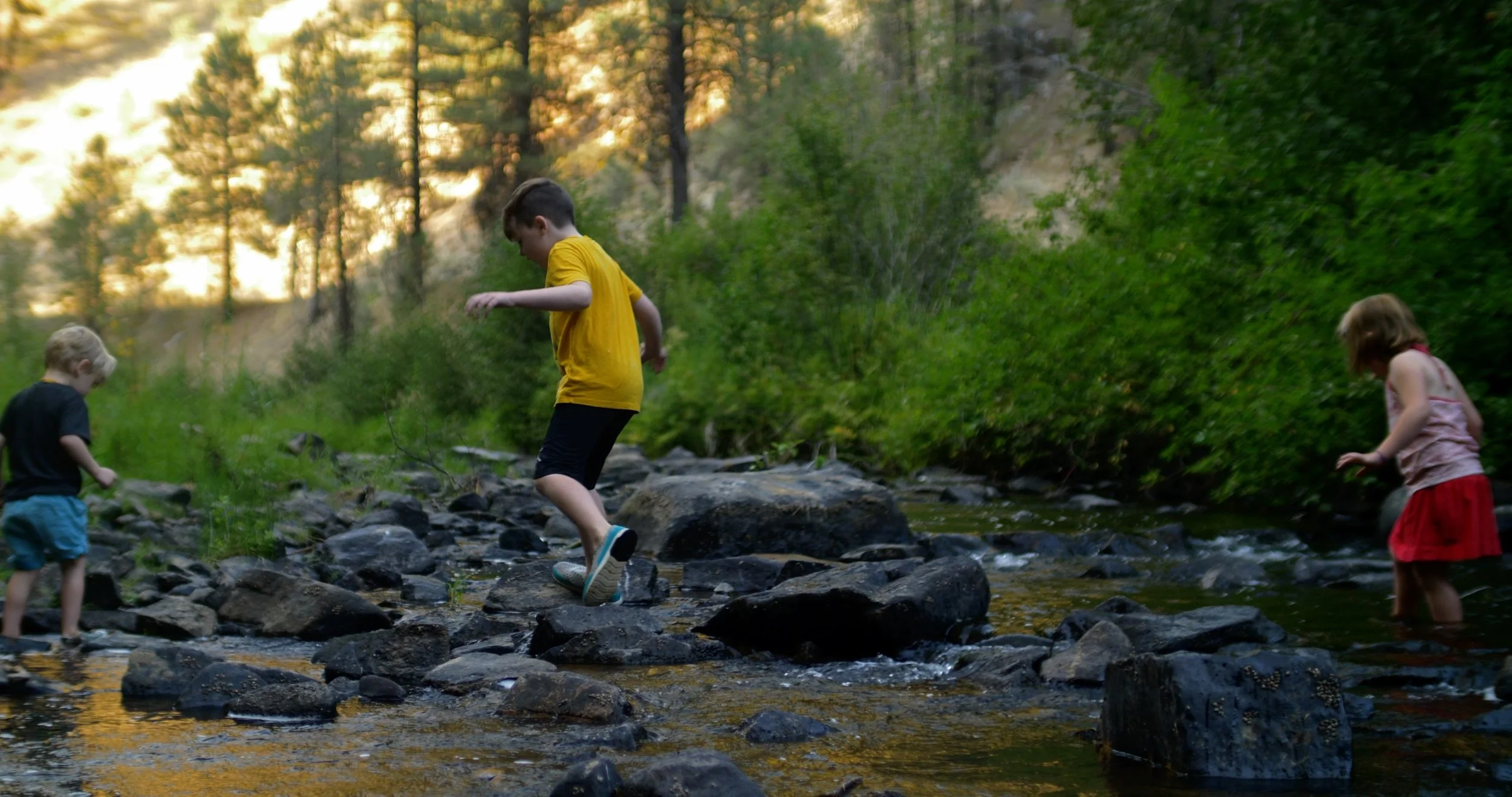
Under current law, federal agencies like the Forest Service and Bureau of Land Management (BLM) are supposed to consider and respond to public input from all Americans. That reflects a simple principle: public lands belong to everyone. They provide something for everyone and everything: clean water, fish and wildlife habitat, wilderness, recreation opportunities (motorized and nonmotorized), timber, grazing, minerals, and natural climate benefits such as carbon storage.
American public lands are also managed under legal responsibilities that the state, county, and private landowners generally do not share. These responsibilities include honoring Tribal treaty rights, protecting habitat for sensitive species to avoid extinction, safeguarding rare plants and their pollinators, securing sources of clean water for communities, and providing a range of recreational opportunities. This is a complex balancing act and the federal government doesn’t always get it right, but because these lands belong to all of us, we get to be part of conversations and decisions, and can hold agencies accountable.
If these lands are given to the County or State or private management, many of those broader obligations would disappear altogether. Local managers may be primarily focused on revenue generation rather than responsibilities like protecting special areas from overdevelopment. Ask these local managers what their plans are for flammulated owls, Sacajawea’s bitterroot, Idaho giant salamanders, big game migratory corridors, or Recommended Wilderness and they might give you a funny look.
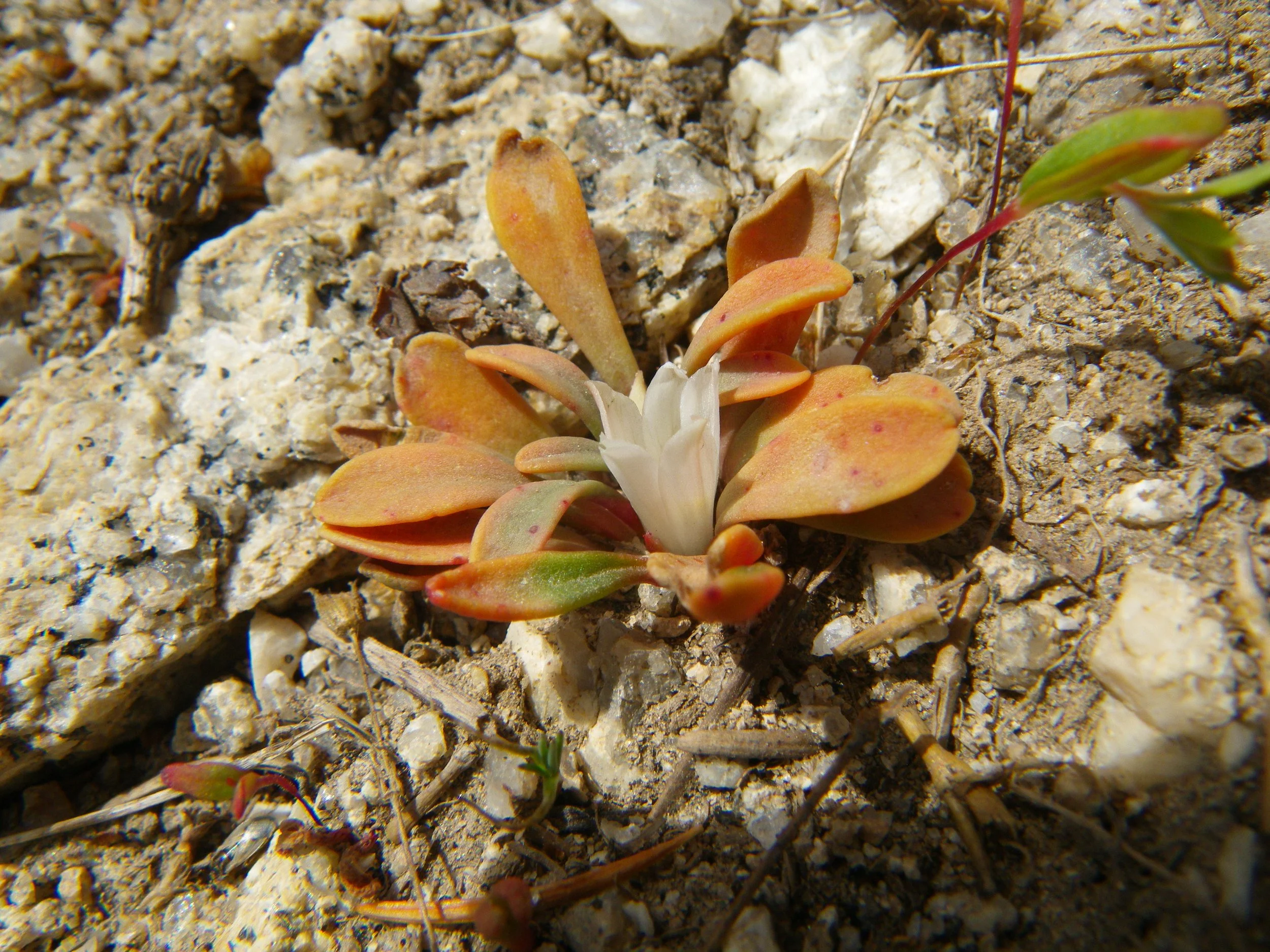
Sacajawea's bitterroot is a rare plant that occurs no where else in the world but the mountains of central Idaho.
It is almost impossible to find a parcel of State Endowment Land or a county-managed property that is as inclusive and serves such a wide range of public interests as federal lands. Not every acre of American public land is appropriate for every use (an open pit mine isn’t ideal as a wildlife refuge), but across the public lands system, there is something out there for everyone.
I still care deeply about the public lands I worked on in Utah and Wyoming, and I believe I should have a voice in how they are managed, just as others should have a voice in the future of Idaho’s public lands. Some of my favorite places are in Utah, including areas whose National Monument protections were reduced without any public review after state politicians and extractive industries pushed for those changes.
Rep. Fulcher isn’t wrong in asking if public lands management can be improved. It certainly can and should be. But some of the presumptions in the survey steer the conversation in the wrong direction—toward further concentrating power to special interests—instead of further involving the public to manage the lands they own. Ironically, at the same time some Rep. Fulcher argues for greater local input, the current administration is reducing opportunities for public participation by eliminating comment periods and project notifications for both local communities and members of the public everywhere.
Many of the challenges people point to on public lands—such as trail maintenance, aging infrastructure, or limited agency capacity—are not the result of federal ownership itself, but the consequence of years of insufficient federal funding for the agencies responsible for managing these lands. And guess who controls federal funding and holds the power to provide the staff and resources needed to better steward America’s public lands? Congress. And guess who is circulating this survey? Congressman Russ Fulcher.
Fortunately, we don’t have to choose between meaningful local involvement and national stewardship. We know how to customize real solutions for the local community in ways that recognize the national significance of these lands. Efforts such as the Owyhee Initiative, the Collaborative Forest Landscape Restoration Program, and the Idaho Roadless Rule have brought together local, state, national, and Tribal interests to develop solutions that reflect local needs with local expertise while ensuring everyone has a seat at the table. Important programs like Secure Rural Schools and Payment in Lieu of Taxes can still be improved. The Explore Act, the America the Beautiful Act and the Legacy Restoration Fund are excellent starts, but the real solution involves properly funding and staffing our public land management agencies, not diminishing them.
For some key conservation talking points and to see ICL’s survey guide, click here. The, please follow this link to Rep. Fulcher’s Public Lands Survey. Tell him that American public lands belong in public hands and offer your own suggestions to improve the management of the lands we all own.