
The Ivory-billed woodpecker once ranged throughout the expansive timbered bottoms of the American southeast. With wings that spanned over 30 inches, it was one of the largest woodpeckers in the world. The bird was an old-growth forest obligate—meaning it was completely dependent on large, mature and decaying trees for nesting and shelter. In the 1930s, decades before the creation of the Endangered Species Act, the American people were aware that extinction of the grand bird was the most likely outcome after years of unsustainable logging of virgin forests. What was thought to be the last bird of its kind was sketched by the intrepid ornithologist, James Tanner, in the days before the loggers felled the last tract of old hardwoods in the bird’s tiny remaining range. The bird relied on these old growth trees for its home. Once these trees disappeared, the bird followed. The magnificent woodpecker is now extinct, never to fly again in the wilds of the southern swamplands.
Habitat. Habitat. Habitat. Environmental scholars like E.O. Wilson to authors like Dr. Seuss have written about the direct connection between animals and high-quality habitats they need to thrive. Terrestrial and aquatic landscapes provide the animal equivalent of what humans also need—food, shelter, and resiliency to counter the harsh realities of a rapidly changing environment.
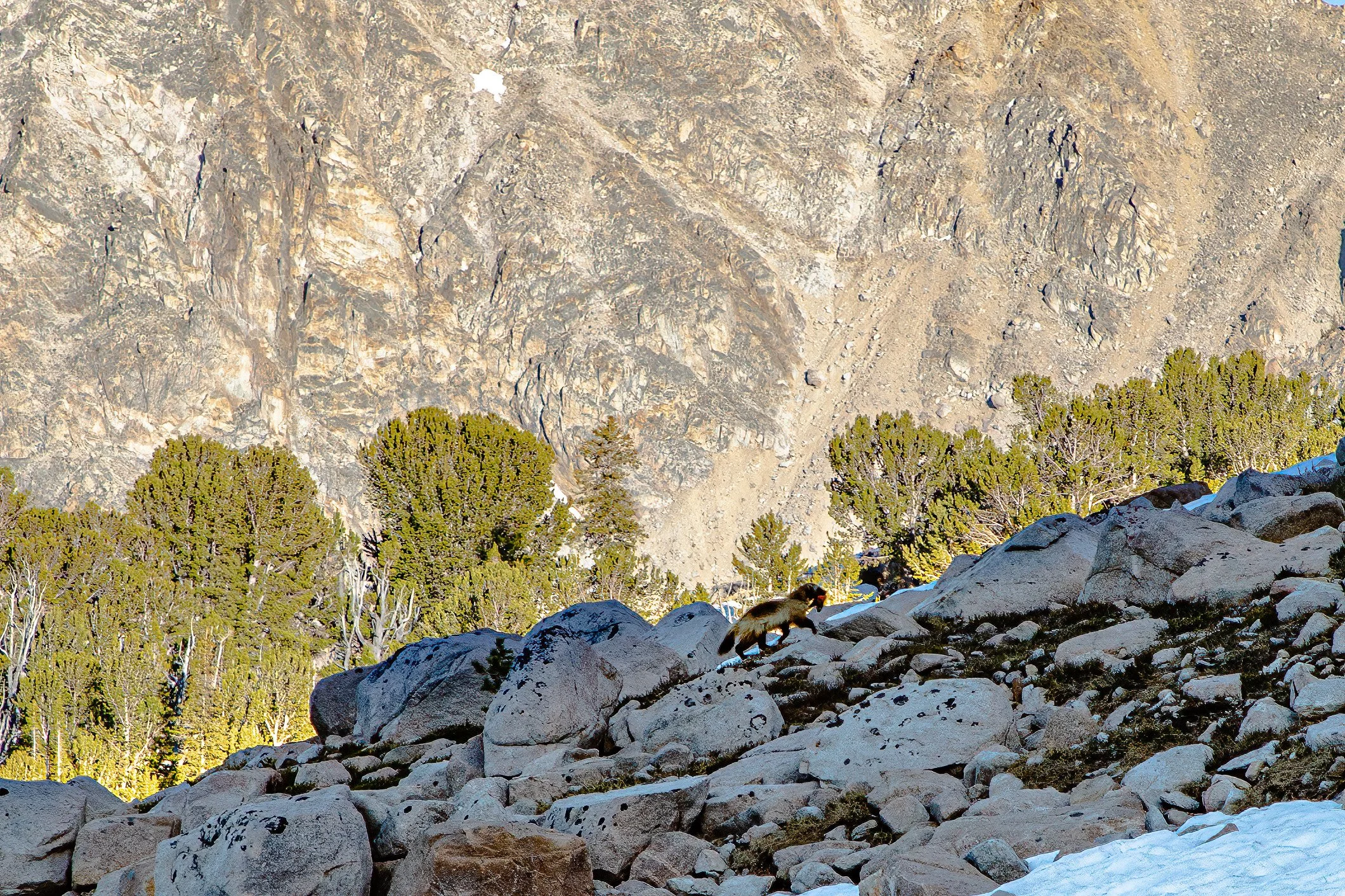
An American wolverine carries its meal. Ed Cannady photo.
Destruction of habitat is the single biggest threat to healthy populations of wildlife. That’s especially true for species that rely on highly-specific habitat types for food resources, breeding or raising young—like wolverines in high alpine terrain with deep winter snowpack. If habitats are compromised or destroyed, the species that depend on them are put at catastrophic risk. A 2019 study concluded that 81% of threatened and endangered species needed protections because of habitat loss and degradation.
Importantly, over 100 million acres have been designated in the U.S. as habitats critical to the recovery of imperiled species. Indeed, Wilson, commonly known as the “father of biodiversity”, recommended setting aside half of the earth’s terrestrial and marine ecosystems to support nature and the basic needs of wildlife. It’s all about the habitat.
Now the very concept of habitat is being turned inside out by the United States Department of the Interior. Last week, the agency determined that destruction of habitat used by threatened or endangered species is now legal and no longer classifies as causing “harm” to that animal. The action essentially takes a veto pen to the highly effective Endangered Species Act (ESA) by removing the all-important principle that a creature’s habitat is connected to its very existence.
Unless reversed, the decision would significantly reduce or eliminate bedrock requirements for developers to analyze potential impacts to ESA-listed species from proposed activities such as timber harvest, mining, dam-building and operations, transportation infrastructure, water management, and other commercial development.
The ruling is out of touch with the most fundamental of conservation biology principles, defies logic, and puts Idaho's threatened wildlife species like salmon and steelhead, lynx and wolverines at much greater risk of extinction.

Endangered Species Act 101
For more than five decades, the Endangered Species Act (ESA) has been the cornerstone of efforts to restore iconic species like the bald eagle and grizzly bear while helping slow the rapid loss of biodiversity across the U.S. Polls consistently show that the ESA has support from 4 in every 5 Americans. Its authors recognized the importance of healthy habitat and wisely worded the legislation to “provide a means whereby the ecosystems upon which endangered species and threatened species depend may be conserved.”
When Congress passed the Act in 1973, it included a “take” prohibition, defined as any action to “harass, harm, pursue, hunt, shoot, wound, kill, trap, capture, or collect, or to attempt to engage in any such conduct.’’ In 1981, the term “harm” was further defined by the U.S. Fish & Wildlife Service (FWS) to include “significant habitat modification or degradation where it actually kills or injures wildlife by significantly impairing essential behavioral patterns, including breeding, feeding or sheltering’’. Later, the National Marine Fisheries Service, which oversees the recovery of aquatic species like Idaho’s Snake River salmon, also applied “harm” to the destruction of spawning, rearing and migration habitats.
Importantly, that regulatory definition has stood since 1995, when the Supreme Court affirmed the idea of habitat-caused “harm” in a 6-3 decision (Babbitt v Sweet Home).
This week’s Interior Department ruling is a dangerous and direct challenge to that finding. It also puts wildlife managers in the scientifically indefensible position of trying to avert extinction of a species without any assurances that its essential habitats will be considered in recovery plans.
Why is the ESA getting gutted?
In addition to his duties as Interior Secretary, Doug Burgum chairs the National Energy Dominance Council, a body recently formed to advise the President on ways to maximize domestic energy production and fast-track permitting. In the DOI’s “final rule” notice, Burgum called habitat considerations for endangered species “unfair restrictions” on resource development and private property rights, and “part of a detailed statutory scheme…(that) stretches the term ‘harm’ beyond its natural meaning.” It’s a dream-come-true scenario for large-scale industrial enterprises run by billionaires.
The DOI also asserts that it is illegal for the FWS to require private parties to “minimize and mitigate” for actions linked to a project that impairs habitat of ESA-listed species. Ironically, in a recent op-ed, Chair of the powerful House Natural Resources Committee, Bruce Westerman (R-AR), stated “wildlife conservation cannot succeed without well-managed habitat and science-based collaboration between governments and private landowners”.
Species recovery plans and designation of critical habitat
The U.S. Fish and Wildlife Service and National Marine Fisheries Service are required to create recovery plans for federally protected species. The plans provide a roadmap for coordinated actions to be taken by those agencies to recover any given ESA-listed species. Important parts of a recovery plan include measurable goals to maintain habitat integrity and location-specific management actions to restore degraded habitat.
The two agencies also designate geographic areas that are essential to recover the species. Areas of “critical habitat” are described and used when other federal agencies want to conduct activities that may impact protected species. Decades of efforts to recover grizzly bears have benefitted from a rigorous recovery plan and designation of critical habitat in four western states.
However, due to the elimination of habitat protections, the new “harm” ruling now threatens to render federal species recovery plans and critical habitat designations almost meaningless. It will make those plans far less scientifically credible and greatly reduce their chances for success.
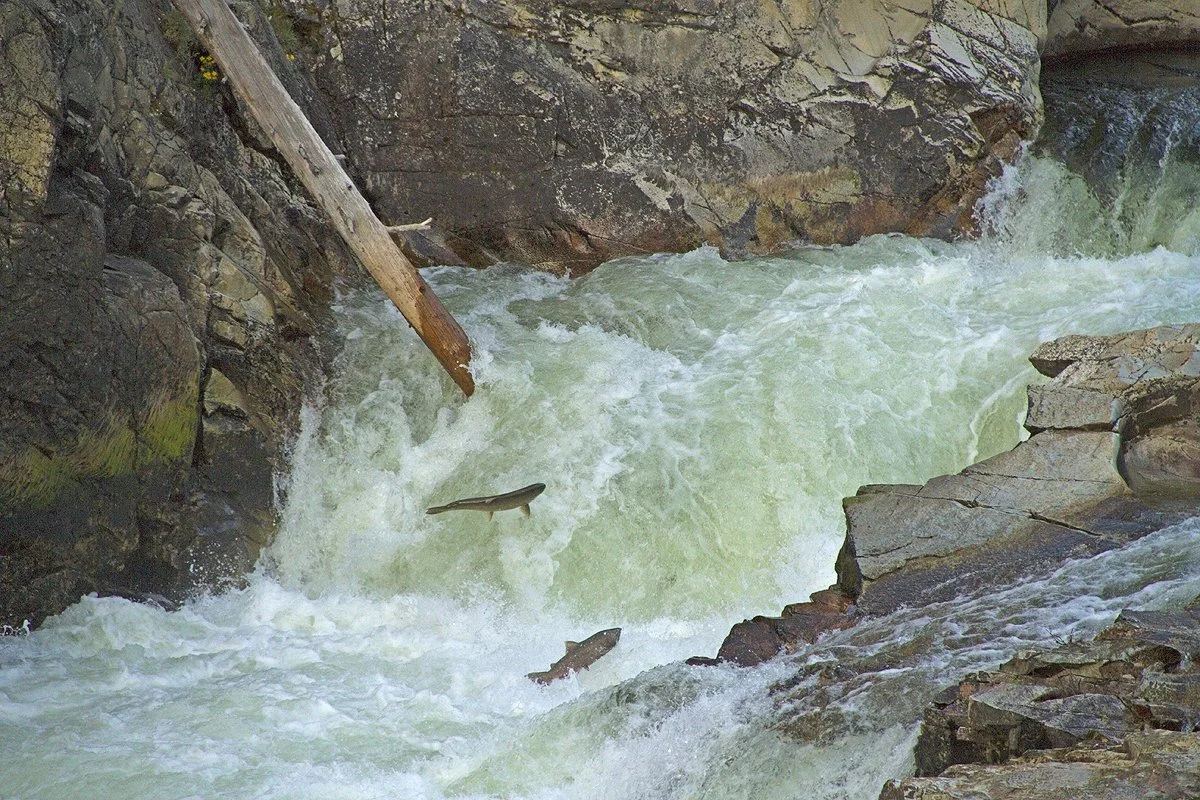
Chinook salmon at Dagger Falls in Idaho. NOAA Fisheries, Enrique Patino photo.
How could a changed definition of “harm” impact wildlife conservation in Idaho?
In Idaho, industry and other stakeholders often take voluntary actions intended to improve conditions for imperiled species like Sage-grouse so that a federal listing might be avoided. However, if habitat quality is no longer a measuring stick for conservation of the birds, good faith initiatives such as Governor Brad Little’s 2021 Greater Sage-Grouse Conservation Plan could now be a thing of the past.
A changed ESA meaning of “harm” could also act to negate or compromise agreements that compel industry to modify their operations to account for needs of ESA-listed species, such as sending water downstream during critical salmon migration seasons to move them more quickly to the ocean and moderate river temperatures.
What’s next
The stakes of this unreasonable and incoherent ruling could not be higher for our country’s imperiled wildlife species. It contradicts the intent of the ESA and the laws of common sense. National conservation organizations and two western Washington tribes have already filed suit. The Idaho Conservation League will closely follow these legal challenges before the ruling takes effect this September. We will also consider any available tool to engage in the fight to reverse this inexcusable and outrageous decision that tips the scales toward extinction of imperiled species. We remain committed to protecting Idaho’s wildlife and the Idaho values that cherish those species.
Don’t let Idaho’s most vulnerable species be put at greater risk. Take action today—tell Congress to defend the Endangered Species Act and help protect the habitat and wildlife that make Idaho extraordinary!