Cleaning Up the Snake River Across Southern Idaho
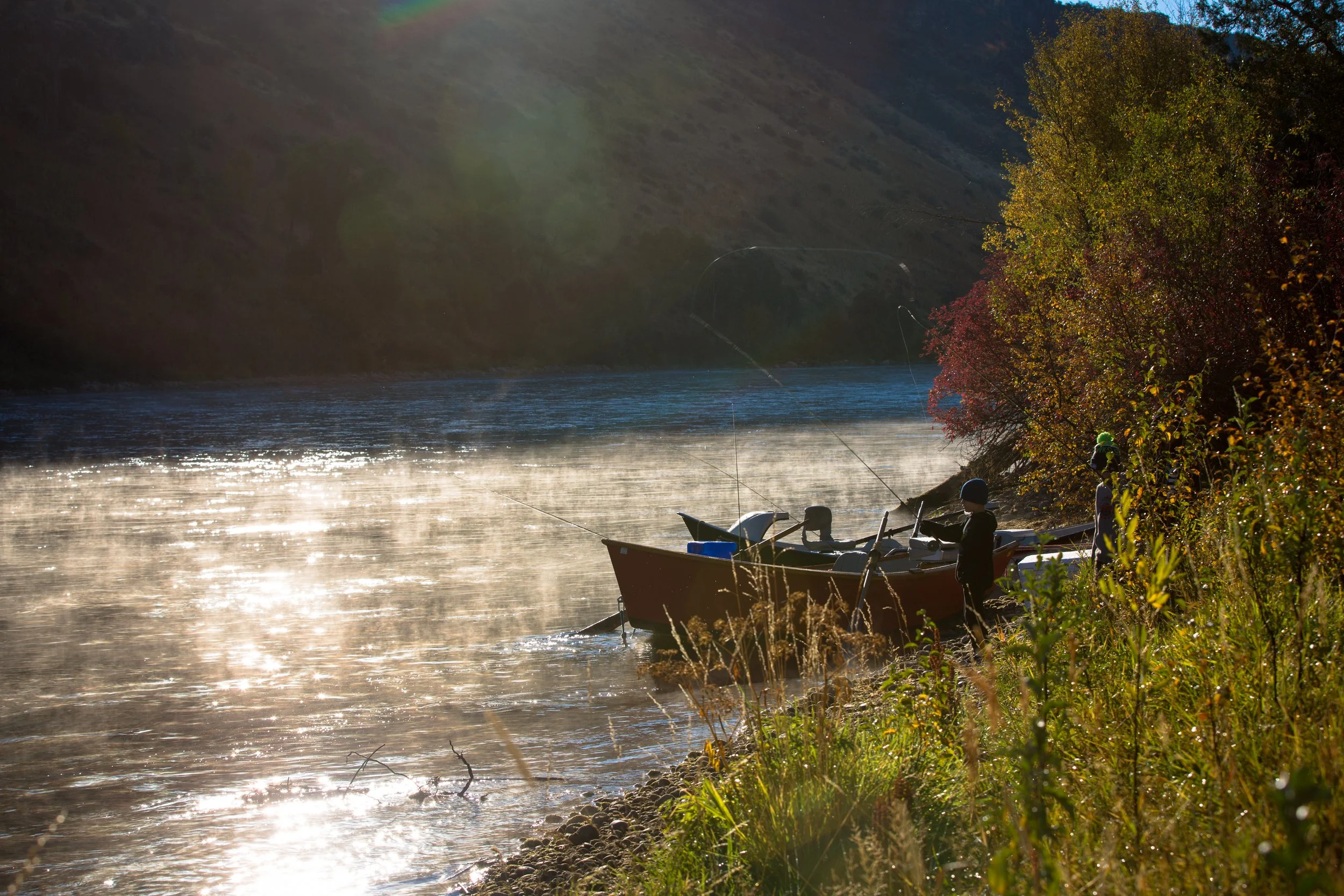
The Snake River is the lifeblood of southern Idaho, from the pristine trout streams of the headwaters to the stunning walls of Hells Canyon.
The Snake River and its aquifer supplies drinking water to hundreds of thousands of people, irrigates crops that feed the world, and provides opportunities for hunting, fishing, and boating. The Snake River and the Eastern Snake Plain Aquifer have helped humans thrive for thousands of years, but it has come at a cost. We cannot ignore the troubling signs: increasing pollution, more outbreaks of toxic algae, and invasive species threaten the Snake River and our ability to rely on it for so much.
The Snake River takes care of us, so we need to take care of it. Our growing population and warming climate will only put more pressure on the Snake River, so let’s work together to reduce the pollution that harms us all.

Our long-term goal is to make the Snake River safe, fishable, and swimmable across southern Idaho and protect the health of the Eastern Snake Plain Aquifer.
In eastern Idaho, the Snake River is a blue-ribbon fishery. As it flows across the southern arc of the state, the river picks up so much pollution that by the time it reaches Idaho’s western border, it is so contaminated that the State of Idaho periodically warns people to not swim or let their pets swim in certain areas.
ICL is working to restore the Snake River by holding polluters responsible, reducing unregulated pollution, and connecting Idahoans who love the Snake to the people who manage it to voice shared concerns.

What’s Wrong with the Snake?
Experts divide water management into two categories: quality (how clean is the river?) and quantity (how much water is in the river?). While these categories may make things simpler from a management perspective, they don’t reflect the reality that everything about water is connected. The Snake River is a great example of how water quality and quantity are linked and need to be simultaneously addressed to restore the river to a better condition.
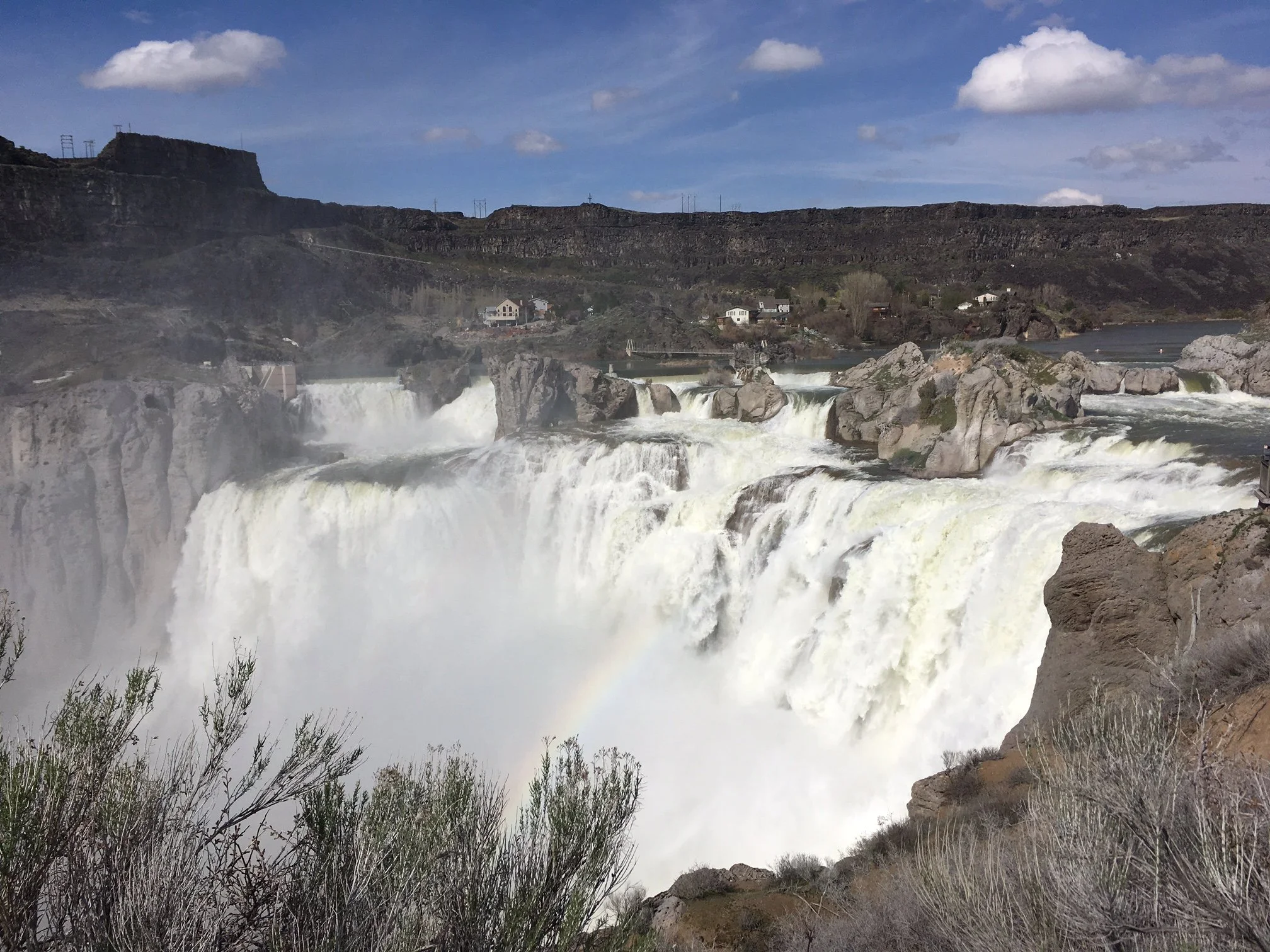
The state of Idaho manages the Snake as “two rivers.” The upper Snake is upstream of Milner Dam (located between Twin Falls and Burley in south-central Idaho) and the lower Snake is everything downstream of Milner. This two rivers policy allows for the Snake to literally dry up at Milner Dam. Let that sink in for a minute. The mightiest river in Idaho, and one of the largest rivers in North America, is purposefully dried up every year. Why?
In short, it’s an attempt to satisfy all the water rights that are issued out of the Snake and across the Eastern Snake Plain. More than 80% of these rights are for irrigated agriculture. Spoiler alert: more water rights are issued for water than a typical year provides water for — a situation known as overallocation.

“Dilution is the Solution to Pollution”—Until There’s No River
All along the Snake River, local communities, industries, and people discharge their treated sewage and wastewater into the Snake, relying on the river’s flows to mix with their treated pollution. You may have heard this concept simplified as “dilution is the solution to pollution.” However, when the necessary flows aren’t there, all these discharges contaminate the river. Meanwhile, to try to prevent further contamination, communities (ie., taxpayers) upgrade their wastewater treatment plants to the tune of tens of millions of dollars.
As long as Idaho law and rules allow water quality and water quantity to be governed separately, the never-ending cycle of overallocated water, pollution discharge, and upgrades for wastewater treatments will continue.

Invasive Quagga Mussels
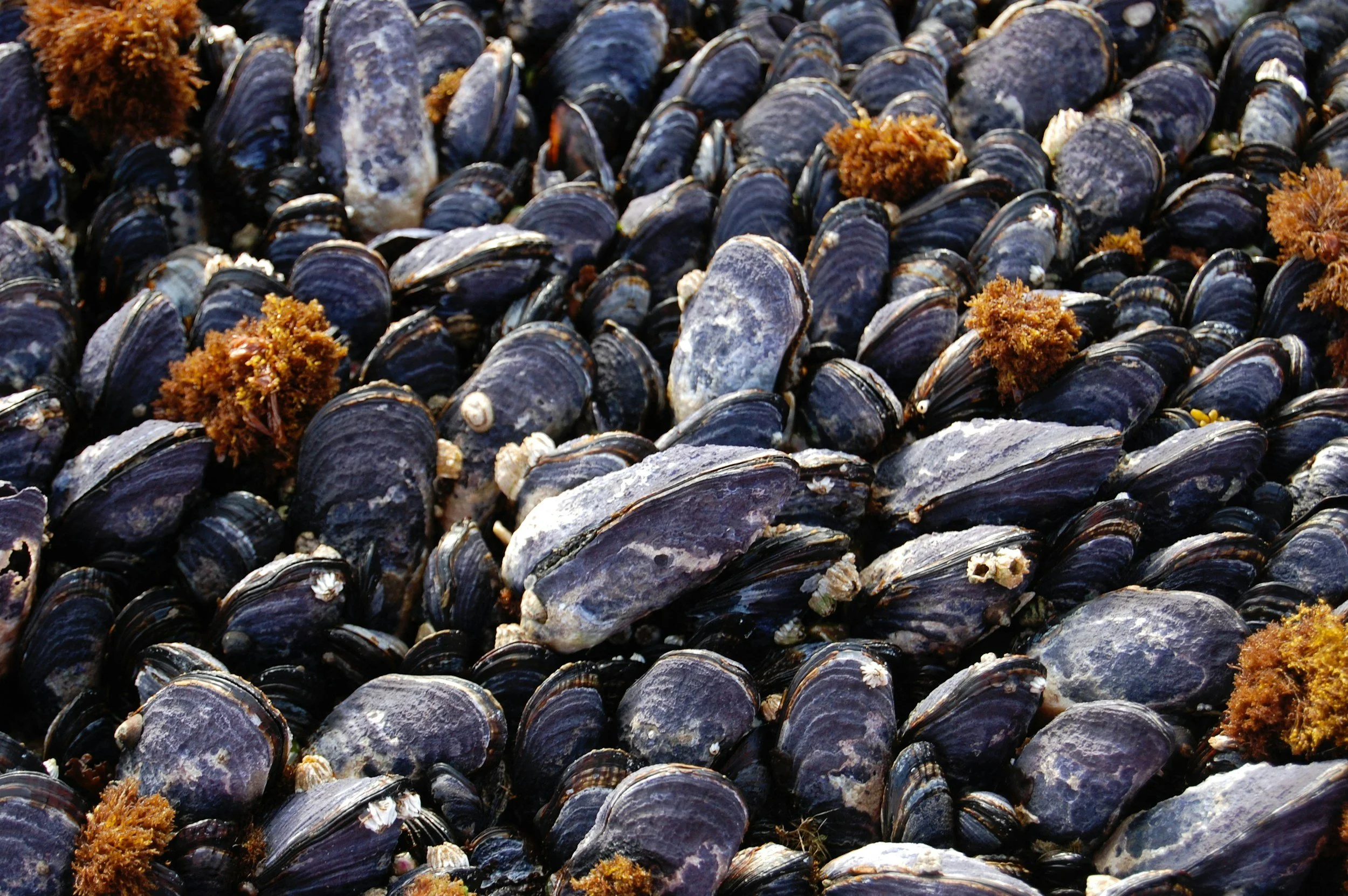
The most noteworthy, and potentially damaging, invasive species threat to the Mid-Snake River currently are quagga mussels. These mussels, if they were to become established in the Snake River watershed, would cause wholesale disruption by:
Disrupting food webs and crowding out native species
Improving water clarity at the cost of stimulating nuisance aquatic plant growth that can crowd out other species
Worsening toxic algae problems through selective feeding of non-toxic algae
Bioaccumulating pollutants up the food chain (up to 300,000 times the concentrations found in the surrounding water)
Quaggas were initially detected in the Snake River near Twin Falls in September 2023 during routine monitoring conducted by the Idaho State Department of Agriculture (ISDA). Additional quagga veligers (larval stage) were subsequently discovered during follow-up monitoring in September 2024 and September 2025. In response to these multiple detections, there has been a significant multi-agency effort led by ISDA to eradicate the quaggas before they can become fully established in the Snake River by using multiple applications of a copper-based molluscicide in the potentially infested area. This was an unprecedented response; no quagga eradication effort had ever been attempted at this scale in a free-flowing body of water. The ultimate outcome of these eradication efforts remains to be seen; ISDA will be continuing to monitor the Snake River for quaggas later in 2026 and for years to come.
The aggressive eradication efforts attempted by ISDA have had significant short-term environmental consequences for the river (though these still pale in comparison to the long-term consequences if quaggas were to become established). The high copper concentrations in the river for that extended period of time were necessary to ensure that all adult quagga mussels would be killed, but it was also extremely toxic to other forms of aquatic life in the river.
ICL continues to monitor this situation carefully to ensure that the long-term outcome is what’s best for the environment given the circumstances.
ICL’s 2026 State of the Snake Report
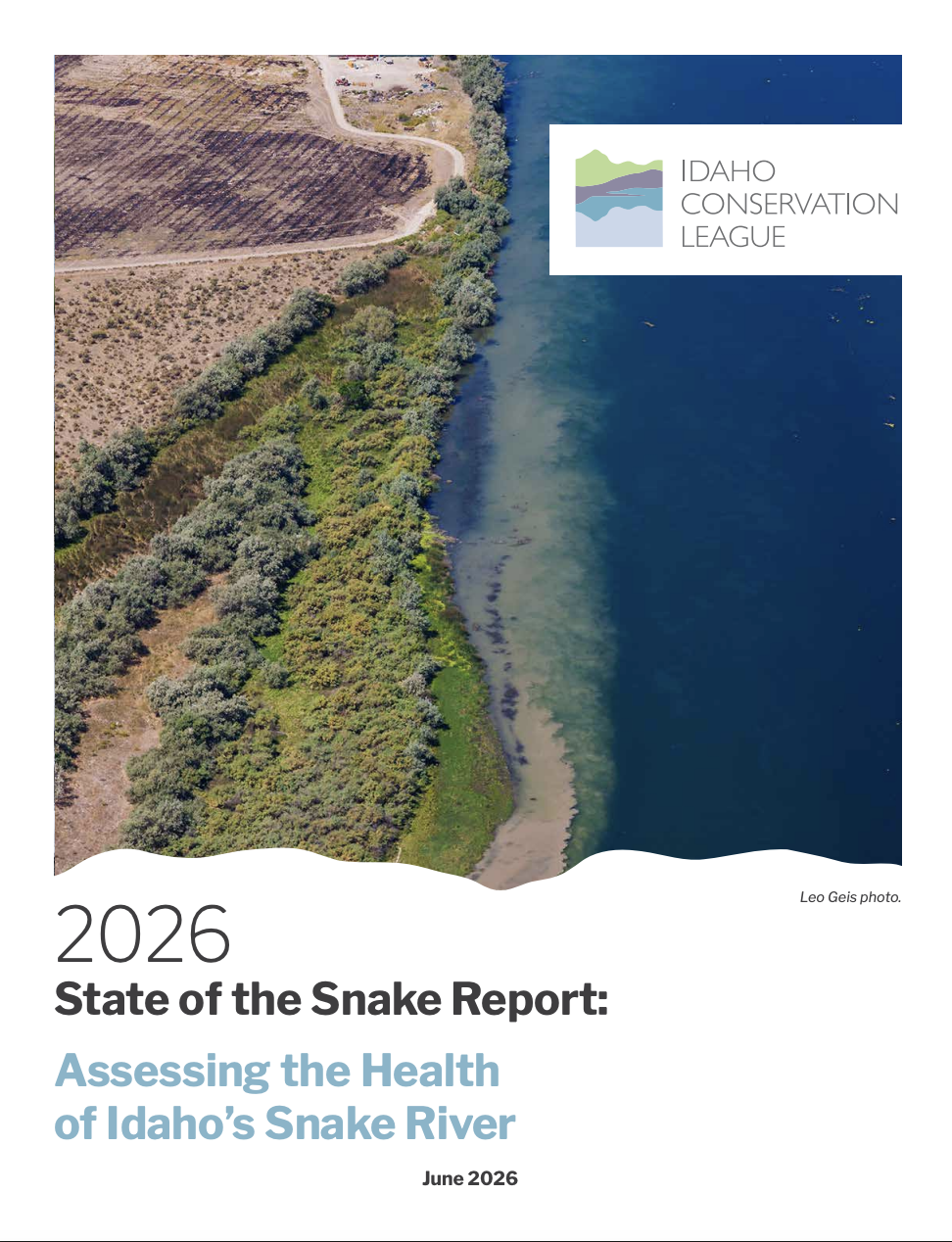
In 2026, ICL released its first-ever State of the Snake Report: Assessing the Health of Idaho’s Snake River to provide a clear understanding of the most pressing water quality challenges facing this vital resource.
The report delves into how those challenges impact the health of the people, fish, and wildlife that rely on the river and offers recommendations and practical, achievable steps for improving the environmental health of the Snake River.
The recommendations outlined in this report provide a roadmap for accelerating the transition to a healthier Snake River—from laying the groundwork for a watershed-scale restoration initiative, to targeting pollution reductions where they will have the greatest impact, to strengthening invasive species prevention and investing in proactive toxic algae monitoring.
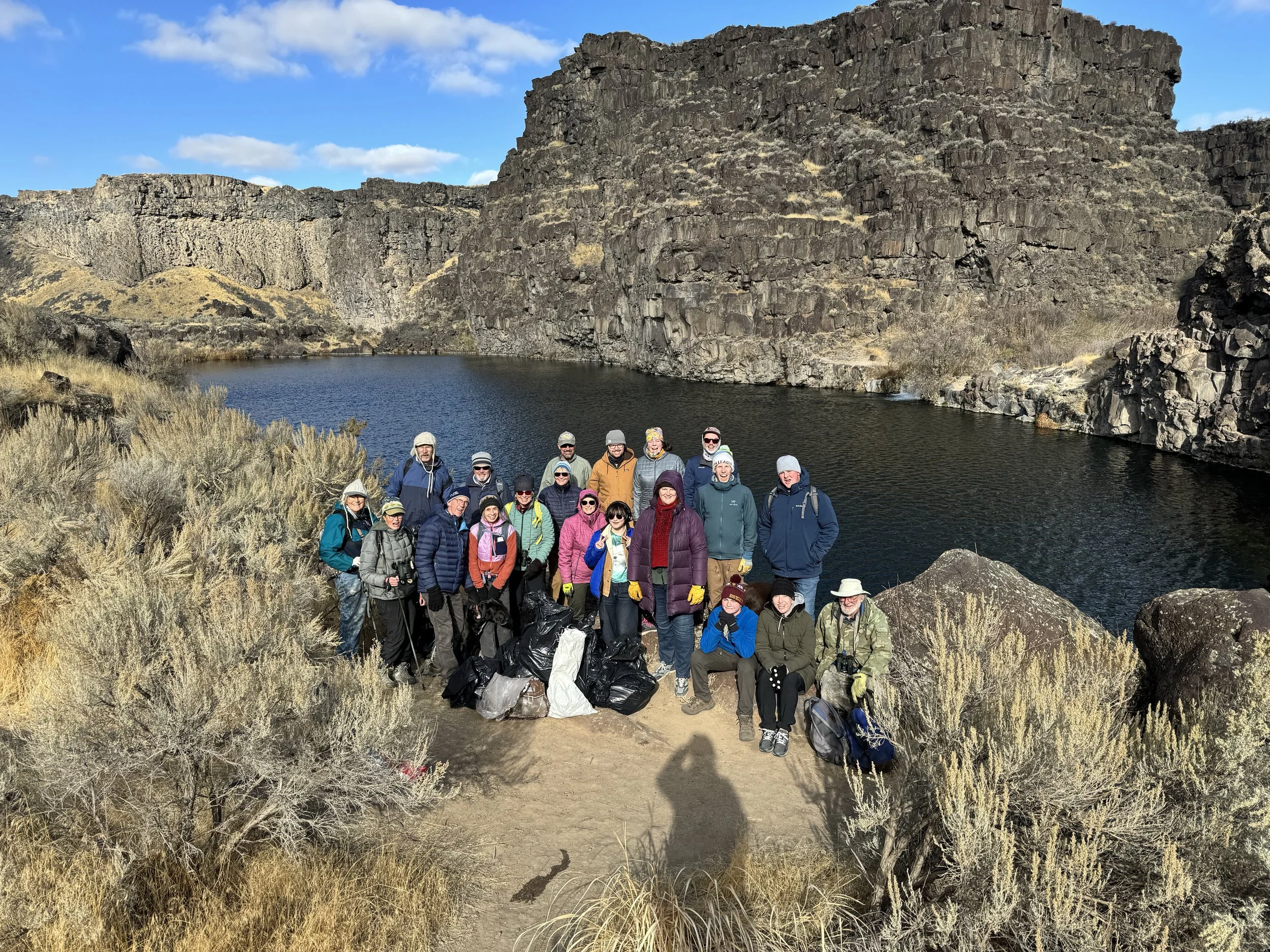
Restoring the Snake
ICL recognizes the important role of the Snake River in the life and livelihoods of Idahoans. It is absolutely integral to Idaho’s economy for the predominant agricultural and industrial needs but also for recreation and community livability. We recognize that while the agricultural sector is the source of much of the pollution entering the Snake, Idaho’s farmers can be some of the strongest advocates for caring for the land and water.
ICL’s Snake River campaign is a multi-pronged approach that centers around connecting people and communities to the river in an effort to protect it into the future. We are talking with Idahoans who love the Snake and connecting them with the people who manage it. Together, we will raise our concerns to local, state, and federal policymakers and seek legislative solutions. We will hold polluters responsible for their share of the problem while also seeking out innovative ‘win-win’ solutions that benefit both the river and farmers alike. We will make it possible for future generations of Idahoans to continue to thrive because of the Snake — in a way people have for as long as people have inhabited Idaho.
Together, we will restore the Snake River in Idaho.