
Safeguarding North Idaho Lakes & Waters
The great lakes of North Idaho are scenic wonders, priceless economic assets, and the foundation of our way of life. As Idaho grows its economy and attracts an unprecedented population boom, we cannot take clean water for granted. We want our children to enjoy swimming, fishing, and boating as we do, so we must not let those waters become degraded by pollution, invasive species, toxic algae outbreaks, and poorly planned development. It’s our shared responsibility to leave our lakes, streams, and wetlands in better condition than we found them, so Idahoans can enjoy them for generations to come.
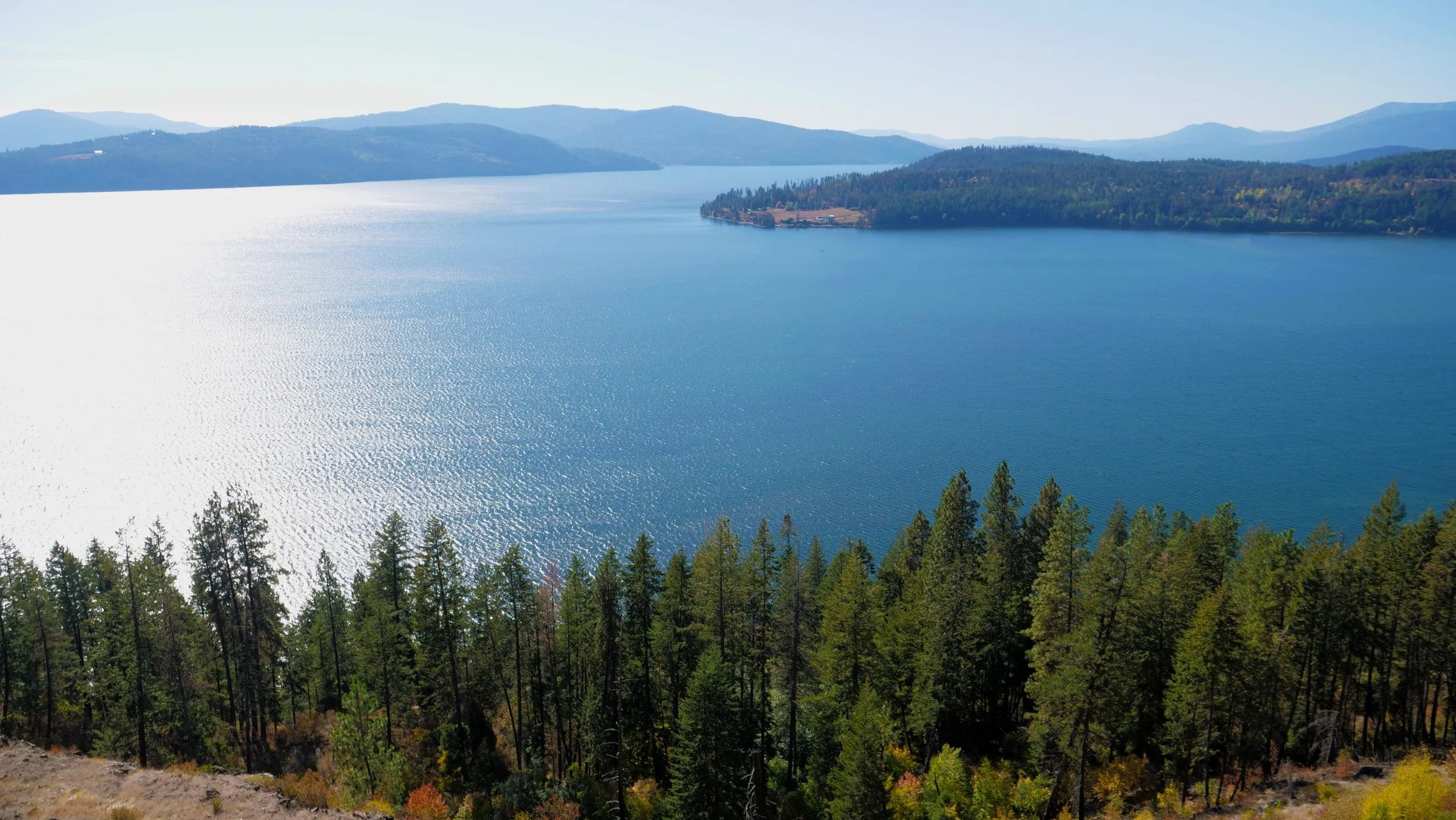
Our long-term goal is to restore and protect North Idaho lakes and waters, conserve the native biodiversity that depends on them, and ensure they remain swimmable, fishable, and safe.
The desire for Idahoans and visitors to be near and recreate in our water has resulted in expansive population growth. This development threatens to destroy nearshore areas and wetlands. Our infrastructure is outdated and our regulatory framework is inadequate to appropriate handle these impacts. Also, neither adequately addresses historic and ongoing mining pollution. If we do not act, the beauty and health of these waters will be lost.
ICL works to protect the waters of North Idaho from degradation, pollution, and inadequate land use regulation while advocating for policies that safeguard them.
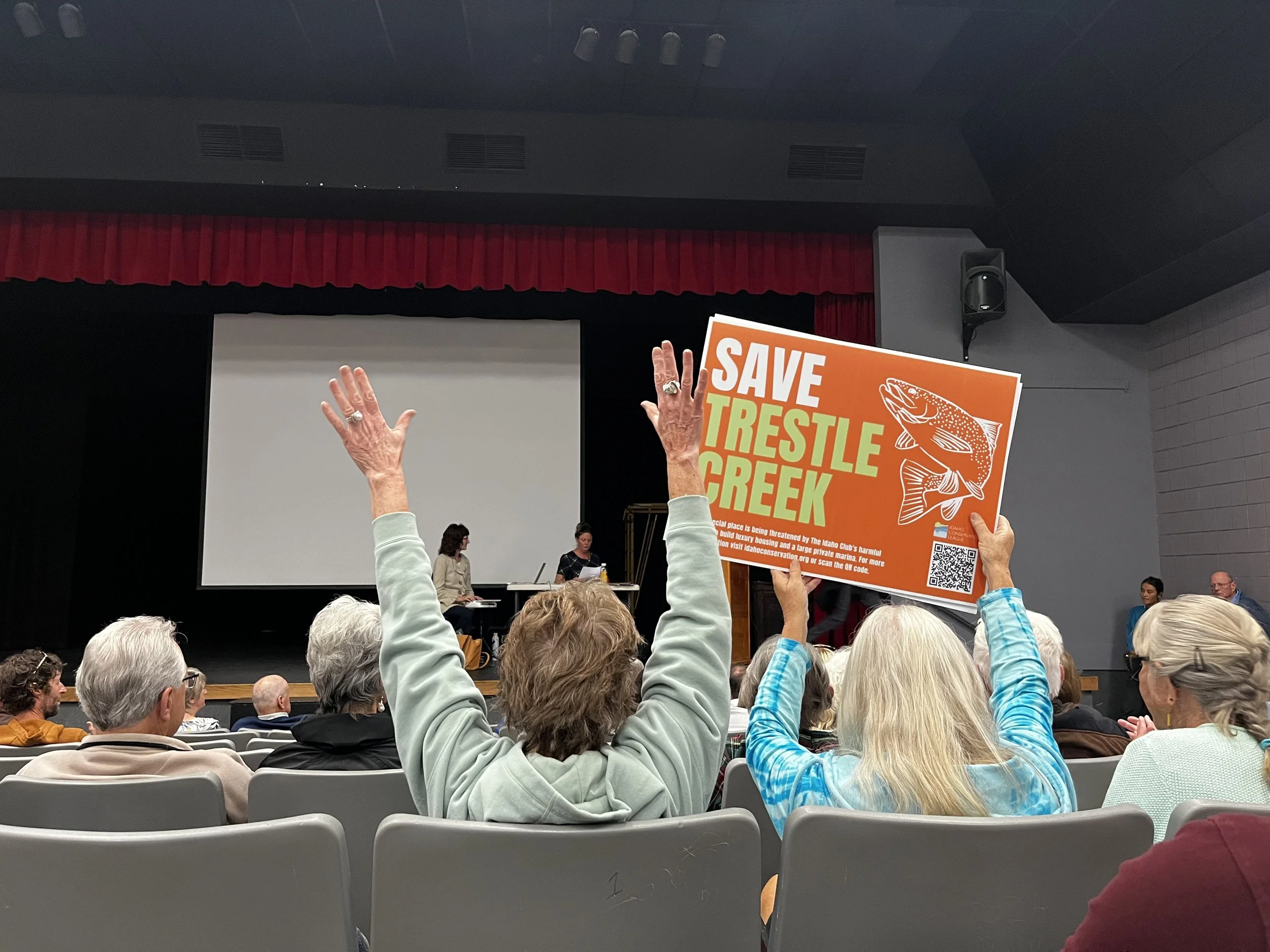
Preventing Irresponsible Development
Across North Idaho, sensitive waterways like Trestle Creek, Boyer Slough, Lake Pend Oreille, the Coolin wetlands, Priest Lake, and Lake Coeur d’Alene face growing pressure from poorly planned or excessive development. This development threatens wetlands, shoreline habitat, water quality, and the cultural lifeways of Tribal Nations. Our work focuses on ensuring that land-use decisions respect ecological limits, protect water quality, and protect the character of our region.
We participate directly in county, state, and federal processes—from local comprehensive planning to Army Corps permit reviews—to safeguard wetlands and prevent harmful shoreline development. We also closely evaluate individual development proposals, challenging those that put water quality and habitat at risk.
Working with Tribes, community partners, government agencies and others, we advocate for policies that are grounded in science, and land-use decisions that reflect shared conservation values. Through watchdogging, collaboration, and—when necessary—litigation, we ensure development in our region is responsible, sustainable, and protective of the waters that define North Idaho.
Defending Waters from Mining Pollution
Mining—both historic and modern—continues to threaten rivers, fisheries, and communities. From selenium contamination in the Elk-Kootenai Watershed, to legacy pollution in the Silver Valley above Lake Coeur d’Alene, we work to hold mining companies accountable and ensure upstream industries do not adversely degrade Idaho’s waters.
In the Silver Valley, we are working to ensure that today’s hard-rock mining operations meet the highest environmental and public-health standards. We monitor permits, compliance records, and re-opening efforts for mines such as Galena, Lucky Friday and Bunker Hill, pushing for rigorous oversight and up-to-date pollution controls. We also investigate unpermitted or poorly regulated activity and advocate for enforcement when violations occur.
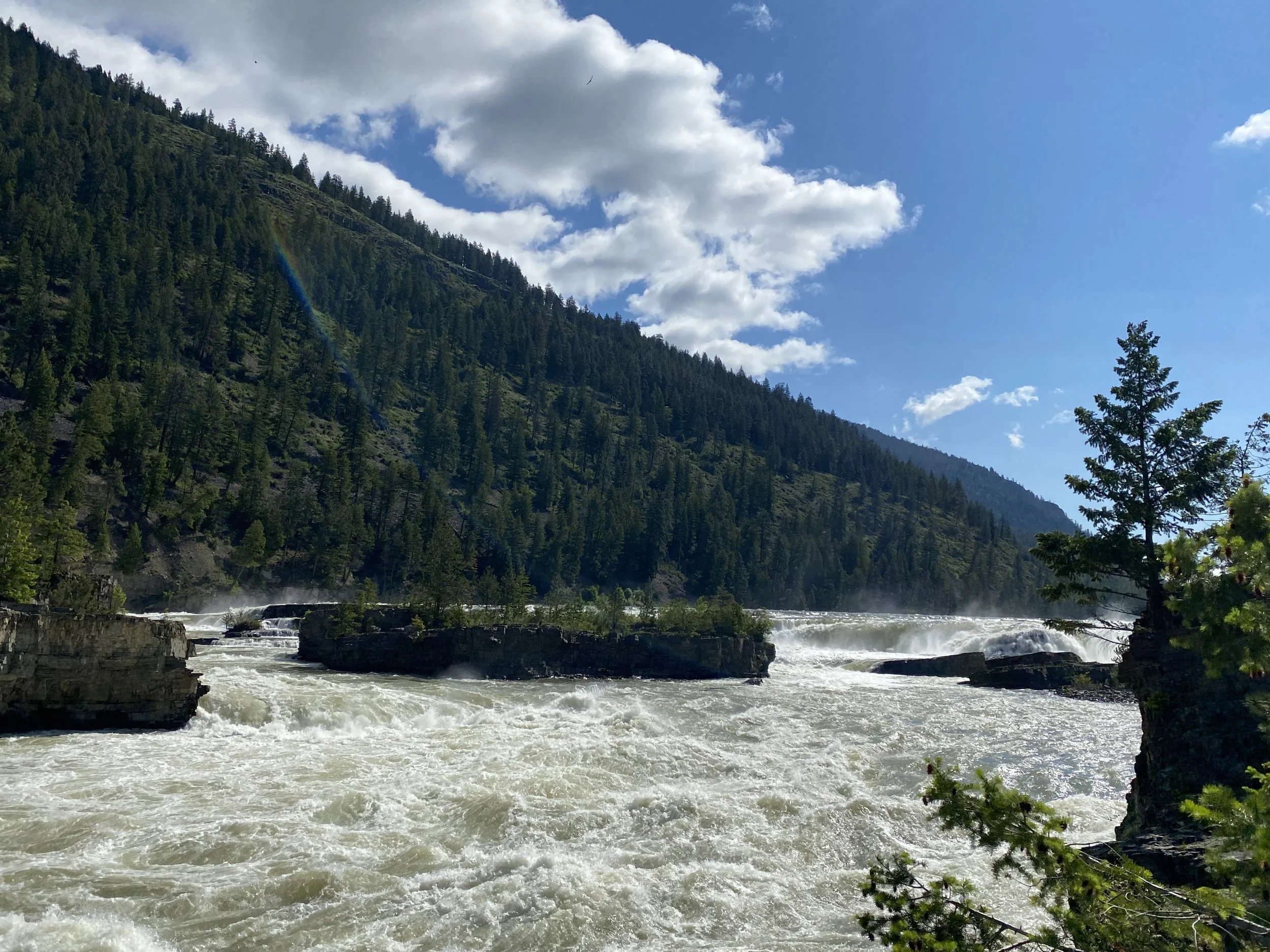
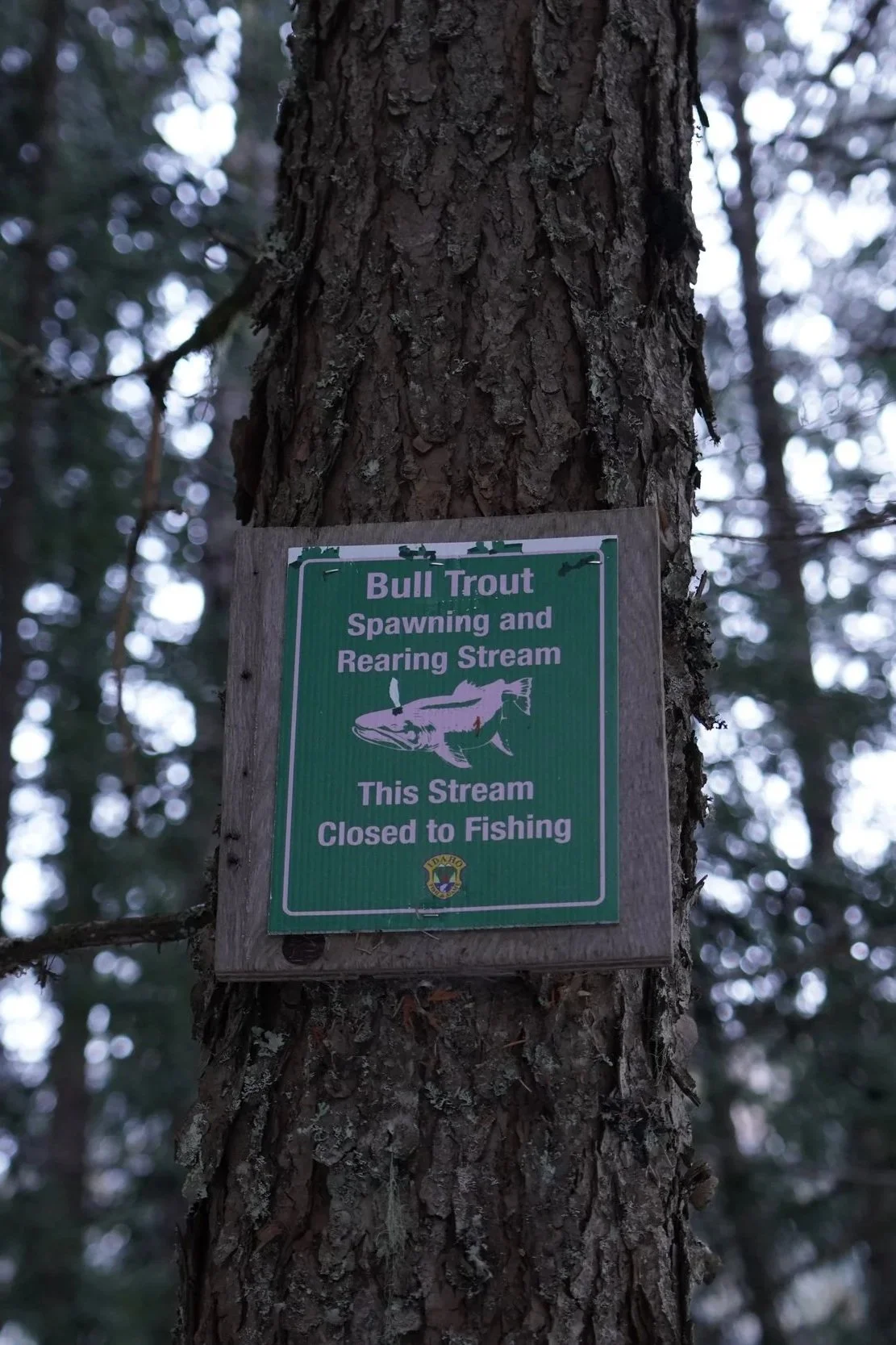
The transboundary Elk–Kootenai river is impacted by Glencore’s mountaintop removal coal mines in British Columbia, which cause pollution that flows into Montana and then Idaho. Selenium and other contaminants from five coal mines threaten native fish, cultural resources, and downstream communities. The International Joint Commission, which includes representatives from the United States and Canada, is working to address this problem. ICL serves on the Public Advisory Group for this Commission, and also works closely with the Kootenai Transboundary Coalition to advocate for accountability and solutions. We oppose new and expanded coal mines—including the Castle Mountain expansion of the Fording River Mine—in this already polluted watershed.
Protecting Water Quality
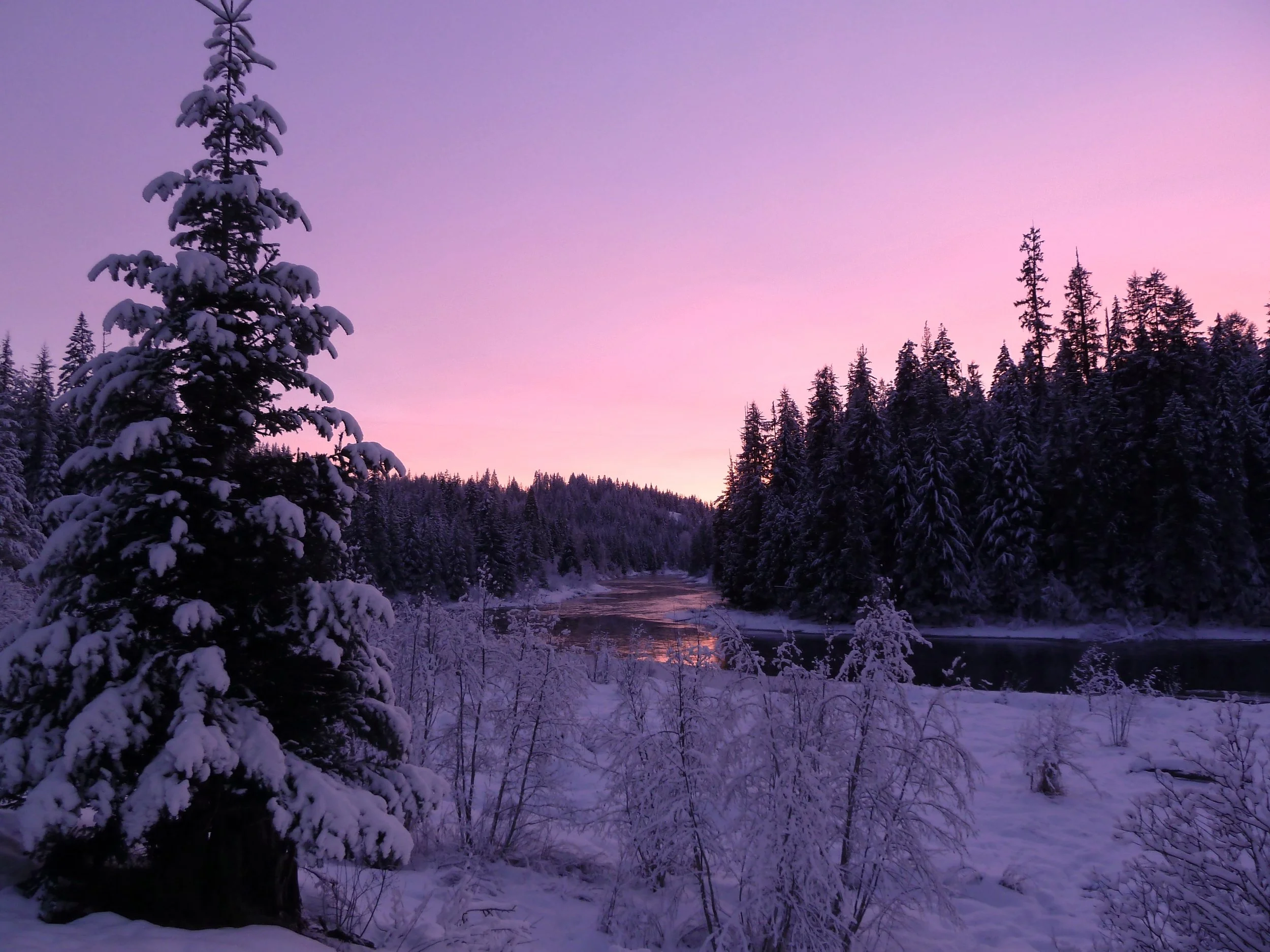
Outdated sewer treatment systems, insufficient regulation, and escalating nutrient pollution remain some of the most serious threats to rivers and lakes across the region. We work to ensure pollution discharge permits are updated and appropriately protective of water quality —and that sewer systems meet their pollution discharge limits. As we monitor compliance with pollution limits, we intervene when facilities fall short of legal requirements. We highlight violations, encourage system upgrades as well as funding for needed improvements, and advocate for solutions that reduce sewage impacts.
ICL also works to strengthen watershed health by participating with the Priest River Watershed Group to advance on-the-ground solutions that improve water temperature, flow, and habitat resilience. At the state level, we advocate for modernized pesticide regulations that provide stronger protections for drinking-water sources and swimming areas. And throughout the region, we engage directly with the public to help residents reduce their contribution to polluted stormwater runoff. By empowering communities with practical knowledge, we’re building a stronger culture of water stewardship across North Idaho.
Science That Protects Our Watershed
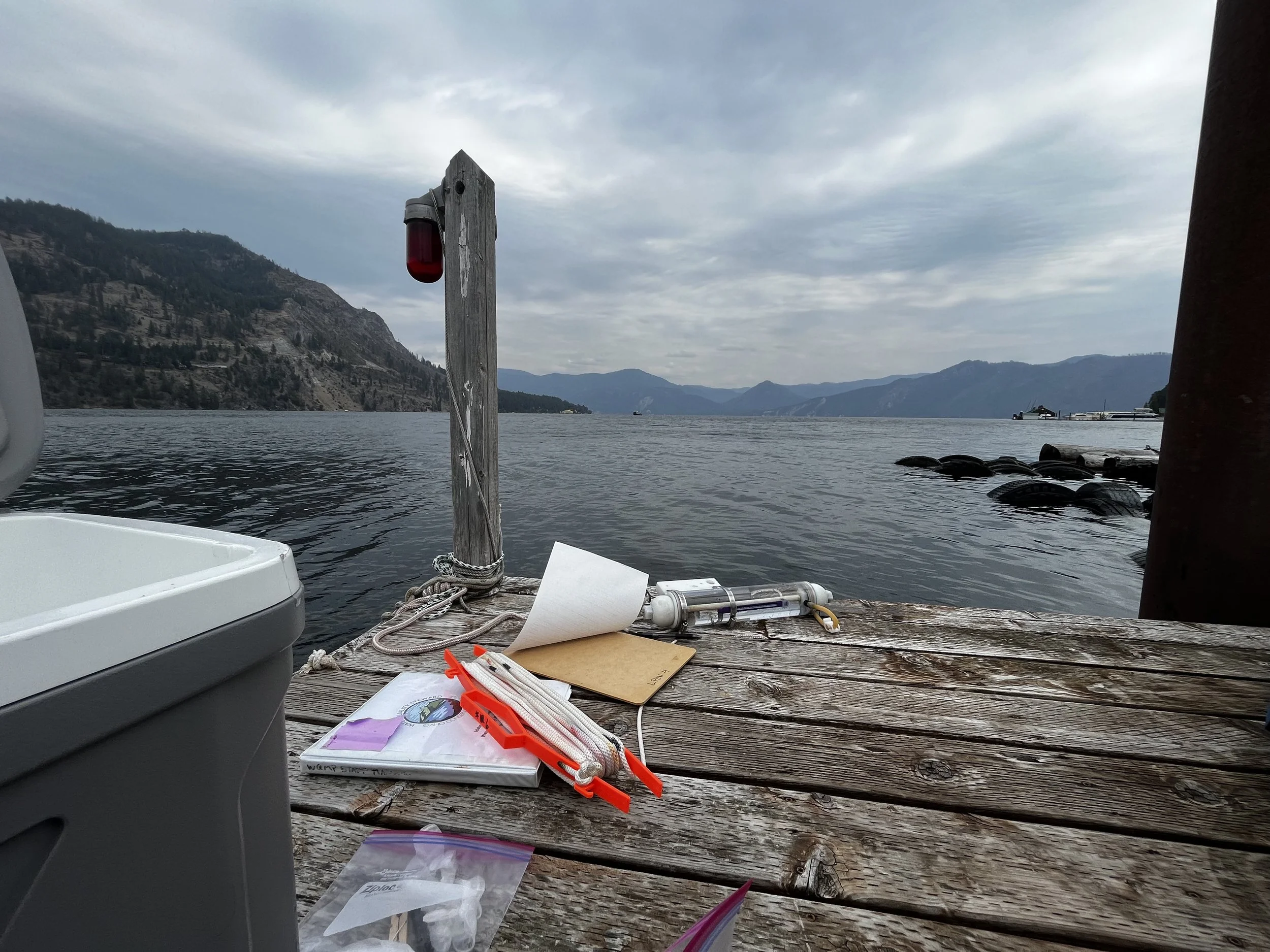
Healthy waterways depend on strong science. To protect Lake Pend Oreille and the Pend Oreille River, we lead a rigorous, long-term water quality monitoring program designed to illuminate trends, identify emerging problems, and provide credible evidence that informs policy. Our goal is simple: ensure that decisions affecting this watershed are grounded in reliable, high-quality science.
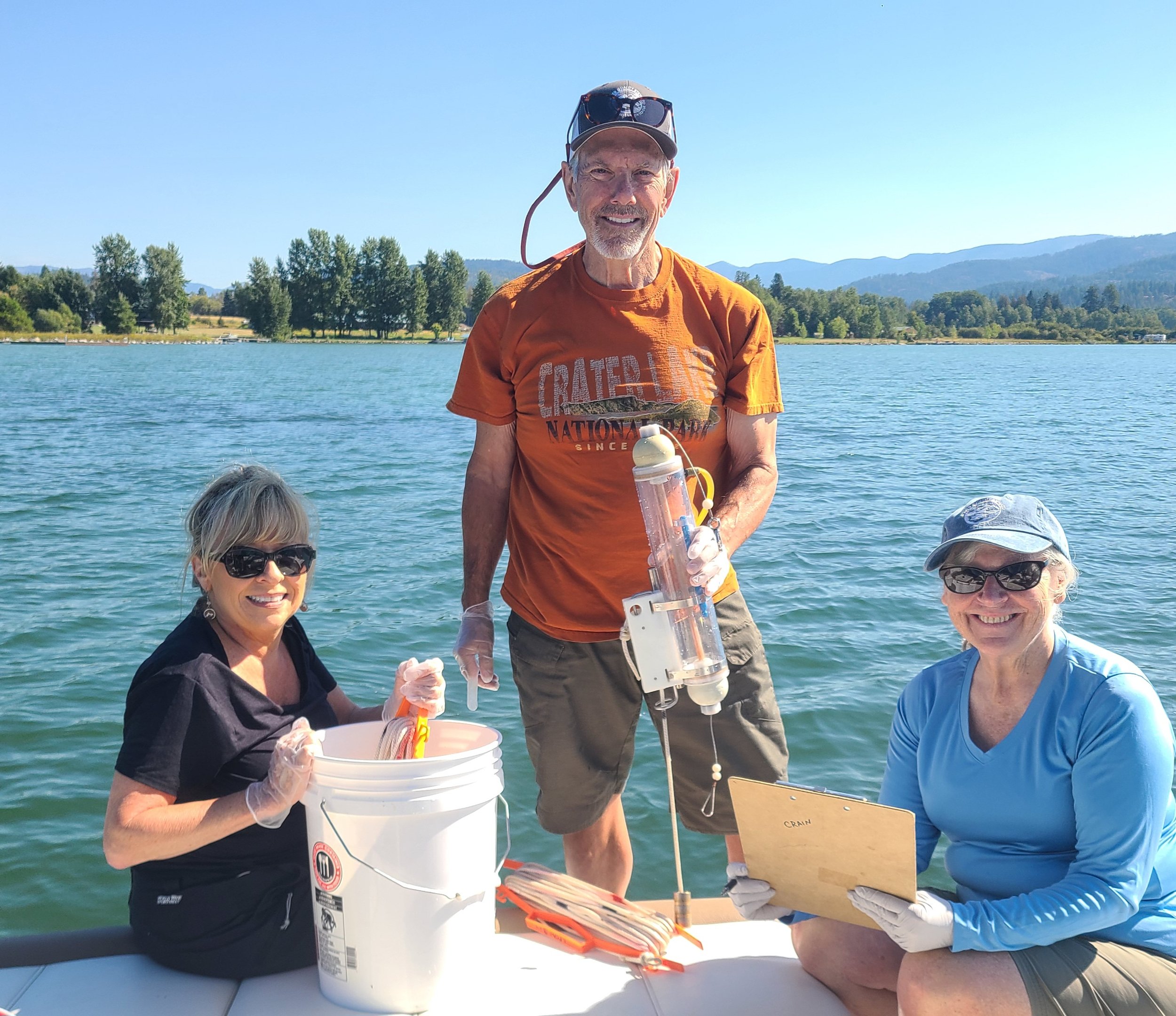
Each year from June through September, volunteer water stewards collect water quality samples at 13 sites across the lake and river. These citizen scientists adhere to strict quality assurance standards so our data is consistent, accurate, and defensible. With each field season, we continue to grow and strengthen the dataset.
Collaboration is central to the success of this program. Not only do we rely on the consistent support of our amazing water stewards, we work closely with partners including Idaho Department of Environmental Quality, the University of Idaho, and the Kalispel Tribe.
The data we gather not only supports science-based management but also strengthens our advocacy. When we speak up for stronger protections, cleaner water, or better planning, we do so with solid evidence in hand—ensuring that our voice carries weight with decision-makers.
Help protect the iconic lakes, rivers, and waterways of North Idaho by becoming an ICL Water Quality Steward! Sign up here to receive more information.
