

Protecting Idaho’s Public Lands
Idaho’s public lands—and the clean water flowing from them—are the foundation of Idaho’s unique way of life and Idaho’s economy. We live in Idaho for the freedom of enjoying those wild lands—and the chance to pass this heritage on to our families.
But we cannot take our public lands for granted. Some out-of-touch politicians still seek to privatize our public lands and sell them off to the highest bidder. Inappropriate development, unbalanced use, and outright abuse will destroy the natural setting that makes Idaho special. Droughts, fires, and floods are becoming more bottom and call for more watershed and forest restoration efforts.
Idaho’s public lands are vast enough to support many uses long into the future, and can continue to drive economic prosperity—but only if we think ahead and work together as Idaho grows. We need to bring Idahoans together to make sure our voices are heard, and pound out practical solutions that respect all users, future generations, and the fish and wildlife that cannot speak for themselves.

Our long-term goal is functioning forests, rangelands, and watersheds that sustain native biodiversity and our quality of life, while offering opportunities for multiple uses.
ICL works hard to keep Idaho’s public lands in public hands. We participate in collaborative projects across the state to help develop and implement policies that restore and sustain Idaho’s public lands while laying the groundwork for permanent protective designations. Our focus is protecting public lands for future generations and the native plants, fish, and wildlife that depend on them.
Ed Cannady photo.
Public lands work best when the public is involved. These places—our forests, rangelands, rivers, and mountains—belong to all Idahoans. They connect us, no matter where we live or what we do. While Idahoans may agree about how these lands should be managed, we share a deep appreciation for the freedom, beauty, and opportunity they provide. Because they are public, we all have a voice in how they’re cared for.
The Idaho Conservation League works to ensure these lands remain in public hands—not sold off to private interests. When proposals have emerged in Congress to transfer or sell federal public lands, ICL has worked directly with Idaho’s congressional delegation and thousands of Idahoans to make sure those efforts are stopped. Together, we’ve succeeded.
Across Idaho, people from all walks of life—hunters, anglers, ranchers, recreationists, and conservationists—agree: our public lands are part of who we are. By listening to one another, finding common ground, and standing up for our shared heritage, we’re helping to keep Idaho’s public lands in public hands—today and for generations to come.
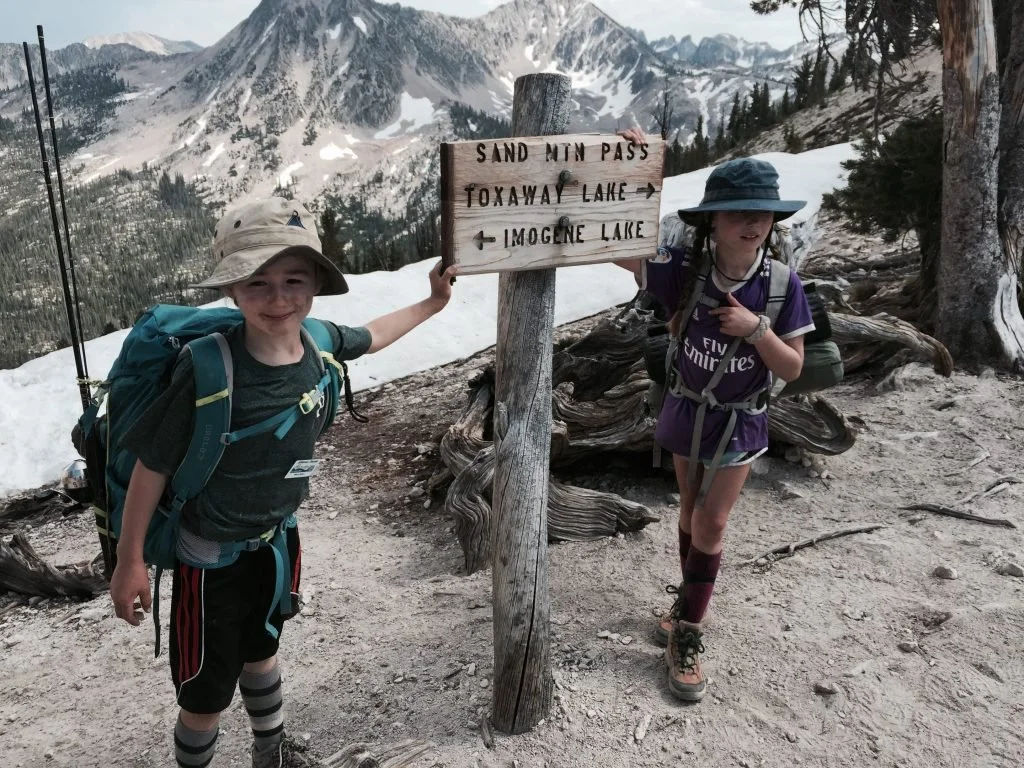
Keeping Public Lands in Public Hands

Ed Cannady photo.
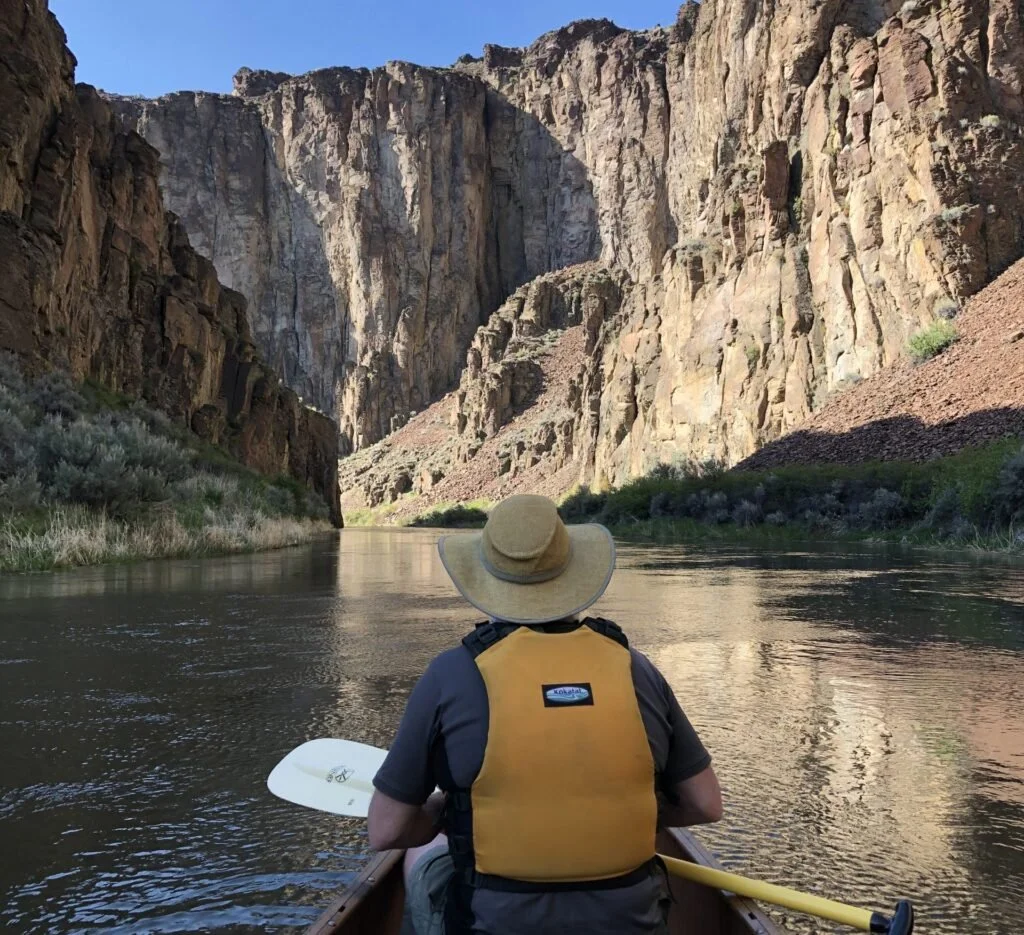
Protecting Idaho’s Wilderness and Wild and Scenic Rivers
Thanks to Idahoans working together, many of our most stunning landscapes are protected as wilderness or as wild and scenic rivers by Congress. The Wilderness Act of 1964 established the gold standard for preserving America’s public lands. Wilderness areas are managed to remain natural, untrammeled, and undeveloped—places where people can experience solitude and primitive recreation. These lands are open to hunting, fishing, hiking, berry picking, camping, horseback riding, and paddling, but closed to motorized and mechanized vehicles and industrial activities such as mining and timber harvest that would diminish their wild character. The 1968 Wild and Scenic Rivers Act was passed to protect free-flowing rivers that possess outstandingly remarkable scenic, recreational, or other similar values for the benefit and enjoyment of present and future generations.
ICL has a proud legacy of wilderness and wild and scenic river advocacy. We helped secure protections for the Frank Church-River of No Return, Owyhee Canyonlands, the Boulder-White Clouds wilderness areas and the Main Salmon River and Jarbidge-Bruneau Rivers.
Today, we’re building on that legacy in North Idaho through the Idaho Panhandle Public Lands Initiative, which seeks to expand the Salmo-Priest Wilderness and establish new wilderness designations in the Selkirk Mountains and Scotchman Peaks. Working with local communities, Tribes, and partners, we’re striving to protect these wild places so future generations can experience the same unspoiled Idaho we know and love today.
There are still hundreds of thousands of acres of BLM Wilderness Study Areas, Forest Service Recommended Wilderness, and thousands of miles of eligible Wild and Scenic Rivers in Idaho that are worthy of designation but are waiting to be reviewed by Congress. We work to protect these wild places and support permanent congressional designations.

Forest Management
There are more than 20 million acres of national forest lands in Idaho. These public lands provide opportunities for recreation, habitat for fish and wildlife, and clean water. But decades of fire suppression, poor past management practices and hotter temperatures from climate change have left our forests and watersheds vulnerable to uncharacteristic wildfires. At the same time, new home construction in high-risk fire areas has put communities at risk. ICL works with collaborative partners across Idaho to develop projects that reduce hazardous fuels, improve forest health, restore habitat for fish and wildlife, enhance recreation opportunities and support a sustainable forest products industry.
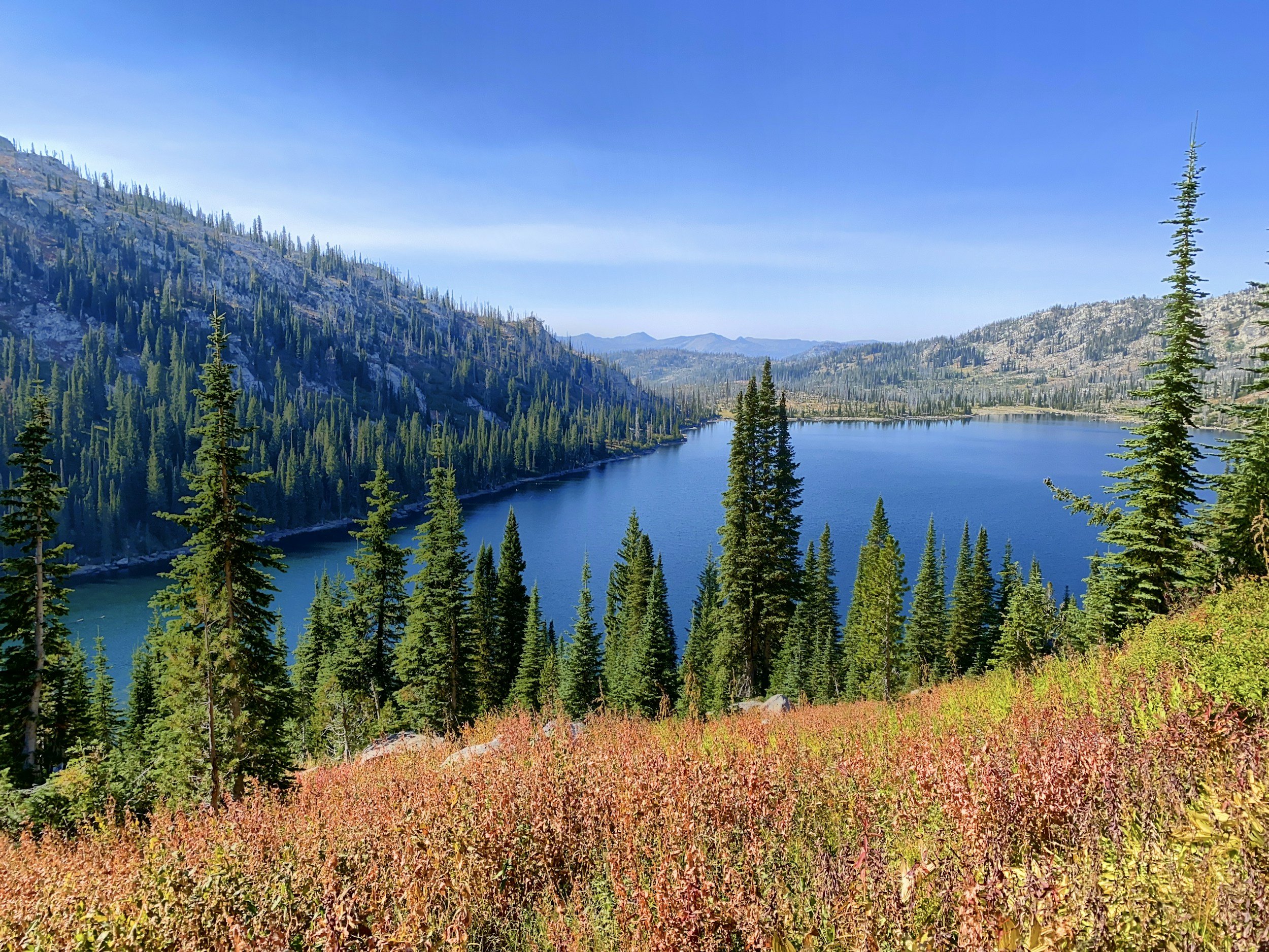
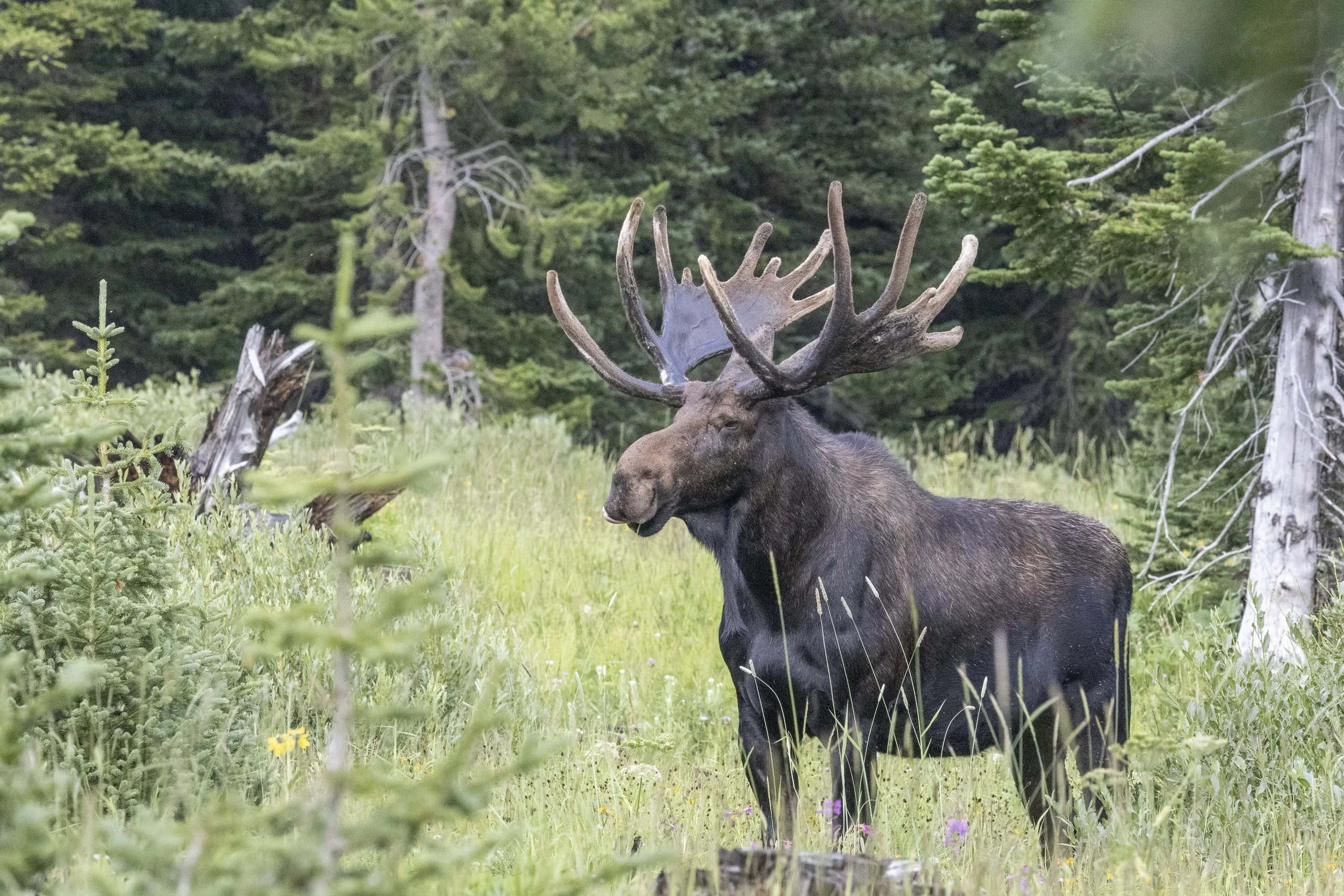
Ed Cannady photo.
Payette Endowment Lands
The Payette endowment lands surround one of Idaho’s crown jewels, Payette Lake. Owned and managed by the State of Idaho and the Idaho Department of Lands (IDL), the endowment lands were granted to Idaho at statehood by the U.S. Congress to generate revenue to financially support public beneficiaries through timber management, grazing leases, recreation, mineral leases, or direct sales. While not considered public lands, IDL often allows public access to these lands, and in the McCall area the endowment lands provide far more than financial return to state endowment beneficiaries. The lands act as natural filtration systems for Payette Lake, ensuring clean water for McCall’s sole drinking water source. The Payette endowment lands also provide habitat for numerous wildlife and fish species while remaining a source for numerous forms of recreation.
In 2020, a private development company proposed to trade 20,000 acres of the Payette endowment lands for timberlands in northern Idaho. The proposal was met with overwhelming opposition and ICL helped form United Payette, a coalition of concerned citizens and organizations committed to conserving the endowment lands and keeping them out of the path of privatization and development. United Payette continues to explore options to preserve the endowment lands, including a potential land exchange between the IDL and the U.S. Forest Service. You can learn more about ICL’s work on this issue and United Payette’s efforts by visiting the United Payette website at unitedpayette.org.
Mining
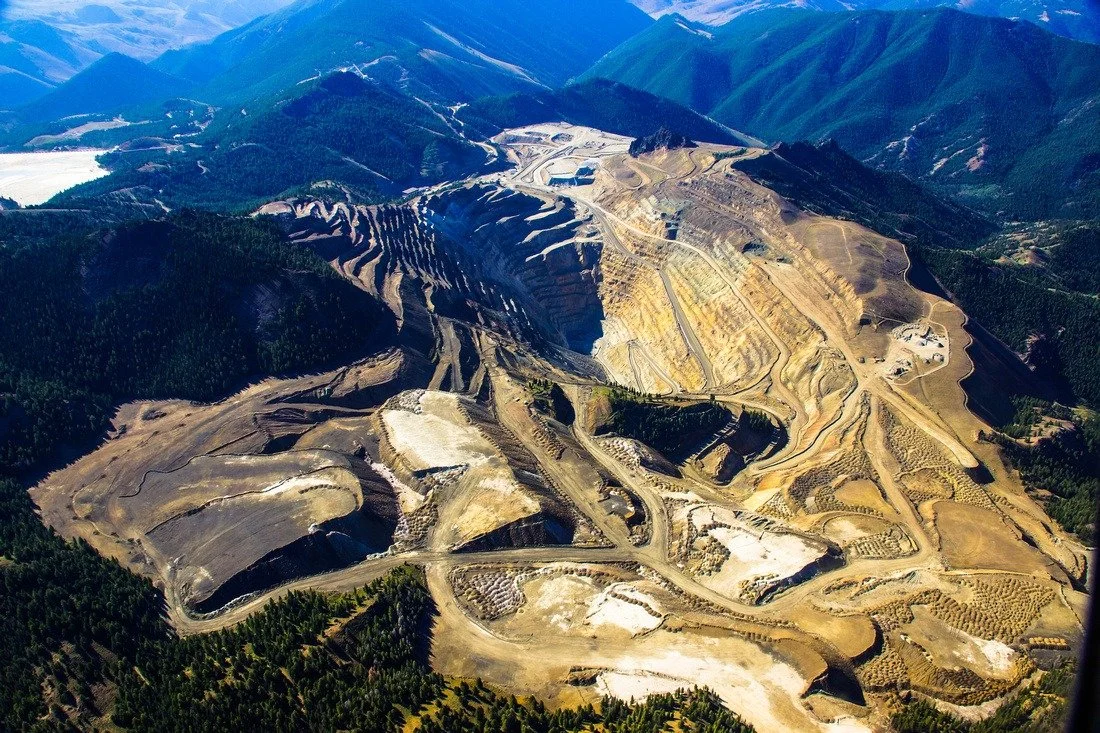
Idaho has a long and colorful history of mining, but too many of these mines have polluted streams and contaminated landscapes. According to the Environmental Protection Agency, 40% of watersheds in the West have been contaminated by mining activity. The Idaho Conservation League works to ensure that mining activities don’t threaten human health, special places, or Idaho’s clean water. We scrutinize proposed new mines, improving those that are acceptable, and fighting those that are not in Idaho’s best interests.
Thompson Creek Mine. EcoFlight photo.

Idaho’s public lands—and the clean water flowing from them—are the foundation of Idaho’s unique way of life and Idaho’s economy. We need to work together to restore, manage, and protect them by bringing Idahoans together, making our voices heard, and finding practical solutions that respect all users and the fish and wildlife that cannot speak for themselves.
Ed Cannady photo.