
By now, you’ve likely seen local, regional, western, and national coverage of the Trump administration’s plan to reorganize the Forest Service.
The proposal includes moving the agency’s headquarters from Washington, D.C. to Salt Lake City, eliminating the 9 Regional Offices, establishing 15 new State Offices (including one in Boise), setting up a network of Service Centers, and consolidating 77 Research Centers into as few as 20.
Hundreds of conservation groups and outdoor companies are sounding the alarm, warning that the Forest Service is essentially being dismantled. In response, the Forest Service itself took the unusual step of releasing a “Myth vs. Facts” statement in an attempt to push back on that narrative.
Several retired Forest Service supervisors describe the proposal not as a dismantling but as a “flattening” of what they see as a top and middle management-heavy (muffin-topped) organizational structure. In their view, the changes could ultimately be beneficial—reducing costs, improving efficiency, and helping staff get more work done. The Forest Service Chief also noted that no changes would be made until after this year’s wildfire season.
Still, the massive pushback against the reorganization (“Blink twice if you are being kidnapped, Smokey”) reflects a far deeper concern: many people who value public lands see this as part of a broader pattern—one that could ultimately lead to weakening protections and selling off public lands.
“Nobody is asking for this. None of the farm groups want this. No one in conservation wants this. Nobody.”
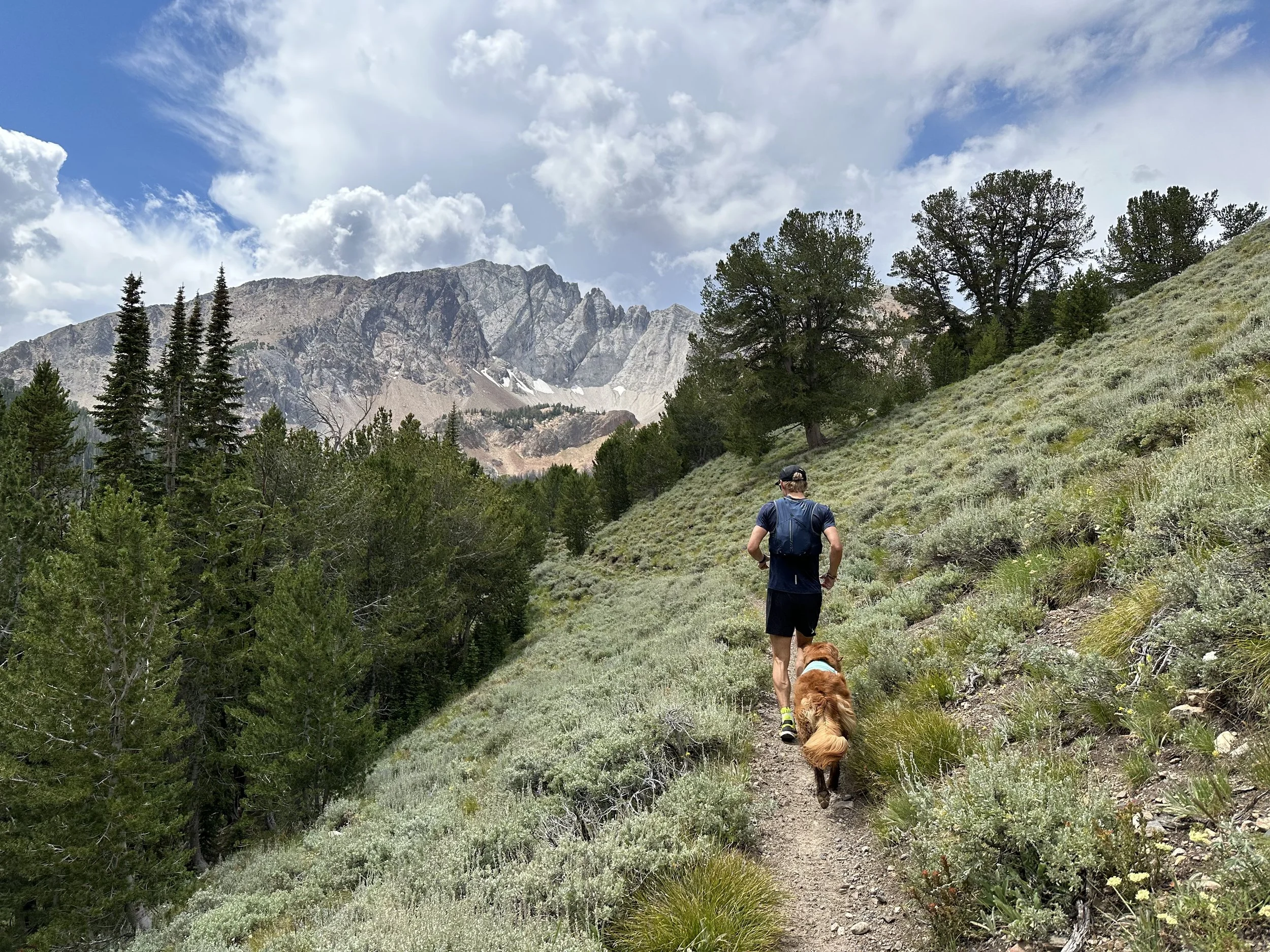
Eliminating Regional offices and creating State offices
Currently, North Idaho forests are managed out of the Region 1 office in Missoula, Montana, while south Idaho forests are managed out of the Region 4 office in Ogden, Utah. Replacing regional offices with state offices could make sense—if done thoughtfully. The Bureau of Land Management (BLM) already uses a state-based structure with reasonable success, but that model depends on adequate staffing and resources.
However, as currently envisioned, the Forest Service State Offices would be staffed by only a handful of employees and would lack the full complement of Regional staff who have special expertise in mine engineering, forest pathogens, cultural resources, and Treaty Rights, and more. While the newly proposed Service Centers could house some of these experts, that is not stated in the current plan. The result could be further loss of institutional knowledge when we can least afford it.
The importance of a Washington presence
While maintaining local District Ranger and Forest Supervisor offices makes sense for working with local communities, the Forest Service leadership also needs to engage directly with members of Congress and other federal agencies in critical matters like budgeting and coordination. Key decisions are made in D.C, not Salt Lake City. A reduced presence there could leave the Forest Service at a distinct disadvantage. As the saying goes, “If you’re not at the table, you’re on the menu.” A diminished Washington office might lead to reduced funding, staffing, and ability to keep the Forest Service intact.
Institutional knowledge
One of the biggest risks is the loss of staff with critical institutional knowledge. When the last Trump administration moved the BLM’s headquarters from Washington, D.C. to Grand Junction, Colorado, hundreds of employees retired or left their jobs rather than relocating. These people never came back. The move didn’t result in savings but instead a significant loss of expertise.
We have the same concerns here. To make matters worse, the Forest Service is already dealing with staffing gaps following last year’s senseless, chaotic and illegal DOGE-related cuts. While some staff were hired back, many were not. This reorganization could exacerbate those losses. Furthermore, Congress is not being consulted about this reorganization.
Research at risk
Forest Service research stations collect critical data on watersheds, fisheries, wildlife, forest health, and silviculture, among many other topics. Consolidating or closing these stations raises serious concerns (“It’s just madness”)—especially if long-term study sites and datasets are abandoned in the process. These Stations are essential in generating applied research which is essential for preparing for disasters and guiding restoration. Weakening them now is a step in the wrong direction.
“If this were a stand-alone proposal where the American public and the public agency employees had trust in the administration, a lot of it makes sense... But the level of trust is at rock bottom.””
The analogy of rearranging the deck chairs on the Titanic comes to mind in situations like this, but this move is more akin to proactively pushing Jack off the door and into the sea to make room for Rose before the ship ever even hits the iceberg.
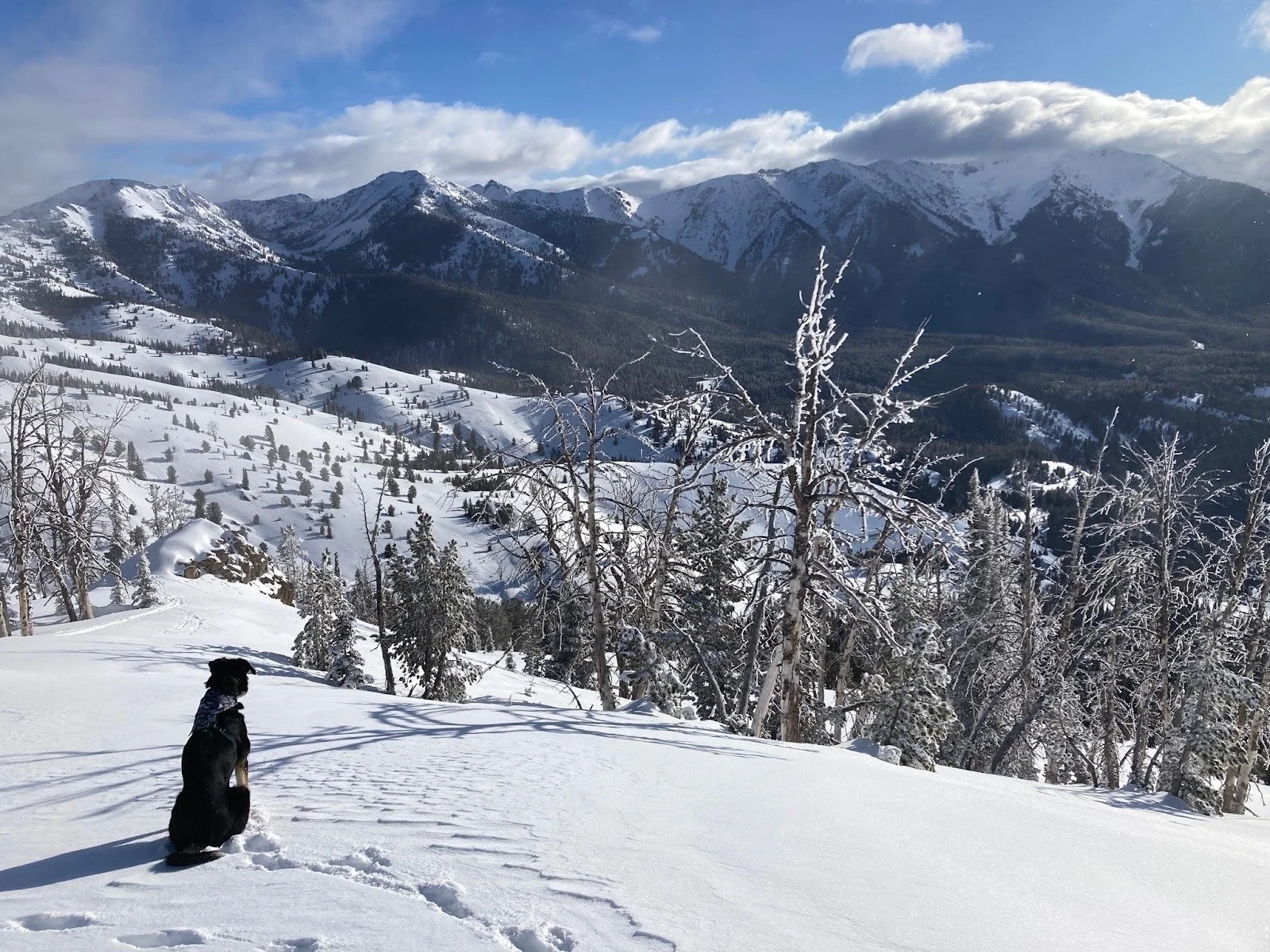
The Forest Service reorganization is supposed to bring decision makers closer to the public, but the agency will no longer be hosting public comment opportunities for projects like the Upper Bigwood Vegetation Management Project on the Sawtooth National Recreation Area. Josh Johnson photo.
The Ugly
While ICL has questions about the real intent behind the reorganization, the more troubling issues arise over changes in priorities, policy, and by extension, land management—particularly around public review of proposed projects.
The Forest Service argues that this reorganization will move decision-makers closer to the public so the agency can better serve them. However, at the same time, recent changes to NEPA regulations reduce or remove opportunities for the public to learn about and provide input on Forest Service activities. So while decision makers may be geographically closer to you, they are now no longer allowed to host public comment periods for the majority of the projects affecting Idahoans.
This reality is already playing out. Take the Upper Bigwood Vegetation Management Project near Galena in the Sawtooth National Recreation Area for example. This 2,500-acre proposed project—in a landscape that is highly visible, well used, and well loved—would typically be analyzed through an Environmental Assessment (EA) with scoping and comment periods. These public comments provide community members with meaningful opportunities to shape the project,helping to optimize treatment activities and minimize negative impacts. In the past, the Forest Service has made substantive project improvements as a result of public comments. However, under the new regulations and the new Emergency Authorization, this project is proceeding without an official public comment period (there is an open house on May 11). That represents a significant shift away from public participation.
The Forest Service isn’t dead…at least not yet. The Ranger Districts, Forests and Forest Supervisor offices are all still here. The agency even hired seasonal staff for trail work. And citizen-led forest restoration collaboratives like the Boise Forest Coalition continue to connect communities to the Forest Service. But the reform the agency truly needs isn’t the proposed “structural overhaul”—or preparation for disintegration—but a restoration of the funding and adequate staffing to fulfill its mission: “Caring for the Land and Serving the People.”