
Reptiles and amphibians have been likened to stars in the vast night sky. We appreciate their part in our natural universe, but sometimes take their wondrous and unique qualities for granted. Chasing an occasional lizard as a grade-schooler or hearing the croak of a frog outside our bedroom window may be the only recollections and reminders that we share our domesticated landscapes with these critters.
Unfortunately, these fleeting occurrences may symbolize a general lack of awareness many of us have about the role reptiles and amphibians fulfill in ecosystems and the imperiled conservation status of many populations.
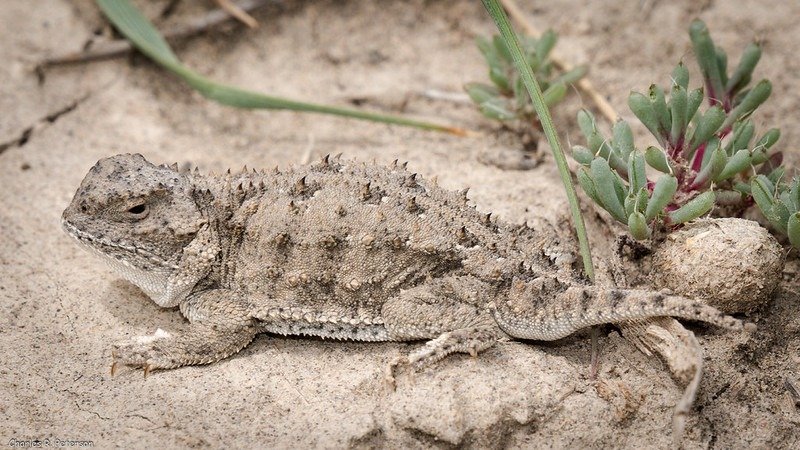
Pygmy Short Horned Lizard. Charles Peterson photo.
As both predator and prey species, reptiles and amphibians—known as herpetofauna—occupy an important role in food webs. Snakes and lizards control pest insects like mosquitoes and provide a check on rodents which can act as disease vectors and cause crop damage. They are also underappreciated as important prey species for larger predators like raptors and a wide variety of mammals. A study at the Morley Nelson Snake River Birds of Prey National Conservation Area documented over 100 predation events during two field seasons—the majority of which were from adult Red-tailed Hawks seeking to feed their young with various snake species in the area.
Amphibians act as “bioindicator” species due to their permeable skin and complex life-cycles that rely on both healthy waters and lands. Their bodies are quite vulnerable to environmental stressors which can cause reductions in populations or the loss of an entire species. For example, the Wyoming Toad is considered extinct in the wild and the Northern Leopard Frog has disappeared in many parts of its historic western range.
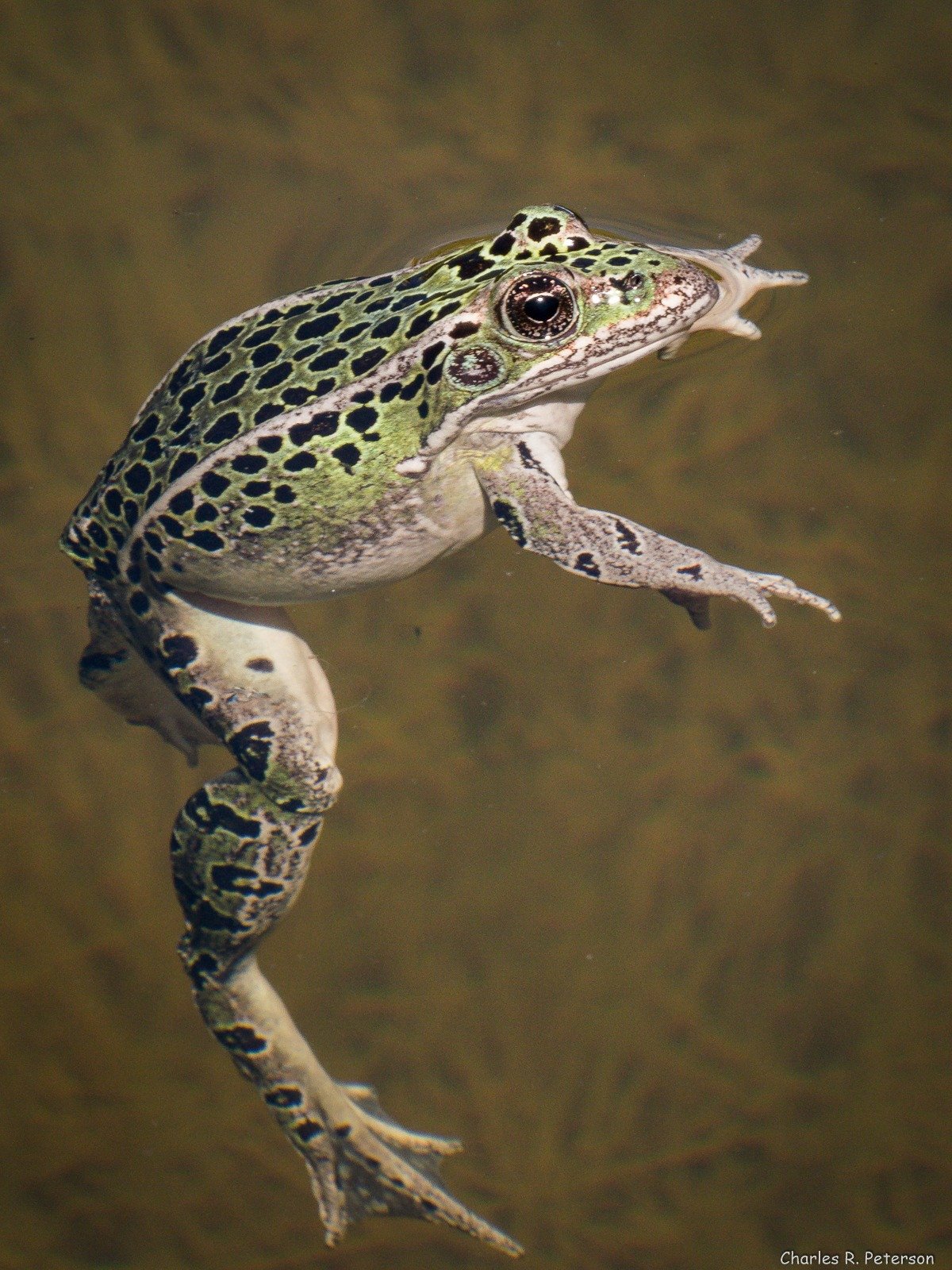
Northern Leopard Frog. Charles Peterson photo.
Stress to amphibian and reptile populations can come from a variety of sources including habitat loss and fragmentation, altered temperature, precipitation and fire regimes due to climate change, invasive species, development, agriculture, and recreation.
The U.S. Geological Survey estimates that amphibian populations are declining at an alarming 4% per year, nationally. The most severe losses have been documented in the Rocky Mountain west. In aggregate, reptiles and amphibians are among the nation’s most jeopardized species, with Endangered Species Act protections afforded to over 100 species.
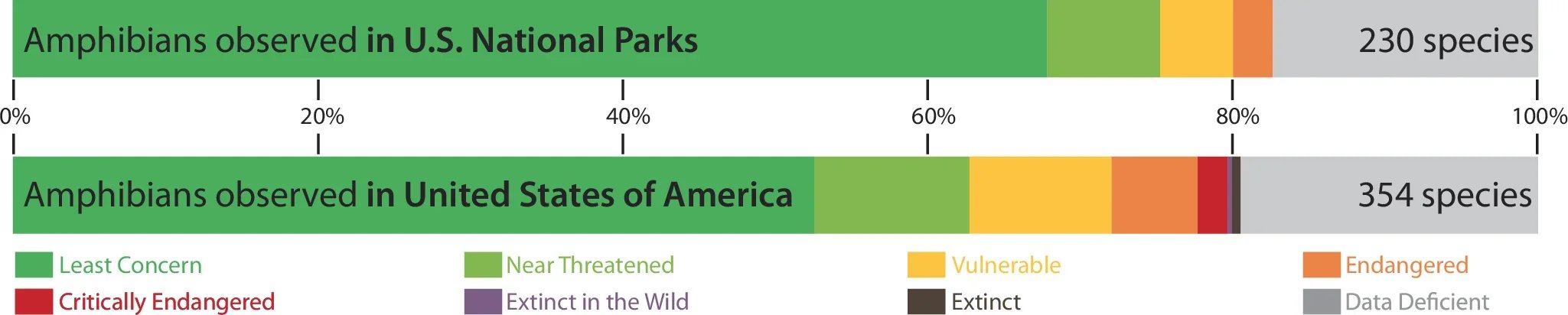
Idaho is home to 23 native reptile species (10 lizards, 12 snakes), including our only turtle—the Western Painted Turtle. The Gem State also hosts 15 species of amphibians (5 salamanders/newts and 10 frogs/toads).
While much remains unknown about Idaho’s herpetofauna, the Idaho Department of Fish and Game (IDFG) lists roughly one-third of them in the agency’s State Wildlife Action Plan (SWAP) that governs the conservation and management of Idaho’s imperiled fish and wildlife species. Unfortunately, although IDFG has done a good job of describing the status of many herpetofauna species in our state, amphibians and reptiles receive little attention due to the lack of adequate funding for conservation efforts.
That’s what makes an exciting initiative to bring a new reptile and amphibian conservation model to Idaho so encouraging.
The Idaho Conservation League recently participated in a work session, hosted by the Amphibian and Reptile Conservancy (ARC), that gathered our state’s foremost herpetological experts to identify ecologically significant landscapes for conservation of priority reptile and amphibian species in Idaho. ARC’s model is using statewide expertise to create Priority Amphibian and Reptile Conservation Areas (PARCAs) in all 50 states and emphasize the need for more robust conservation actions in these areas. The idea was adapted from the Important Bird Area (IBA) framework developed by BirdLife International to identify, monitor, and protect the world’s most critical bird habitats.
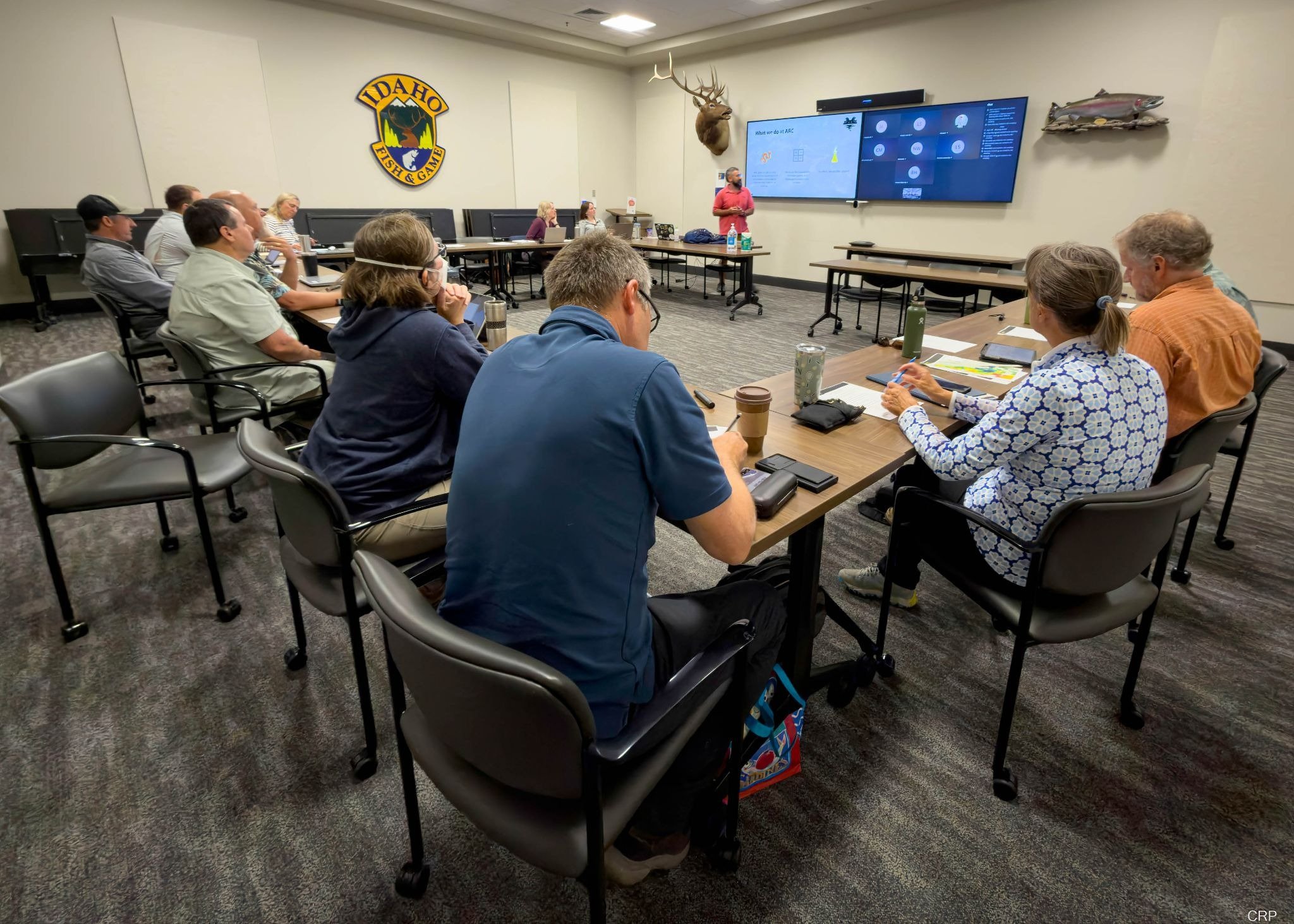
Idaho-ARC Working Group, June 2026.
Thus far, ARC has convened authorities in 29 states to identify boundaries of 346 PARCAs based on a specific set of ecological criteria:
Presence and diversity of vulnerable reptile and/or amphibian species in significant numbers.
Habitats that support all life-history stages of those species.
Landscape conditions that can sufficiently support those species—generally between 1,500 and 35,000 acres.
Areas where threats to landscapes can be minimized, where lands can be restored, and where management actions can be improved.
Areas with minimal road densities.
Areas that are deemed significant by the expert working group are documented in a state-specific report that is presented to state agencies, land conservation groups, and local land planning officials. In addition to recommending PARCA locations and boundaries, the experts can also act as a partner group to help coordinate and implement future conservation and research efforts. Local stakeholders are already collaborating on large-scale conservation actions on 28 PARCAs across the country. Eventually, ARC hopes that PARCAs are integrated into State Wildlife Action Plans, Bureau of Land Management (BLM) strategic plans, treatments of invasive species, species reintroductions, and genetic research.
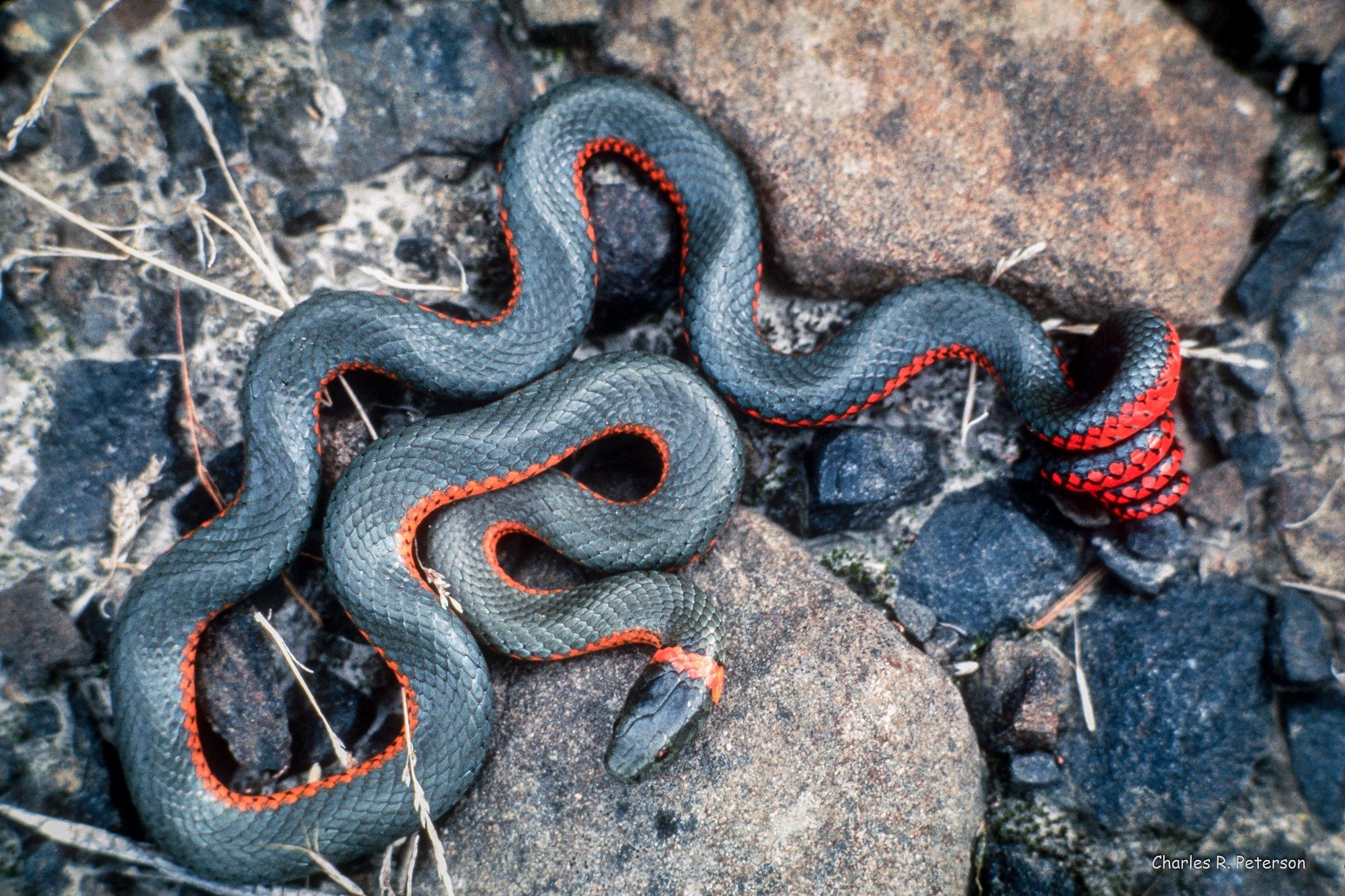
Ring-necked Snake. Charles Peterson photo.
Idaho’s newly formed PARCA working group is composed of representatives from BLM, USFWS, USGS, IDFG, Idaho State University, Northwest Nazarene University, and ARC. It identified locations of 11 candidate PARCAs that host 18 priority species of frogs, salamanders, snakes and lizards, including animals such as the Pygmy Short-horned Lizard, the Ring-necked Snake and the official state amphibian—the Idaho giant salamander. Their report Idaho PARCAs describes nearly 20,000 acres of grassland, forest, and aquatic habitats important to amphibians and reptiles in 8 ecoregions across the state.
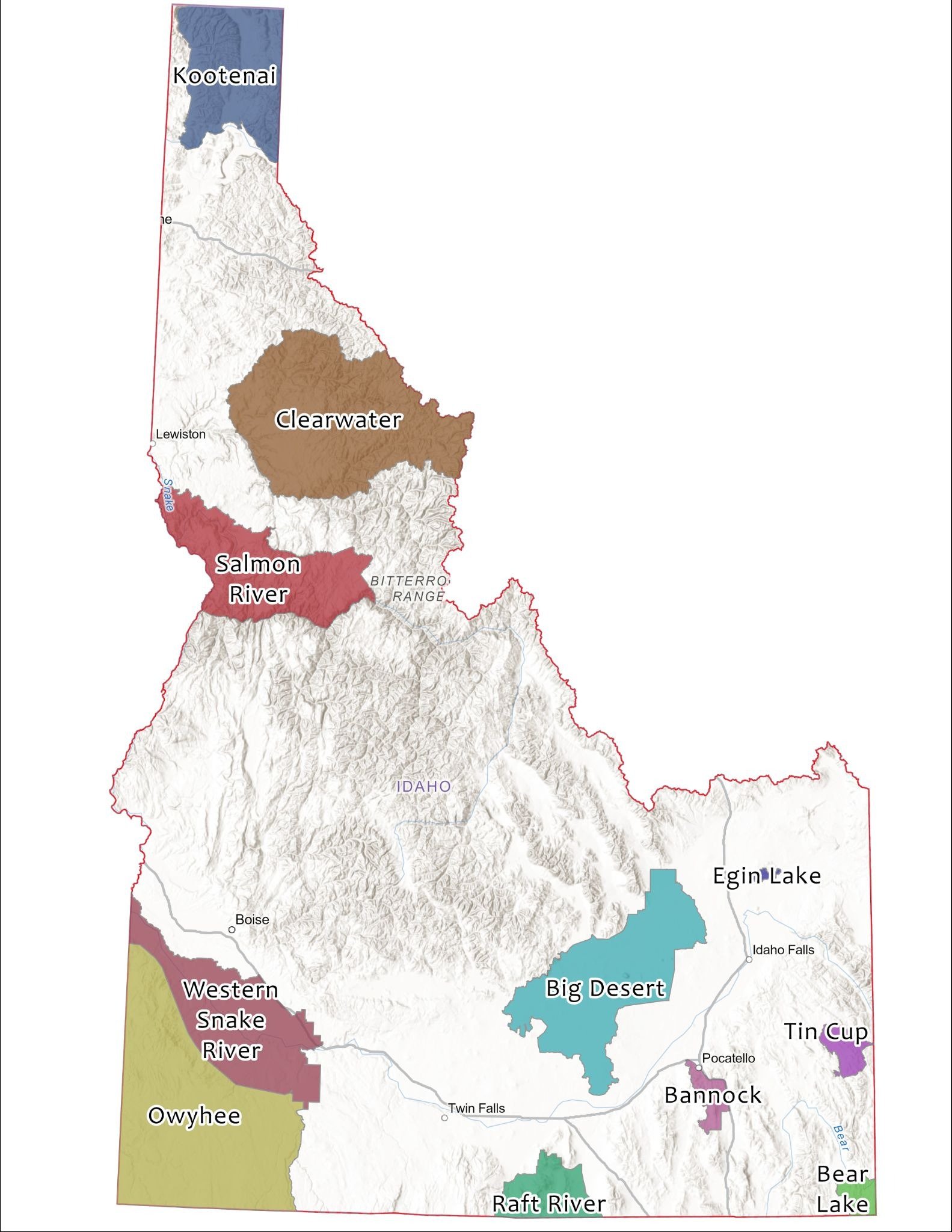
The group hopes recommendations in the report will be a complement to existing initiatives and promote collaboration between landowners, land trusts, municipalities, and management agencies on future conservation actions.
Bold conservation initiatives start with partnerships and a shared vision. ICL was pleased to be a tiny part of this inspired initiative led by ARC. The effort was a testimony to the wealth of professional knowledge generously contributed by Idaho’s reptile and amphibian experts and the indispensable work of ARC—an earnest, mission-driven national conservation organization. ICL looks forward to using the Idaho PARCAs report to advocate for increased urgency to conserve Idaho’s lesser-known, imperiled reptile and amphibian species and to bring attention to the important roles they fill from our backyards to our backcountry.
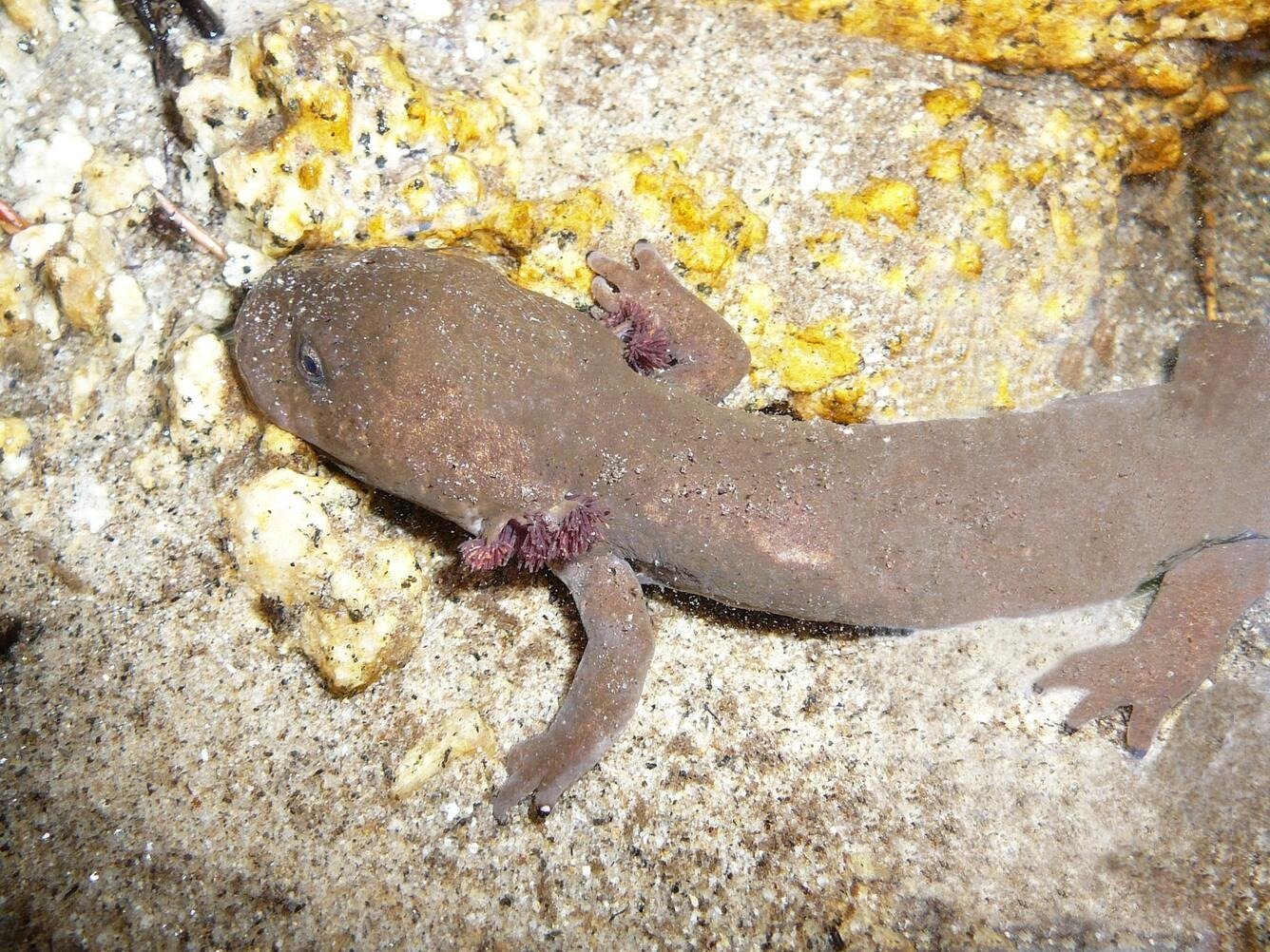
Idaho Giant Salamander. Charles Peterson photo.