
Columbia and Snake River Salmon, by the Numbers
When it comes to understanding the status of salmon populations in the Northwest, numbers matter. But facts and figures can feel challenging to find and difficult to understand—even before you add in the political dynamics of hydropower operations, hatchery populations, and interest groups all fighting for your attention. But cherry-picked data and numbers that some are using to claim salmon are “doing better than ever” since federal dams on the Columbia and Snake River are painting a dangerous—and false—picture. In reality, the numbers don’t lie, and they prove what we’ve known for decades: dams have pushed Columbia and Snake River salmon to the brink of extinction, and despite decades of investments and billions of dollars spent, that is where they remain today. So here, in clearly sourced and stated fact, are Columbia and Snake River Salmon, by the Numbers.
10-16 Million
Wild salmon historically returned to the interior Columbia River Basin to spawn, including an estimated 2-6 million returning to the Snake River Basin each year. (Source: Northwest Power and Conservation Council and USGS)
16
Wild salmon and steelhead stocks historically spawned above Bonneville Dam in the Columbia and Snake River Basin. Of these, 4 are extinct and 7 are endangered or threatened. (Source: NOAA, National Marine Fisheries Service 9/30/22)
17
Wild/Natural Snake River sockeye swam back to the Stanley Basin in 2025—far below the Columbia Basin Partnership recovery goal of 9,000 sockeye annually and less than 1% of historical returns. (Source: IRU fish returns)
25,000
Wild Snake River sockeye historically returned to the Stanley Basin in central Idaho each year. (Source: Columbia Basin Partnership Task Force 2020)
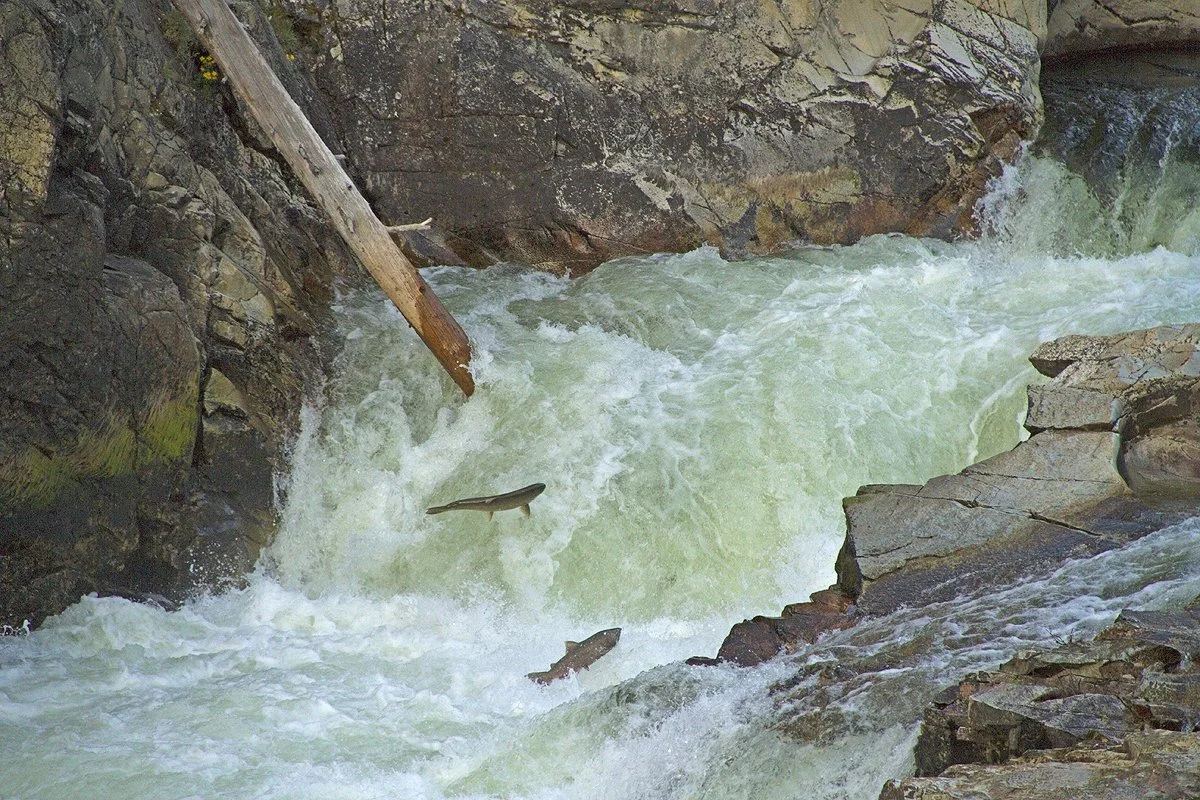
Chinook salmon at Dagger Falls. NOAA Fisheries/Enrique Patino photo.
0
Salmon spawned in the 75 miles of the lower mainstem Middle Fork Salmon River in 2025. Only one redd was identified in the upper mainstem Middle Fork. The Middle Fork is considered some of the highest quality salmon spawning habitat in the lower 48. (Source: USFS Middle Fork Redd Sites 2025)
1%
Of the Nez Perce diet now comes from salmon, a steep decline from the roughly 50% that salmon once provided. Salmon, steelhead, and lamprey are important First Foods for Tribes throughout the Northwest. (Source: Joe Oatman, director of the Nez Perce Department of Fisheries Resources Management)
5,500
Square miles of high-quality, pristine, protected upriver habitat in central Idaho, northwest Oregon, and southeast Washington State provide cold-water refuge to salmon and steelhead. (Source: Save Our wild Salmon Hot Water Report)
79%
Of fish decline can be attributed to hydrosystem impacts, according to an estimate from the Northwest Power and Conservation Council. “Declines in run size due to hydropower development and operation range from 5 to 11 million fish.” (Source: Columbia River InterTribal Fish Commission)
18 Million
Fewer truck ton miles could be traveled on roads without the four lower Snake River dams by making key infrastructure changes to shift from barge to rail, as found in a recent, preliminary scenario run by WSDOT. (Source: Washington State Department of Transportation)
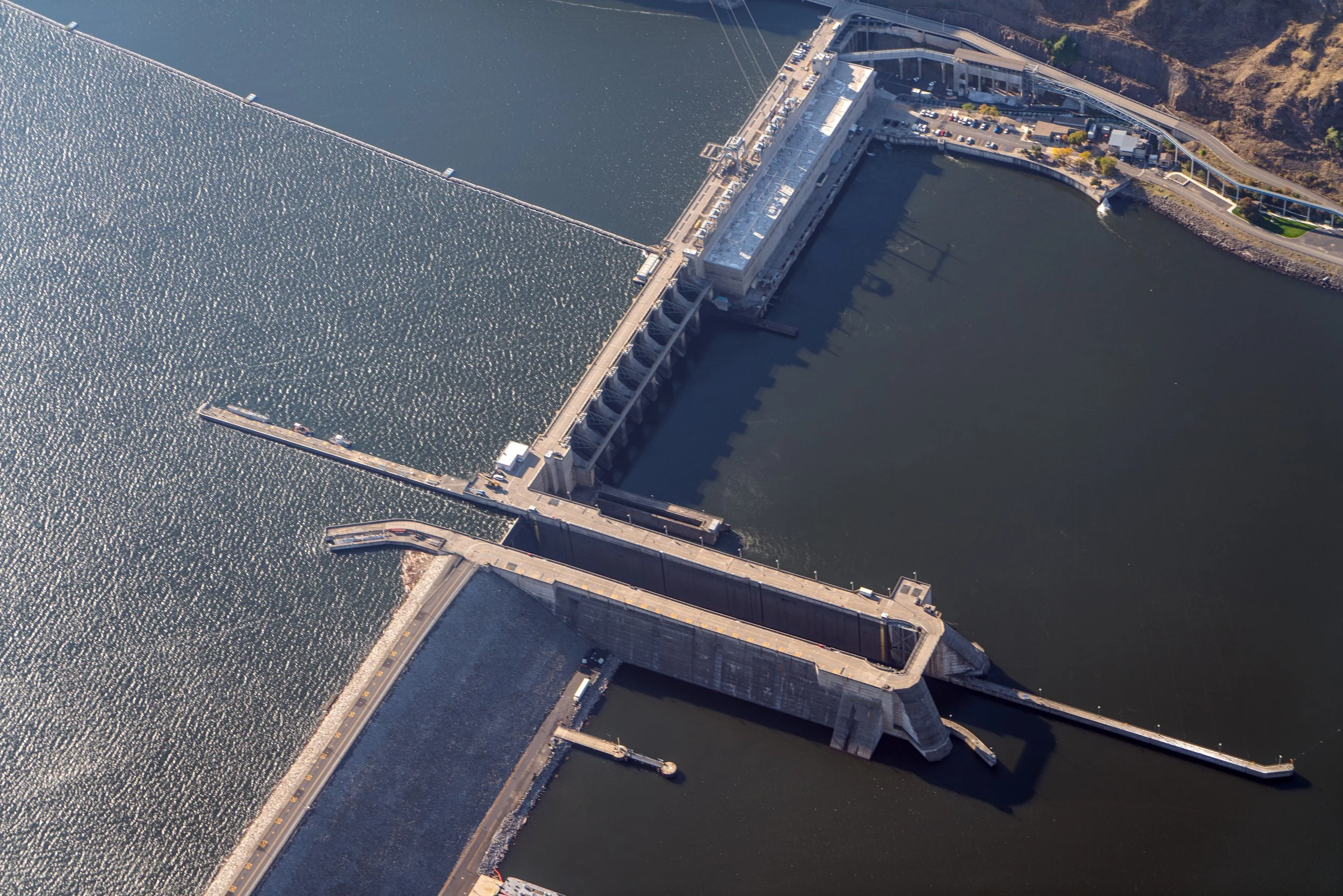
Lower Granite dam. EcoFlight photo.
2 - 3%
Of the Northwest’s power is currently provided by the four Lower Snake River dams. Despite a nameplate capacity of over 3,000 megawatts, they provided on average ~700 megawatts (aMW) of energy over the course of the year from 2020 - 2024. (Source: "Lower Snake River Dams Contribution to Grid Services.", Sep. 2025)
$165 - $221 Million
Is the estimated annual cost of BPA’s decision to join an energy market headquartered in Arkansas, instead of the alternate option preferred by many across the Northwest region. (Source: BPA, Earthjustice)
75
Southern Resident Orcas remain in 2026. This population relies on Chinook salmon for 50-80% of their diet, largely supplied by the Snake River basin. (Source: Center for Whale Research, June 2026)
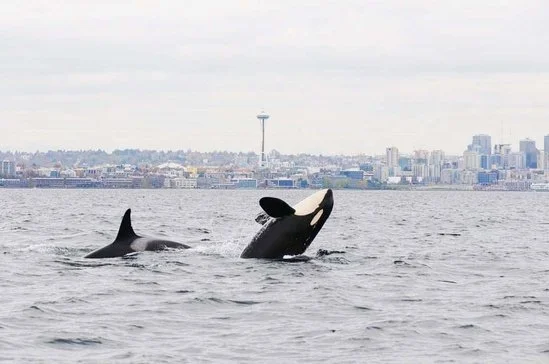
NOAA photo.
10 - 30 days
Is how long it takes salmon to migrate from Idaho to the Pacific Ocean, swimming through 8 reservoirs created by dams—compared to the 1-2 days it took under a free-flowing river. (Source: Nez Perce Tribe Department of Fisheries Resource Management)
$1 Billion, Annually
Is the regional personal income that restored salmon fisheries could bring to the Columbia Basin, while supporting up to 25,000 new family wage jobs. (Source: Murray Inlsee Report)
$20 Billion
has been spent on salmon recovery in the basin from 1981 to 2022, including all of BPA’s costs (lost revenue and additional power purchases to offset fish operations at dams). Factoring in recent years and inflation, the cost is estimated at well over $26 billion. (Source: ProPublica and Oregon Public Broadcasting)
89
Consecutive days the water in the Ice Harbor Reservoir was above 68°F in 2025. 68°F is the “harm threshold” set to protect migrating salmon and steelhead. On August 17th, 2025, Ice Harbor Reservoir registered its highest temperature: 72.95°F (Source: Save Our wild Salmon: Hot Water Report)