
BLM to limit public involvement on mine proposal in the Owyhees—speak up while you still can!
Canadian mining company Integra Resources is moving forward with the DeLamar Mine project to reopen and expand an open pit cyanide heap-leach gold and silver mine on Bureau of Land Management (BLM) land in the Owyhees.
The mine is located a short distance from both Silver City and Jordan Creek, which flows into the Owyhee River and which irrigates over 100,000 acres of farmland farther downstream.
The project would greatly expand two existing open pits on Florida Mountain near Silver City and DeLamar Mountain farther to the south. The project footprint includes 1,420 acres of existing disturbance and also an additional 1,495 acres of new disturbance to intact portions of the landscape. The 19-year project would include construction of haul roads, heap leaches, waste rock dumps, and underground cyanide process ponds.
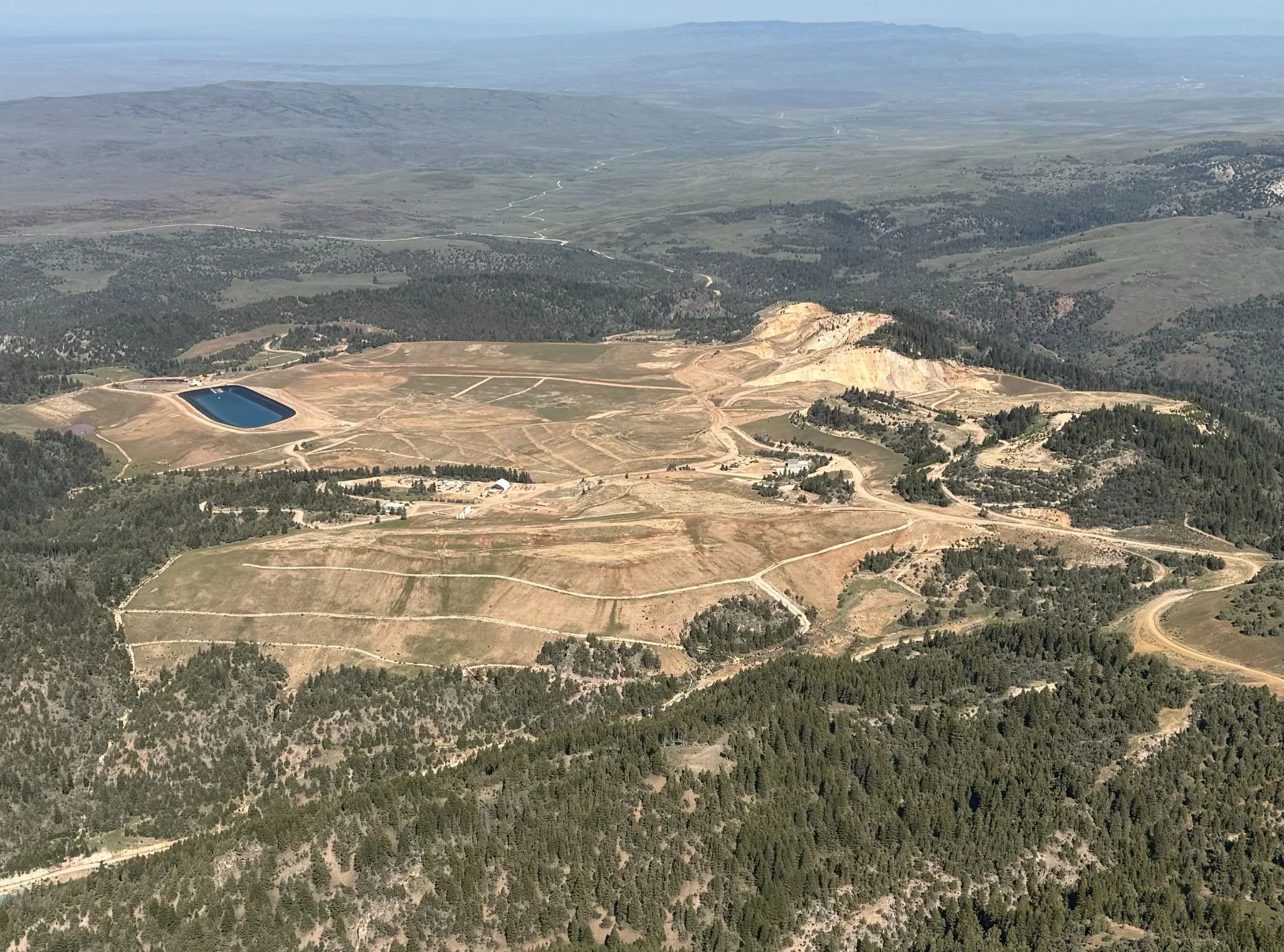
EcoFlight photo.
The Owyhee Mountains have a rich mining history—the historic and fascinating ghost town of Silver City is tucked between the peaks—but this mining came with an environmental cost. Jordan Creek is still polluted from historic mining operations that used mercury to extract gold:
“Jordan Creek’s designated beneficial uses include cold water aquatic life, salmonid spawning, and primary contact recreation. Beneficial uses affected by mercury pollution include recreation (in the form of fishing) and cold water aquatic life. Recreational fishing use is affected because elevated fish mercury levels may impact human health and reduce the amount of fish that can be safely consumed. Fish and other aquatic species can also be adversely affected by exposure to mercury in the food chain, thus affecting cold water aquatic life beneficial uses.”
Jordan Creek Mercury Total Maximum Daily Load, Idaho Department of Environmental Quality
The BLM has provided a virtual meeting room to learn about the project. The project plans to use cyanide heap leaching to extract gold from the ore. The use of cyanide leaching for gold extraction is economical but can have adverse environmental effects, including deaths of waterfowl landing in exposed cyanide process ponds in the 1990s at the site. Mining can lead to acid mine drainage and leach heavy metals into waterways for centuries after operations cease.
Integra Resource’s website includes a presentation of the stages of the mine through development (they do not show the finally reclaimed landscape). Integra Resources is attempting a more mindful approach to mining and has built partnerships with the Shoshone-Paiute Tribes with a new partnership agreement and conservation groups like Trout Unlimited. There is the possibility for the mine to restore previous mine pollution on site and also to do some larger conservation work in the larger watershed for a net environmental uplift.
However, open pit cyanide heap leach projects are inherently complex and need a lot of refinement throughout all the steps of environmental analysis as site-specific issues are discovered:
Step 1. Every major mine permitted in the West in the last several decades has gone through an extensive environmental analysis starting with an initial comment period on the scope of issues the environmental analysis should look at. For the DeLamar Mine, these include potential impacts to roads, traffic and recreationists, potential contamination of surface and groundwater, disturbance to native plants and wildlife, and light pollution.
Step 2. Normally, the BLM would release a Draft Environmental Impact Statement (DEIS) that examines all these issues, looks at different alternatives to avoid and minimizes impacts, and discloses the results of these alternatives to the public.
Step 3. This is usually followed by a 45-90 day public comment period on the Draft Environmental Impact Statement where members of the public can weigh the pros and cons of the different alternatives. Local community members and subject matter experts like hydrologists, historians and fisheries biologists often weigh in and point out issues that the mining company may have overlooked as well as potential problems with the mine plan, transportation, water management, or reclamation. The federal agency then relies on these comments to further refine the project.
Step 4. The BLM releases a Final Environmental Impact Statement and Record of Decision authorizing the project.
The BLM is taking public comments on Step 1 through June 29. But the BLM is skipping Steps 2 and 3 (publishing a Draft EIS with a public comment period). The Department of Interior is saying that because this is a “Fast 41” project with increased transparency and a set timeline, they don’t have time to further refine the project with a DEIS and a public comment period. This is factually incorrect. The decision-makers at the BLM do have discretion to host a public comment period for complicated projects.
Bypassing the public once the actual impacts are known is a huge mistake as it may well result in an inferior mine plan, decreased efficiencies in mine operations, and increased environmental harm. These are public lands and the public should have a say in how they are managed.
The BLM is taking public comments on issues that the Environmental Impact Statement should analyze through June 29.
We are encouraging Idahoans to ask the BLM for four things:
Develop an alternative that further reduces the footprint of disturbance.
Develop an alternative that minimizes potential impacts to Jordan Creek (and that actually cleans up local pollution sources).
Develop an alternative that minimizes light pollution and traffic conflicts
Disclose the impacts in a Draft Environmental Impact Statement and make it available for public comment.
Don’t wait—take action and submit your comments to the BLM by clicking the button below!
For more information, go to the DeLamar Mine Project Planning Page.