
The Wildlife Lovers’ Guide to IDFG’s New Strategic Plan
The Idaho Department of Fish and Game (IDFG) recently completed a year-long strategic planning update, with the Commission adopting the final plan in January. The result? A decent sprinkling of “good”, a fair bit of “not-so-good”, and a whole lot of “only time will tell.”
Like most strategic plans, the devil really is in the details—and the impact depends on how the plan is implemented. IDFG’s new “Compass” document leaves room for broad interpretation, depending on one’s conservation perspective. The real test will be how managers translate its guidance into concrete policies.
During two public comment periods, ICL supporters submitted nearly 1,200 comments—likely more than any other stakeholder group. You made it clear that Idaho’s wildlife cannot be taken for granted and that IDFG must be accountable to all Idahoans. You urged the agency to recommit to conserving all native wildlife—not just the animals that are hunted, fished, or trapped. If this conservation community stays engaged, this plan can help hold IDFG’s staff and commissioners accountable for management decisions over the next decade.
Thanks to your advocacy, IDFG’s new plan places greater emphasis on habitat conservation, landscape connectivity, funding for native non-game and imperiled species, disease management and watchable wildlife opportunities.
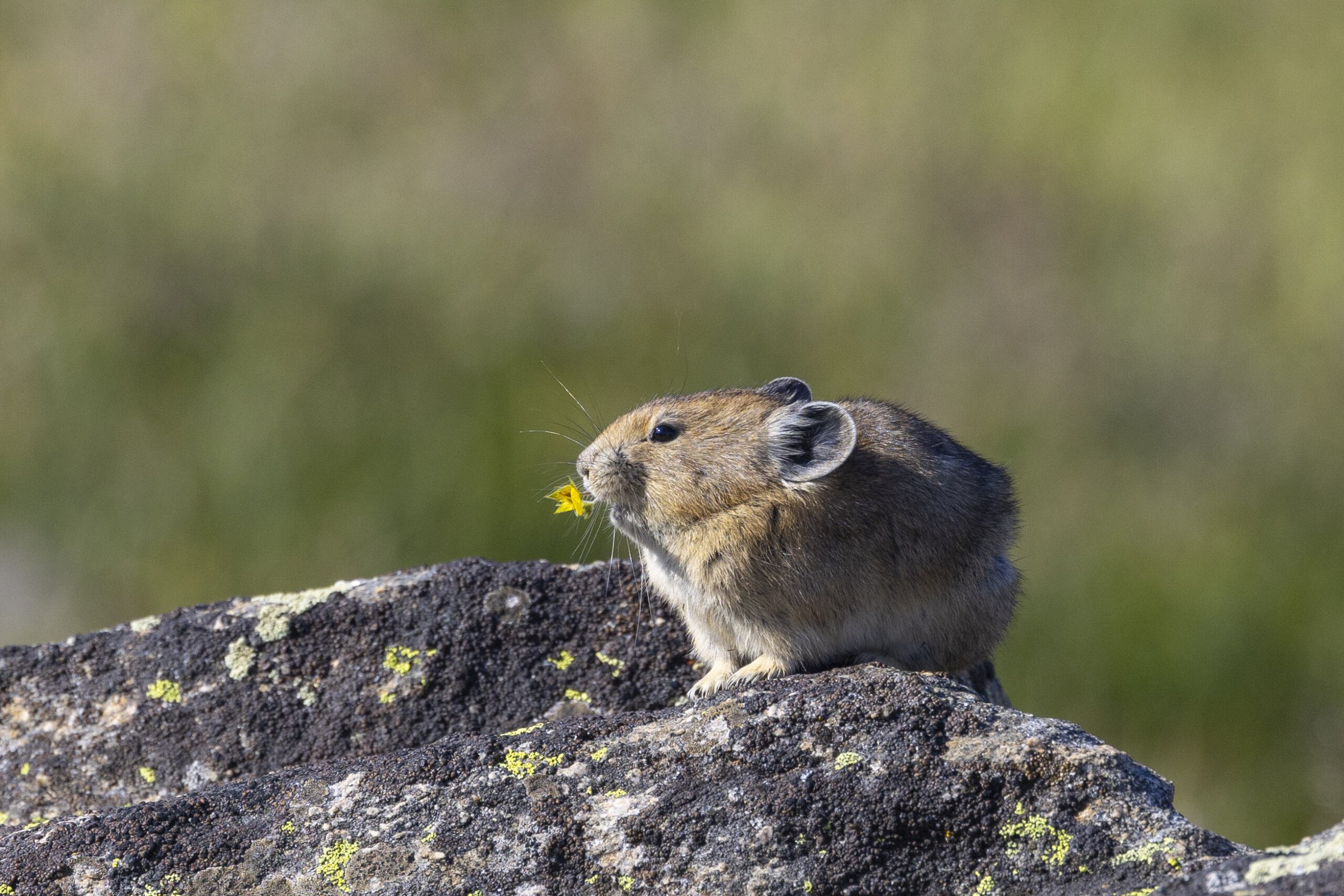
Non-game and Imperiled Species
Perhaps the single biggest victory for wildlife advocates is IDFG’s commitment to “pursue funding for conservation and management of at-risk species.”
Idaho’s imperiled species—and recommended recovery actions—are outlined in IDFG’s 2023 State Wildlife Action Plan. Although the document provides a restoration roadmap for nearly 300 native species, IDFG lacks dedicated funding to carry out most of that work. While revenue from hunting, fishing, trapping, and federal excise taxes have long supported game species, many Idahoans have called for a broader investment in all native wildlife.
During the planning process, advocates urged IDFG to apply its mission to “preserve, protect and perpetuate” to all of Idaho’s native species—not just those pursued for consumptive uses—and to address funding gaps between management of game and nongame species.
ICL is encouraged that the final plan takes steps in that direction, committing to “engage with regional and national efforts to fund at-risk species conservation” and to better engage with non-consumptive wildlife recreationists. Recent presentations by department staff to the IDFG Commission on wildlife diversity and non-game programs are also encouraging signs that the agency wants to improve visibility of, and potentially expand, their efforts to conserve native, nongame species.
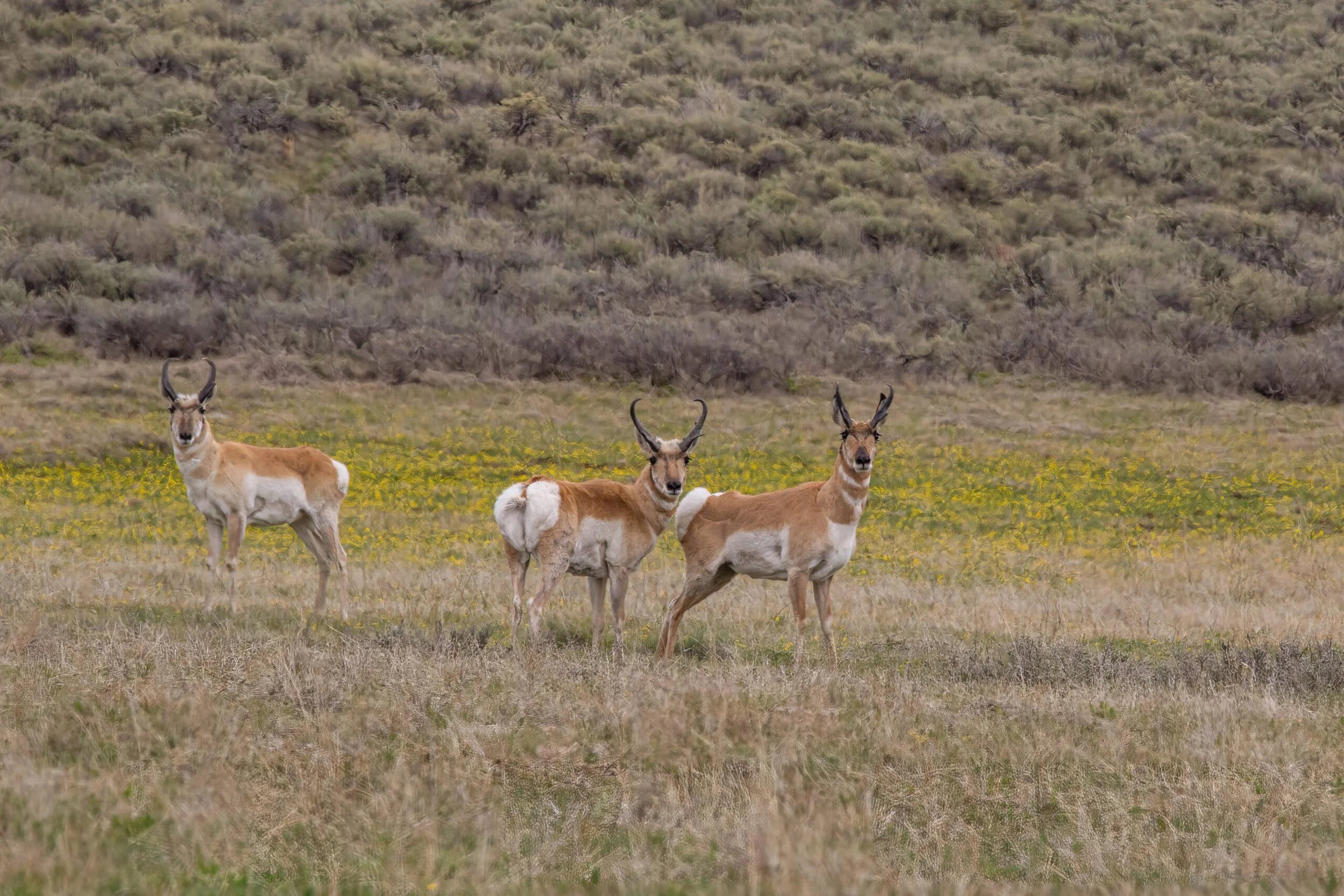
Ed Cannady photo.
Habitat and landscape connectivity
ICL has long urged state and federal managers to prioritize habitat integrity and landscape connectivity while setting policy and addressing wildlife challenges.We’re encouraged that IDFG made this a clear focus in its final plan, committing to expand and accelerate landscape-level habitat conservation efforts as well as prioritize areas that need it most. We were also encouraged to see IDFG highlight habitat projects aimed at improving connectivity in key wildlife movement corridors.
There are signs of progress beyond the agency as well. Support for highway infrastructure for wildlife crossings is gaining steam in the legislative session with the introduction of SCR 124, a nonbinding resolution recognizing the importance of Idaho’s big game migration corridors. Stay tuned for news on that measure, as well as the pending release of a statewide study of wildlife-vehicle collision hotspots commissioned by the Idaho Department of Transportation.

Ed Cannady photo.
Disease and Invasive Species
The IDFG plan also elevates disease and invasive species management as a top priority—an issue that drew broad attention during public comment. The agency’s commitment to monitoring and reducing “disease transmission risks between wildlife and domestic animals” is particularly noteworthy.
Recent statewide and national coverage has highlighted ICL’s investigations into Chronic Wasting Disease and biosecurity failures at several elk farms. Three facilities are now under quarantine orders after testing positive for the neurological disease. Although the Idaho State Department of Agriculture is primarily responsible for regulating domestic elk as livestock, we’re encouraged that IDFG is working to minimize risks to wild deer, elk and moose.
Transparency and Public Involvement
Another focus area in the new plan is improving public understanding of and involvement in fish and wildlife management. IDFG says it commits to increasing both awareness and participation in decision making opportunities as well as transparency on decisions impacting Idaho’s fish and wildlife. ICL views this as a healthy commitment—transparency goes hand in hand with accountability.
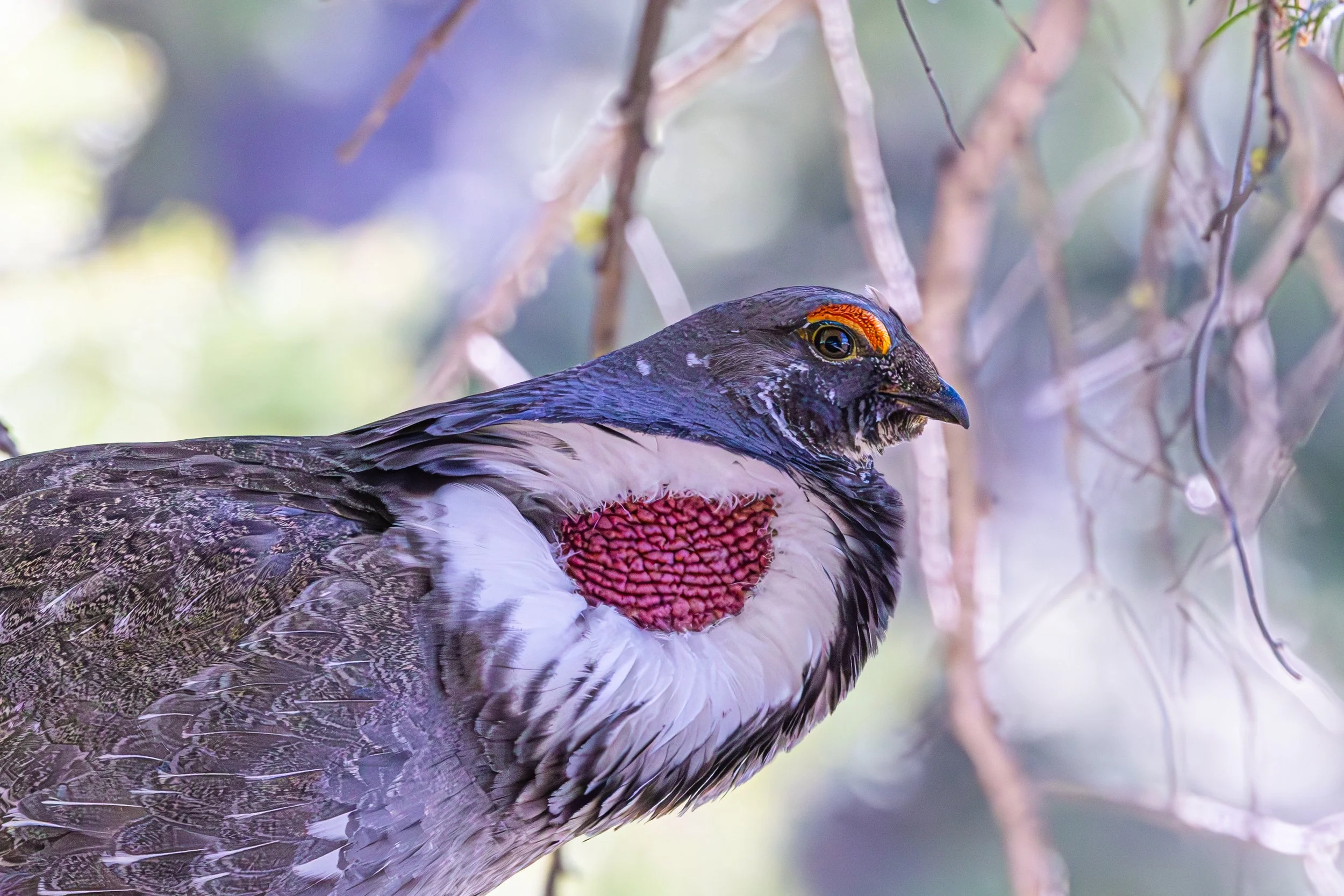
Ed Cannady photo.
Looking Ahead
ICL still has reservations that IDFG’s vision for the future of our wildlife isn’t bold enough. Troubling policy priorities also remain in the document, including continued persecution of native predators like wolves. Still, public engagement clearly strengthened important pieces of the final product.
A recent IDFG Commission vote just might be a symbol of small, but positive change at the agency. When considering an increase in the river otter trapping quota in the Southwest Region, a Commissioner moved to scale back the proposal, citing input from rafters, river enthusiasts, and wildlife watchers that spoke up during the strategic planning process. The motion passed—an encouraging sign that diverse voices are being heard and that Idaho’s wildlife belongs to all of us.
We’re thankful for IDFG’s effort to update its guiding document and meet today’s pressing conservation challenges. Wildlife supporters across Idaho should be proud of their year-long engagement on this important initiative. That involvement helped shape a more thoughtful and balanced Compass—and it must continue to hold IDFG accountable in ensuring the agency’s policies reflect the conservation values it has now put in writing.