
ICL Legislative Update: Springing into the Action
Tensions are rising as frustration among committee members grows. Bills keep pouring in—15 were introduced in one committee last Monday morning alone—but few are moving forward. Duplicates are common: some expected, others catching lawmakers off guard. In one case, two committee members weren’t sure if the other’s bill canceled their own, forcing the committee to go at ease to sort it out.
Meanwhile, as sunlight reaches the Garden Level of the Capitol and starts to tease the arrival of spring, the urge to head home is growing. But the Joint Finance Appropriations Committee (JFAC) is still grinding through budget cuts, adding to lawmakers’ impatience.
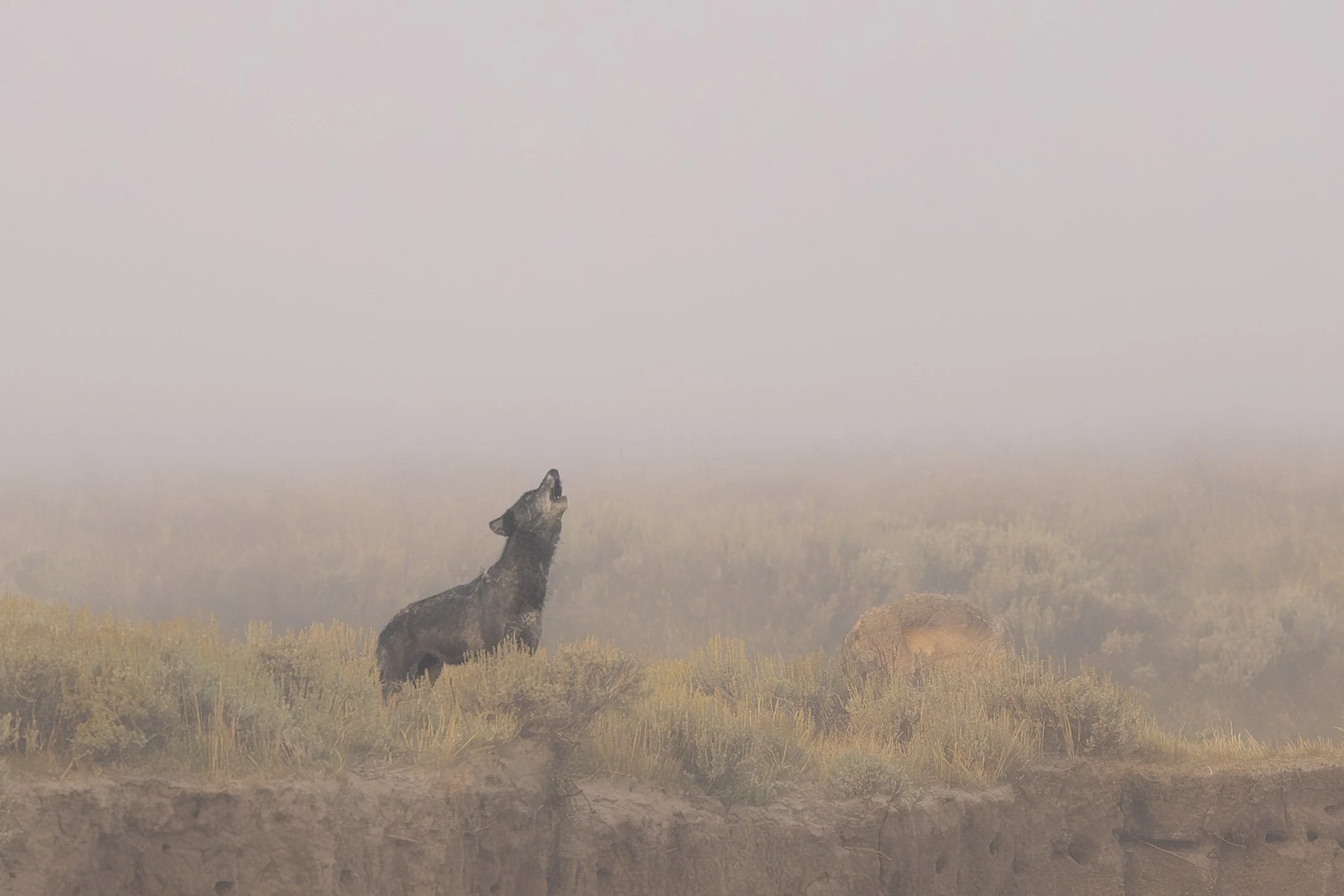
Ed Cannady photo.
Wildlife
Wildlife legislation continues working its way through the legislative process, with several bills advancing while others face amendments or delays.
Although HB 630 passed the House along party lines more than a week ago, it has yet to appear on the agenda in the Senate Agricultural Affairs Committee. We will urge committee members to raise some of the concerns raised by ICL and others.
SB 1300 cleared the Senate last week on a 21–14 vote and now heads to the House State Affairs Committee. We hope the House recognizes the importance of keeping wildlife management separate from partisan politics.
SB 1326 was sent to the 14th Order and has been receiving amendments. While we doubt these changes will meaningfully address the underlying concerns, we hope the Senate ultimately rejects the bill or that the effort can be stopped in the House.
SB 1241 also passed the Senate after receiving amendments and now moves to the House Agricultural Affairs Committee.
Meanwhile, HCR 026 stalled in the House and has been reintroduced in the Senate with amendments as SCR 124. While we have concerns about the changes, ICL still views the resolution as a positive step and appreciates Representative Petzke’s effort to engage on this topic.
Finally, the Idaho Department of Fish and Game’s rules were reviewed last week. Most were approved, but rules related to the taking of big game animals, specifically the use of certain technologies at certain times, failed in the Senate Resources and Environment Committee on a 4–5 vote. The rules were later held in committee and will be revisited at a later date.
We will continue tracking these bills closely and will provide updates as they move through their next hearings and votes.
Energy
HCR 032, “Energy Sovereignty,” was introduced last week. While there are some positive elements—such as support for geothermal energy, ratepayers, and "responsibly developed" energy—the resolution generally promotes energy production broadly, including the prioritization of natural gas and hydroelectric power. It also emphasizes energy sovereignty and private property rights while opposing Lava Ridge (with implied broader opposition to wind turbines). Because this is a resolution rather than a statute, it does not create law, but it does set a tone for how Idaho may address its growing energy needs in the future. Keep an eye out for our post on our Bill Tracker for more information.
SB 1368, “Public utilities, new large loads,” was introduced last week. While the bill is not specific to data centers, it is one of the many pieces of legislation being introduced this session to address their impacts in Idaho. Legislators are clearly hearing from constituents about concerns related to data centers, particularly the pressure they place on energy and water resources. We expect to see additional bills on this topic.
Public Lands
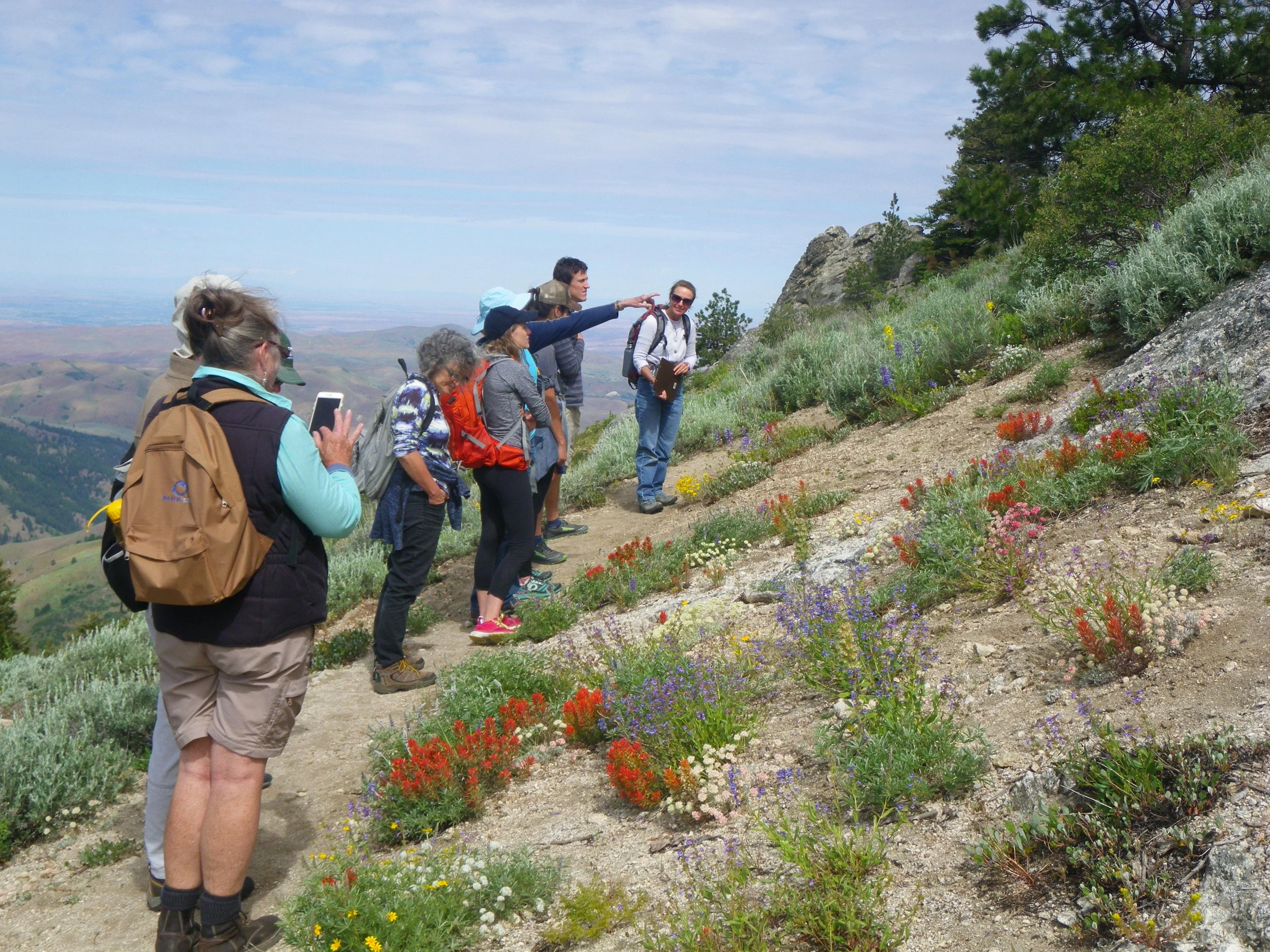
Public lands remain an active area of discussion at the Capitol.
SJM 111 passed the Senate floor on Thursday. The memorial urges Idaho’s congressional delegation to oppose efforts to sell or transfer national public lands and to support keeping these lands in public hands. We appreciate the Senate’s recognition of the importance of public lands to Idaho’s economy, culture, and identity.
Meanwhile, SJR 103 is still awaiting a vote on the Senate floor. As a proposed constitutional amendment, it would require a two-thirds majority to advance. We continue to have serious concerns about the resolution’s potential implications and hope lawmakers carefully consider the fiscal, legal, and long-term stewardship questions raised during testimony.
Last week also brought the introduction of SCR 123. The resolution recognizes the importance of pastoralism in Idaho and around the world and highlights the role that thoughtful national policies can play in supporting conservation and the sustainable use of natural resources.
As these proposals continue to move through the legislature, we will keep tracking developments and sharing updates as the picture becomes clearer.
Pesticides
So far, no Bayer-backed corporate immunity bill for pesticide chemicals has surfaced in Idaho. However, there has been a setback nationally. The congressional Farm Bill advanced out of the United States House Committee on Agriculture after stripping key environmental and public health protections related to pesticides—eliminating safeguards that date back to the Agricultural Adjustment Act of 1933.
ICL supported the Protect Our Health Amendment to the Farm Bill, led by Chellie Pingree (D-ME), which would have preserved three core protections. The bill ultimately passed without those provisions: judicial review when manufacturers fail to warn about pesticide risks; the right of local governments to regulate pesticide use with states; and site-specific safeguards for air, water, and land.
The bill now advances to the full House for a floor vote. We’re tracking it closely—stay tuned for a Take Action alert soon.
Budget
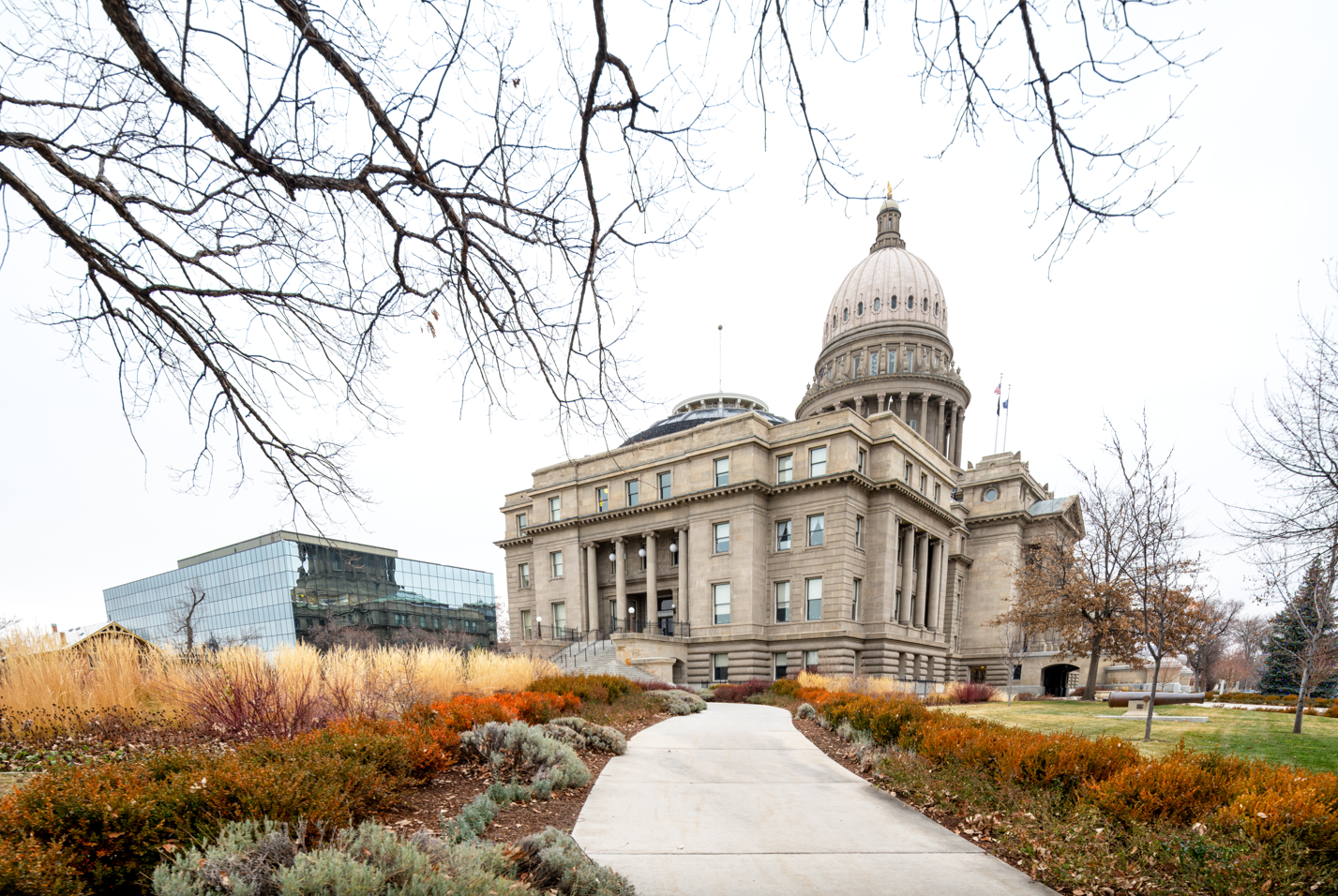
If you’ve checked the news lately, you know Idaho is facing a budget shortfall. After roughly $450 million in recent state tax cuts and another $155 million tied to federal tax conformity, the budget committee—the Joint Finance-Appropriations Committee (JFAC)—is making tough calls.
Last summer, Gov. Little ordered state agencies to cut budgets by 3%. JFAC added another 1% across-the-board reduction. The result: the Senate passed SB 1331 by a single vote, trimming the FY26 budget by 4%—about $192 million—and eliminating 110 state jobs.
A second bill targeting FY27 has yet to be introduced and is expected to spark another rift. Democrats favor tapping the state’s $1.3 billion rainy day fund to avoid cuts to public schools and rural health care. Some Republican senators support reductions but want agencies reviewed individually rather than cut across the board—a slower approach that could delay adjournment.
Idaho is constitutionally required to balance its budget before lawmakers adjourn sine die. Continued disagreement could keep the legislature in Boise longer than expected—while many are eager to head home and begin campaigning.
Alex’s Analysis
The session is starting to feel long. By this point in the calendar, fatigue begins to set in. The cadence of hearings, meetings, late nights, and constant bill tracking has a way of wearing people down, and burnout is a very real part of advocacy. But the work is not over. Some of the most consequential decisions of any given session often happen in the final stretch, which makes it all the more important to stay engaged even as energy dips.
As that fatigue creeps in, I try to refocus on why this work matters. Much of what we advocate for at ICL does not have a voice in the Statehouse. Wildlife, clean water, intact landscapes, and future generations do not have lobbyists of their own, and without people speaking up for them, those interests can easily be overlooked in the rush of the legislative process. Remembering that helps reset my perspective. Advocacy can be exhausting, but it is also necessary, and the closer we get to the end of the session, the more important it becomes to keep showing up
Listen of the Week
Last week, members of the Coeur d’Alene Tribe (Schitsu’umsh) witnessed passage of HB 789 in the House Resources Committee. This bill is tied to the long-running negotiations of tribal water rights dating back to 2008 between the Coeur d’Alene Tribe and the State of Idaho. The agreement affects stakeholders who rely on water from Lake Coeur d’Alene, protects tribal homelands, and resolves years of litigation over previously confirmed—but unresolved—tribal water rights. It also authorizes the creation of a new tribal water supply bank and allows the Tribe to lease water off the reservation.
In honor of the Coeur d’Alene Tribal women’s drum group, the Rose Creek Singers, this week’s listen is The Flag Song. Through music, the group preserves tribal cultural, social, and spiritual traditions. It was wonderful to see the brightly dressed women when they visited the Capitol last Thursday. Their performance in the rotunda echoed through the building—powerful and unforgettable.
