
Shared Waters: A Film for a Defining Moment for the Kootenai River
Pollution from five mountaintop removal coal mines in the Canadian Rocky Mountains is flowing downstream through the Elk River Valley of British Columbia, into the transboundary Koocanusa Reservoir, and then into the Kootenai River of Montana, Idaho, and beyond.
For decades, selenium and other contaminants from these mines have threatened water quality, fisheries, and Tribal cultural resources far downriver. Despite proven water treatment technology, and promises of improvement, the pollution problem is escalating.
But this is also a moment of extraordinary possibility.
After years of advocacy by the transboundary Ktunaxa Nation, governments on both sides of the border are finally engaged in an international diplomacy process to find solutions. At the same time, proposals to extend mining into the 2070s threaten to make the problem even worse.
It is this moment—and the people who have worked for decades to protect these waters—that we are documenting in our new film, Shared Waters: Ktunaxa and the Coal Mines. At the heart of Shared Waters is the Kootenai Tribe of Idaho and the larger transboundary Ktunaxa Nation.

The film begins with Kootenai Tribe of Idaho Vice Chairman Gary Aitken Jr., who tells the remarkable story of his grandmother, who was the Tribe’s Chairwoman in 1974, leading the Tribe to declare war on the United States government. At the time, the Tribe had dwindled to fewer than 70 members and was struggling without basic services. They needed a reservation order to get help, and their needs were being ignored. Their “war of the pen” ultimately helped secure a reservation and access to services—and demonstrated how thoughtful and committed action can change the course of history.
That history provides a powerful backdrop for the struggle unfolding today.
For the Ktunaxa, the Kootenai River is not simply a body of water. It is part of a homeland that predates the international border and sustains culture, fisheries, wildlife, and communities throughout the watershed.
Shared Waters first takes you upstream to the Elk Valley, where enormous open-pit coal mines have transformed the landscape. Rain and snowmelt move through massive piles of waste rock, picking up selenium and other contaminants and carrying them into groundwater, creeks, and eventually the Elk and Kootenai Rivers.
The film then follows that pollution downstream—and shows what stands to be lost.

Pollution from massive mountaintop removal coal mines, like the Fording River mine pictured here, threatens to undermine the Kootenai Tribe of Idaho's restoration efforts. ICL is calling on the governments of British Columbia and Canada to ensure the pollution is curbed at the source. Siobhan Williams/Wildsight photo.
A remarkable restoration story now at risk
One of the most hopeful parts of this story is what has already happened on the Kootenai River.
For decades, the Kootenai Tribe of Idaho has invested hundreds of millions of dollars restoring habitat and rebuilding native fish populations devastated by dams, dikes, and other historic changes to the river.
The results are remarkable. Burbot, once functionally extirpated from the river, have recovered enough to again support Tribal subsistence and recreational fisheries. An ambitious hatchery program is helping endangered Kootenai River white sturgeon survive while long-term habitat restoration continues.
In the film, we see the scientists and Tribal leadership behind this work. We also see why increasing contamination from hundreds of miles upstream is so troubling.
After decades of work to bring a river back to life, should that recovery be jeopardized by decisions made in British Columbia?
That question drives Shared Waters.
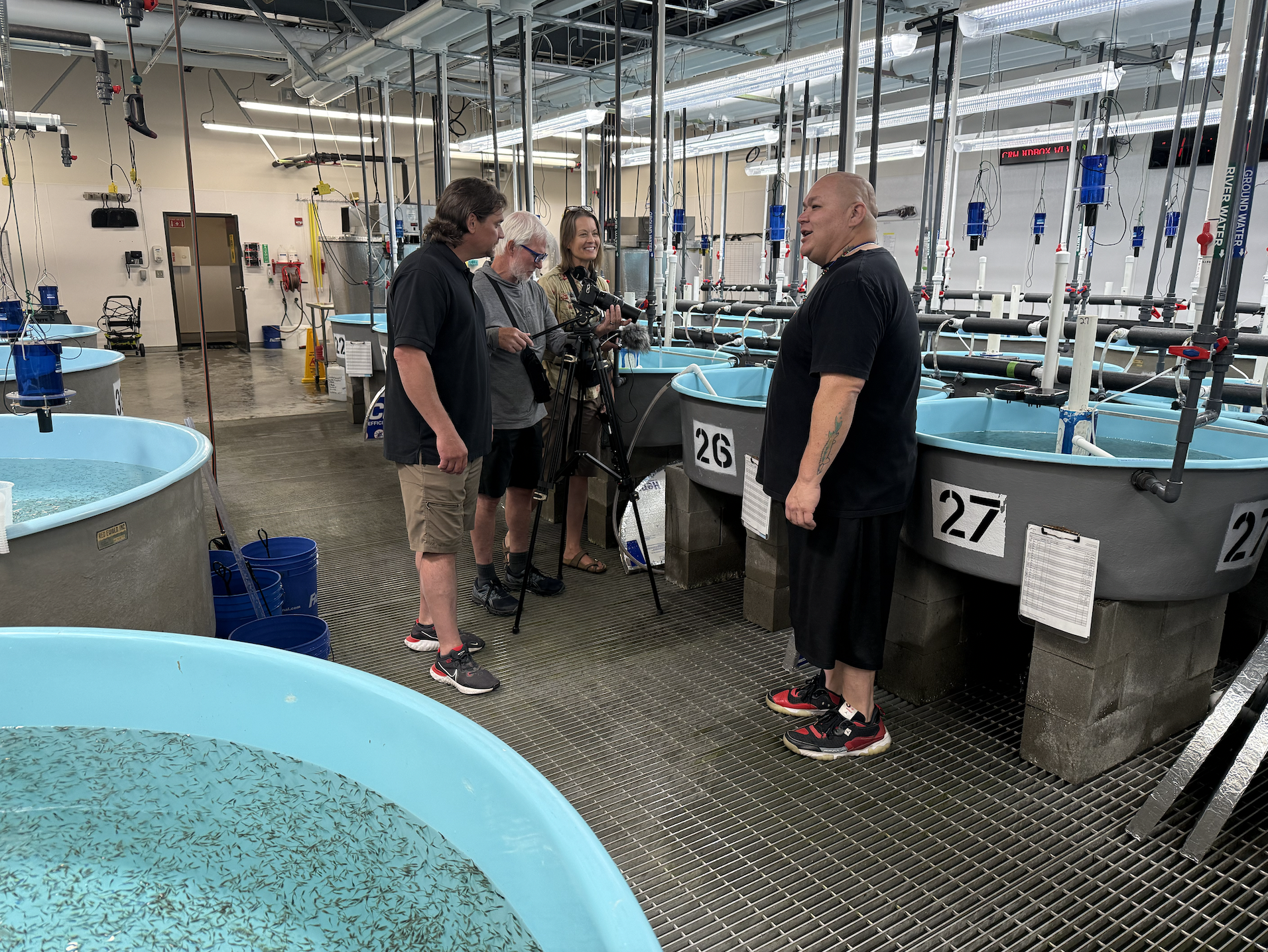
The Kootenai Tribe of Idaho has worked for decades to bring the endangered Kootenai River white sturgeon back from the brink of extinction. It was fascinating to interview tribal staff, and Vice Chairman Gary Aitken Jr. about the successes they are seeing. (From left to right; Nathan Jensen, Fish and Wildlife Department Director, Kootenai Tribe of Idaho; Jimmy Matlosz, cinematographer; Jennifer Ekstrom, ICL's Kootenai River campaign lead, film director and producer; Gary Aitken Jr., Vice Chairman, Kootenai Tribe of Idaho.)
A historic opportunity for change
After years of pressure from the Ktunaxa Nation, Canada and the United States referred the Elk–Kootenai water pollution dispute to the International Joint Commission (IJC) under the Boundary Waters Treaty of 1909.
For the first time in the treaty’s history, Indigenous governments have their rightful seats at the negotiation table. The Kootenai Tribe of Idaho, Confederated Salish and Kootenai Tribes, and Ktunaxa First Nations in Canada are participating alongside federal, provincial, and state governments to help determine the path forward for the watershed.
We are approaching an important milestone in their process: The IJC is anticipated to release a draft report for public review and comment. This will be an important opportunity for people to learn what the Commission’s investigation has found, and make their voices heard before the action plan is drafted.
The timeline for the International Joint Commission's (IJC) diplomacy work under the Boundary Waters Treaty has shifted since this blog was published.
A public comment period on the IJC Study Board's draft report, previously scheduled to begin on September 28th, has been postponed. We'll share an update when we know more about this opportunity for public participation.
Once the public comment period concludes, the final report will be sent to the International Joint Commission for review. After the IJC reviews that report, the responsible governments will have six months to develop an action plan to address pollution in the Elk/Kootenai/y watershed.
The process raises a critical question: once the action plan is drafted, will governments actually implement it?
That is where continued public engagement will matter the most!
Sign up for Shared Waters emails and we will keep you informed as opportunities to engage arise!
Why this film, and why now
We are producing the Shared Waters film because this complex story urgently needs to reach beyond regulatory processes, scientific reports, and government meeting rooms.
A film can do something those proceedings and documents cannot.
It can take viewers into the Elk Valley and show the immense scale of the mines. It can bring them onto the Kootenai River with the people restoring sturgeon and burbot. It can allow Ktunaxa leaders to explain, in their own words, why these waters and fish are inseparable from culture, identity, and responsibility.
And it can show audiences that the outcome of this story has not yet been decided—it is up to each of us to engage in it.
That is particularly important because new mining proposals are moving forward even while the IJC process is underway. Glencore’s proposed Fording River Extension would expand mining onto Castle Mountain and extend operations for decades. Other coal projects are also under consideration.
Allowing substantial new sources of pollution before the existing problem is brought under control could undermine the very international process, created over a century ago, that is seeking solutions.
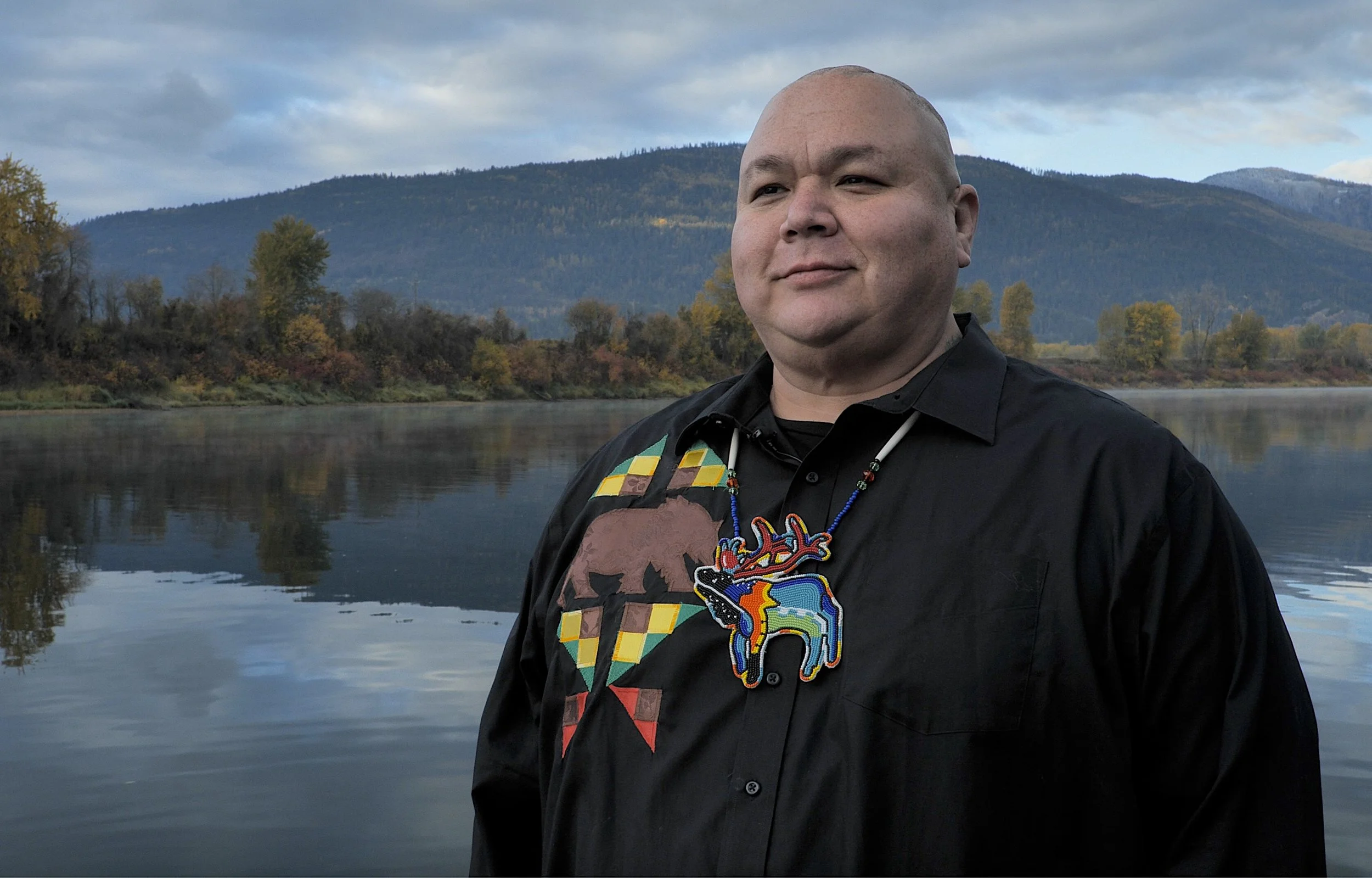
Gary Aitken Jr, the Kootenai Tribe of Idaho's Vice Chairman, is at the forefront of their effort to save the Tribe's fisheries and culture.
From film to action
Our goal is for Shared Waters to do more than document this moment. We want the film to help shape it.
As the IJC process moves toward recommendations, ICL and our partners plan to bring Shared Waters to communities throughout the watershed and beyond. Screenings will create opportunities for audiences to hear directly from Tribal leaders, scientists, and advocates—and to understand what actions governments can take to protect the Elk-Kootenai watershed.
This is ultimately a story about accountability, but it is also a story about hope.
The Kootenai Tribe has already demonstrated the power of a moment when their people refused to accept the loss of their land, culture, and future. They have also demonstrated that damaged ecosystems can recover when people commit themselves to the work.
Now we face another defining moment.
Shared Waters is our effort to make sure people understand what is at stake—and know that they have a role in determining what happens next.
Follow along, learn more, and find a film screening near you on the film website sharedwatersfilm.org.