
ICL Legislative Update: With 406 bills and more coming, the real work begins
Week six marks the Legislature’s unofficial halfway point. The first group of student pages heads home, the second steps in.
The bill introduction deadline has passed, so committees will now turn to hearings and votes. But don’t be fooled—we have not seen the last of this session’s legislation. More bills are coming, and some may be our most challenging this session.
There are currently 406 pieces of legislation posted online. A few are revised versions of earlier bills, but most are new. Now the real work begins as committees take them up for debate and votes.
This is when we’ll call on you. Your emails, phone calls, and testimony matter. The temperature may rise, but we’ll take each issue as it comes—steady, focused, and speaking clearly about what’s at stake. Here’s a look at the latest.
ITD photo.
Wildlife
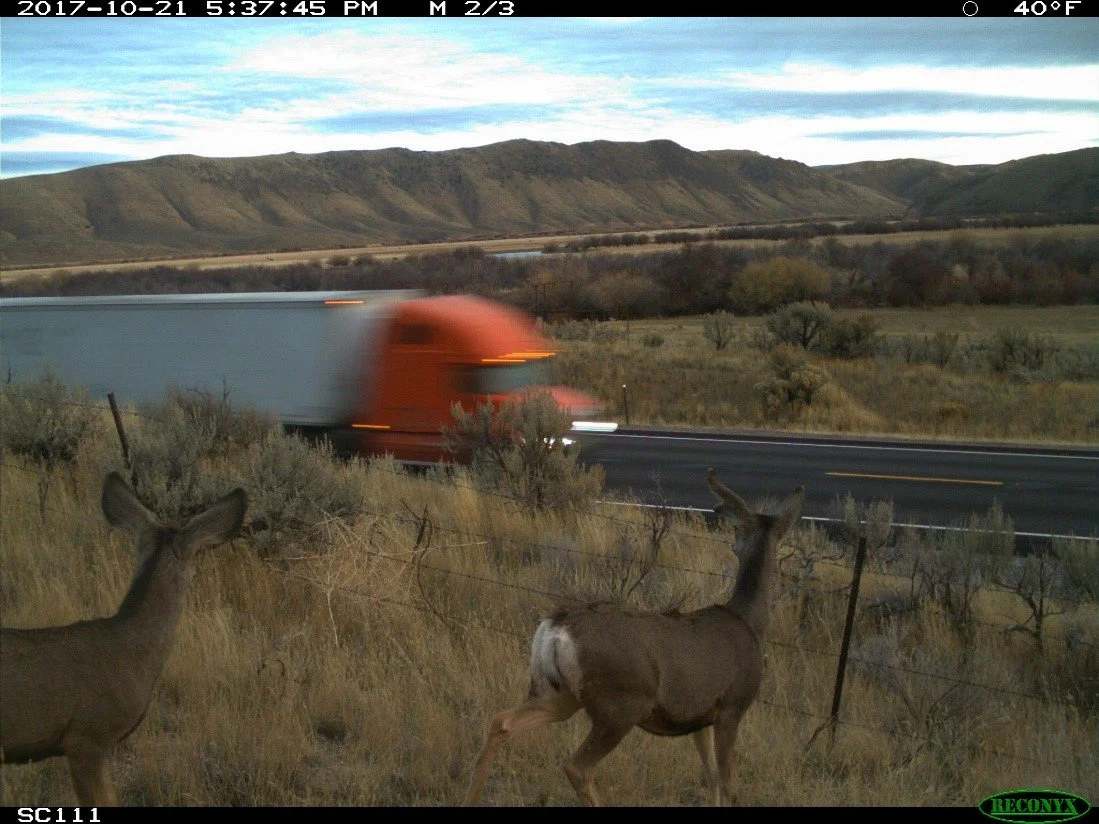
Over the last couple of weeks, we have seen a flurry of proposals touching nearly every corner of wildlife policy. Lawmakers have introduced bills that would clog up wildlife relocation efforts, hinder conservation officers’ ability to enforce regulations, and open the door to greater political influence over the IDFG and other independent departments. Other proposals would weaken certain requirements for wolf trappers, restrict hunting blinds on public lands, and increase the amount top claimants can receive through depredation payments. And that is in addition to the efforts we highlighted last week, including wildlife crossings and the proposal to make hunting the official state sport of Idaho. In short, wildlife policy is moving quickly and in many directions.
At ICL, we recognize wildlife as both a public resource and a significant economic driver for our state. Healthy wildlife populations support our outdoor culture, tourism, and local economies across Idaho. But wildlife is more than a line item in a budget. These animals shape our shared sense of place and bring beauty, excitement, and meaning to our lives. They also hold intrinsic value, independent of economics or politics.
As our state continues to grow and change rapidly, pressures on wildlife habitat and management decisions will only increase. That is why it is so important that wildlife policy be approached thoughtfully, grounded in long-term thinking, and attentive to the needs of all Idahoans as well as to the well-being of the animals themselves.
We are tracking each of these bills closely. Stay tuned for ways to get involved as these proposals move forward.
Energy
Energy policy is another area where a lot is in motion, but much of it is still out in the ether.
We expect to have a more substantive update next week on data centers, plug-in solar, and renewable energy proposals as conversations solidify and hearings move forward.
In the meantime, House Bill 676, which we support, is expected to have a hearing this week. The bill would clarify how municipally operated geothermal heating and cooling systems are treated under Idaho water law, while maintaining important safeguards.
And if you have not already, we encourage you to take action on data centers by voicing support for HB609, which will help protect Idaho families and small businesses while ensuring responsible growth. These conversations are unfolding quickly, and your voice matters! Take action today and stay tuned for more.
Public Lands
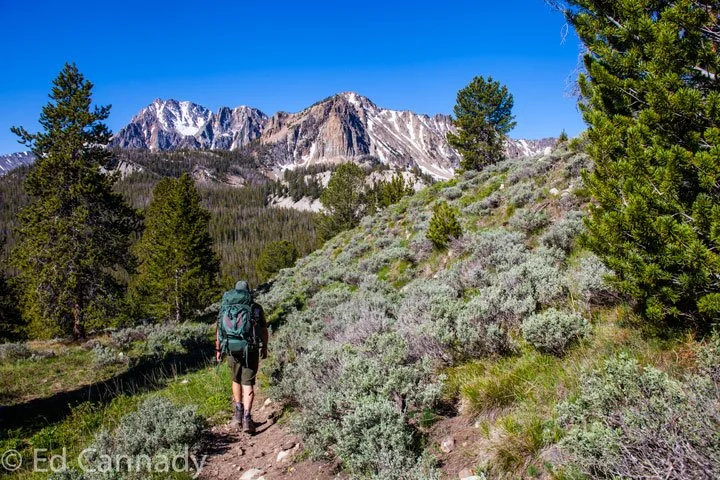
Public lands continue to anchor some of the biggest conversations this session, and this week, we have more clarity.
Representative Britt Raybould’s proposal was amended and reintroduced as House Joint Resolution 010 (HJR 010). The second subsection from the original version was removed. The revised resolution proposed amending the Idaho Constitution to adjust how state endowment lands are managed; namely, by focusing on ongoing revenue generation and protecting the public’s access to recreate, hunt, fish, and trap, while prioritizing those interests over the sale or exchange of such lands.
By removing the second subsection, which would have applied this management structure to any future lands acquired from the federal government and created a new fund for revenues generated from those lands, many of our core concerns were addressed. While there were still improvements we would have welcomed, ICL was officially in support of HJR 010. Put simply, we believed the benefits of this amendment outweighed the potential downsides.
Unfortunately, some Representatives felt differently. In the House State Affairs Committee meeting this morning (2/23), HJR 010 failed to advance on a 7–7 tie vote. Because it did not receive a majority vote to move forward, the resolution will not be sent to the House Floor and will not appear on the ballot for Idaho voters this election cycle.
While we are disappointed in the outcome, we remain encouraged by the broader conversation this proposal sparked about how Idaho manages and values its public lands. Conversations about stewardship, access, and long-term responsibility do not end with a single committee vote.
Last week also brought the introduction of Senate Joint Memorial 111 (SJM 111). This memorial urges Idaho’s congressional delegation to oppose efforts to sell or transfer national public lands and to support keeping public lands in public hands. It highlights the economic, cultural, and recreational importance of these landscapes and recognizes that once sold, they are lost forever.
We strongly support SJM 111. It reflects a clear commitment to the idea that public lands belong to all Idahoans and should remain accessible to current and future generations. At a time when proposals to transfer or dispose of public lands continue to surface nationally, that message matters.
As always, we are watching these developments closely. With the bill introduction deadline behind us, we expect more definitive movement in the coming weeks. We will continue to share updates, context, and opportunities for engagement as the future of Idaho’s public lands takes shape.
Pesticides
No pesticide bill has been introduced in Idaho yet. We are on high alert and expect one could drop at any time.
There was good news out of Wyoming, where a similar bill died before it even reached committee. This is a significant win. Meanwhile, North Dakota and Georgia passed corporate immunity legislation in 2025, and eight other states are considering similar proposals at various stages this year.
Last Thursday, President Donald Trump issued an Executive Order titled “Promoting the National Defense By Ensuring An Adequate Supply of Elemental Phosphorus and Glyphosate-Based Herbicides.” The order argues that phosphorus is essential to military supply chains—including certain lithium battery systems—and that glyphosate-based herbicides are critical for rapid food and livestock feed production.
In a surprising twist, Robert F. Kennedy Jr. voiced support for the effort, disappointing many in the MAHA (“Make America Healthy Again”) movement who expected a different stance.
Coincidence or not, similar language appears in a congressional Farm Bill set for committee markup beginning today. ICL has issued a Take Action alert so you can speak up for public health and the rights of Idahoans.
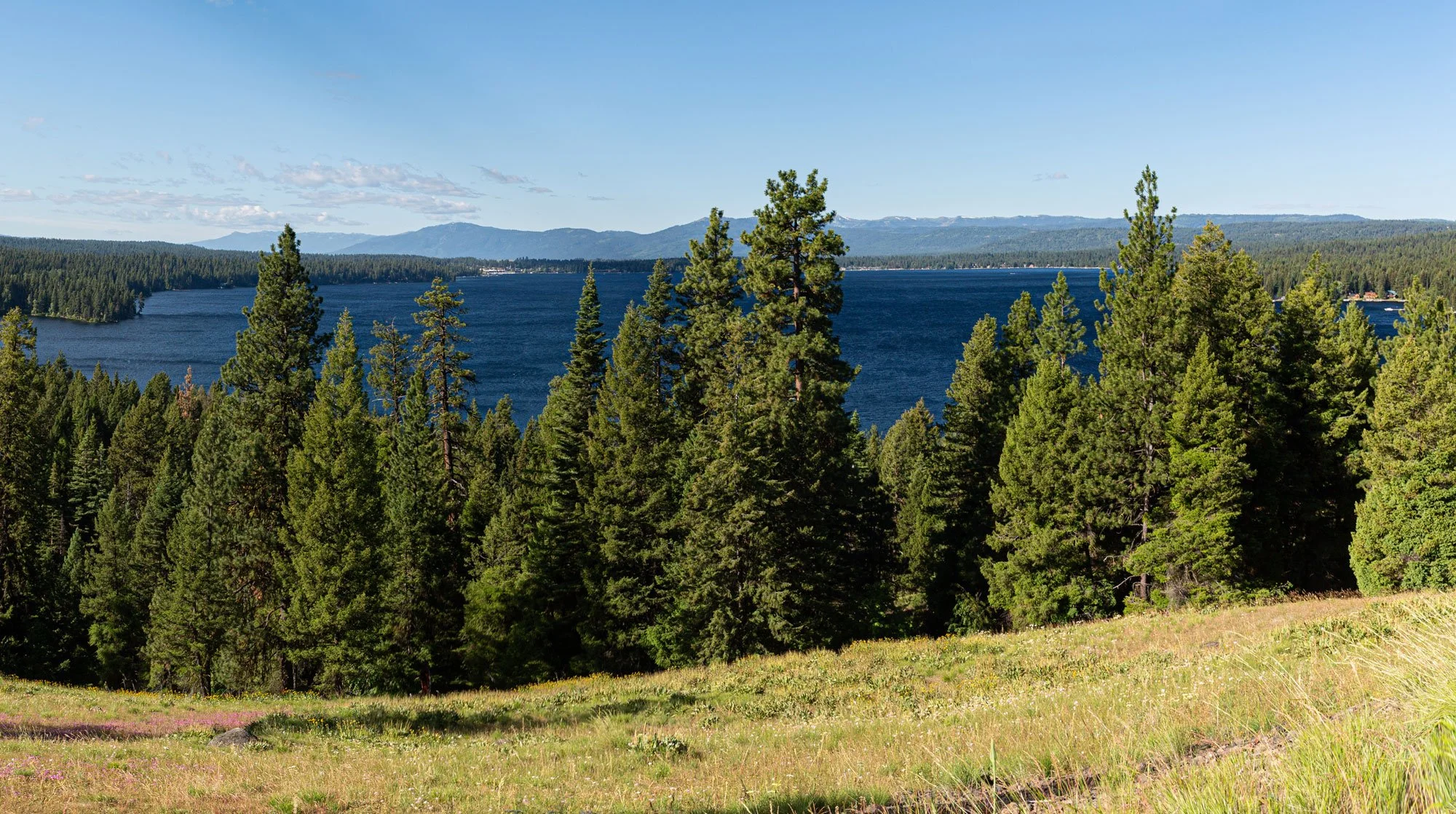
Payette Lake in McCall.
Idaho Land Board
While much of the public lands debate has played out in legislative committees, another important conversation unfolded last week at the Idaho Land Board meeting.
The Idaho Land Board—made up of Brad Little, Raul Labrador, Phil McGrane, Brandon Woolf, and Debbie Critchfield—has one constitutional mandate: to manage Idaho’s endowment lands to maximize long-term financial return for public schools and other beneficiaries.
That responsibility was front and center.
Board members were nearly unanimous in expressing concern about the public lands constitutional amendments introduced this session. Their questions centered on whether the proposals could conflict with the Idaho Admissions Act, whether the changes were moving too quickly without sufficient vetting, and whether constitutional amendments were necessary at all given that the Land Board already balances public access alongside its fiduciary obligations. There was also a broader sense of uncertainty about what unintended consequences could follow such a structural shift.
Notably, many of these same concerns surfaced again in committee discussions this morning (Monday, Feb. 23) and contributed to the tie vote that prevented the amendment from advancing.
Ultimately, the discussion was less about HJR 010 or SJR 103 and more about how Idaho defines responsibility, risk, and long-term stewardship of lands that belong to all of us.
Transportation
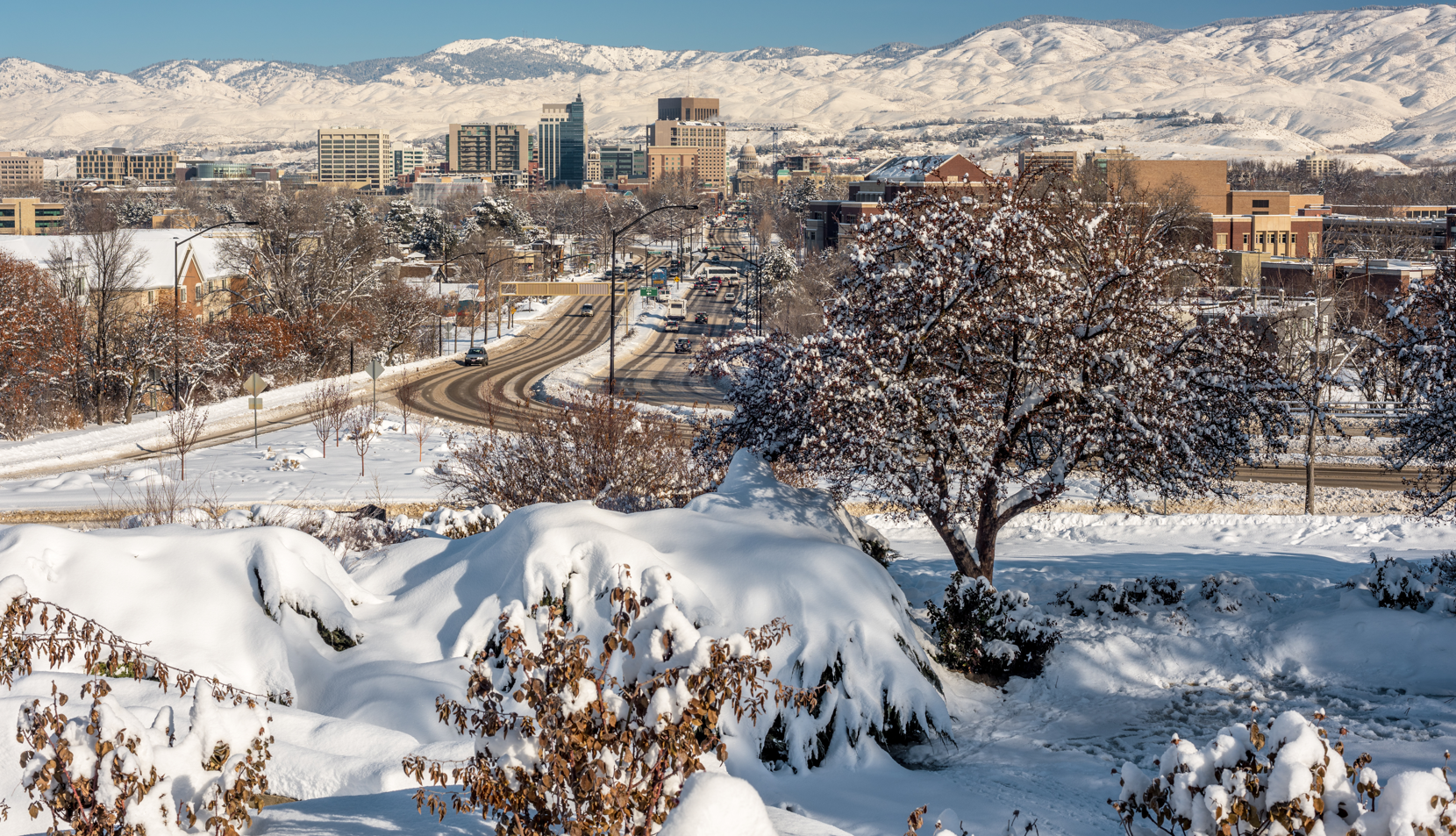
Several bills this session would change how Idahoans use their roadways.
The most egregious is SB1302. It would require Ada County Highway Commissioners to declare party affiliation and run in partisan primaries. Commissioners would represent only the district where they live, yet every Ada County voter could cast a vote in each of the five districts. The move appears aimed at reshaping the current Commission over disagreements about road safety interpretation—politicizing roads and road users in the process. We would rather see commissioners focused on safety outcomes, not party labels.
On a more positive note, Rep. Chris Mathias’s (D-Boise) HB500 strengthens Idaho’s Due Care law by explicitly requiring motorists to exercise caution around electric bike riders—and requiring e-bike riders to do the same for drivers. The bill was inspired by a young man struck in a bike lane by a vehicle turning into an alley. HB500 has passed both House and Senate Transportation Committees and now awaits a vote on the Senate floor.
Alex’s Analysis
When this session began, it felt almost quiet, or even eerie. That has changed.
Last week alone, more than 100 bills and resolutions were introduced, some of them rewriting entire sections of code. Part of my role is to read all of it. To trace the implications and ask what changes, who benefits, who bears the cost, and what it means for Idaho’s future.
At times, that process is heavy. Many proposals are, to put it nicely, misaligned with long-term stewardship. They often prioritize narrow interests over broader public benefit. As we all know, this is nothing new, but it is still jarring to see it spelled out in policy jargon.
There are moments when it feels like the deck is being stacked, when the pace alone seems designed to exhaust scrutiny. And yet, this is precisely when the work matters most.
Here, critical analysis is not abstract or academic. It shapes real policy that affects Idaho’s public lands, wildlife, water, and communities. Having the opportunity to immediately apply this skill to something that matters so deeply to all of us is invigorating.
Arguably, the antidote to chaos is careful attention. Scrutiny matters. Showing up matters.
This session is accelerating. So are we.
Listen of the Week
After a week where wildlife was the dominant theme at the Capitol, and with this musical currently playing at the Morrison Center, we thought it was fitting to turn to a different kind of conversation about animals. This week’s Listen of the Week is the NPR Tiny Desk Concert performed by the Broadway cast of The Lion King.
Stripped down to a small room with live musicians, the performance is powerful and intimate; a reminder of how deeply stories about wildlife shape our imagination. This story about responsibility, belonging, and the interconnectedness of landscapes and life feels especially timely as we navigate real conversations about stewardship here at home.
If you need a few minutes of something beautiful and energizing to start your week, this one is worth a listen.
