
ICL Legislative Update: As March arrives, the worst bills are yet to come
After this last two-week sprint of bill introductions, the process is finally shifting gears. Bills are moving as hearings stack up and committee votes are happening.
But don’t relax just yet.
Introductions aren’t over. Bills can still surface in privileged committees through the final month of session—often at a slower pace, but often carrying the most contentious issues of the year. The ICL team remains sharp as agendas post vague start times. Things move quickly and it’s easy to miss something important. That’s the rhythm of this time of year so we remain vigilant.
On a brighter note—thank you to everyone who joined us at Payette Brewing Company in Boise last Monday for Kegs 4 Kause. It was a fantastic evening connecting with ICL members and partners. We’re always energized by the chance to meet the people who support our work, listen to your concerns, and strengthen our community that makes it all possible.
Wildlife
Much of the wildlife legislation we highlighted last week has now cleared its first committee and is either on the floor or has already passed its chamber of origin.
That means many of these bills are now crossing the rotunda to the other side of the Statehouse. As they move into new committees and onto new calendars, there may be additional opportunities to shape their outcomes.
While our ability to meaningfully influence legislation becomes more limited once it reaches the floor, we spent a great deal of time last week meeting with relevant legislators, state agencies, and partner organizations to strategize about potential actions in the days ahead. Much of this work happens behind the scenes: clarifying concerns, identifying possible amendments, and preparing for key committee hearings as these bills move into their second chamber.
We expect to have a more substantive wildlife update next week as those strategies begin to play out and clearer outcomes emerge. Stay tuned.

Energy
As more data centers come online, pressure on our energy grid is rising—and lawmakers are responding.
HB 676 updates water law to help municipalities expand geothermal heating systems. It’s a forward-looking fix and has already cleared the House. It now heads to the Senate.
Two additional bills target data centers directly: HB 609 requires data centers to pay their own electricity costs—an important step. But it stops short of addressing their significant water use. HB 612 focuses on small “plug-in” solar panels. These portable units, producing less than 1,200 watts, plug into a standard outlet and would be exempt from certain restrictions.
HB 756 installs guardrails on investor-owned utilities (IOU) as the need for energy explodes. This bill puts in guardrails to protect any new IOU existing customers from their rates spiking.
Energy demand is growing fast. The question now is whether these and future policies keep pace.
Public Lands
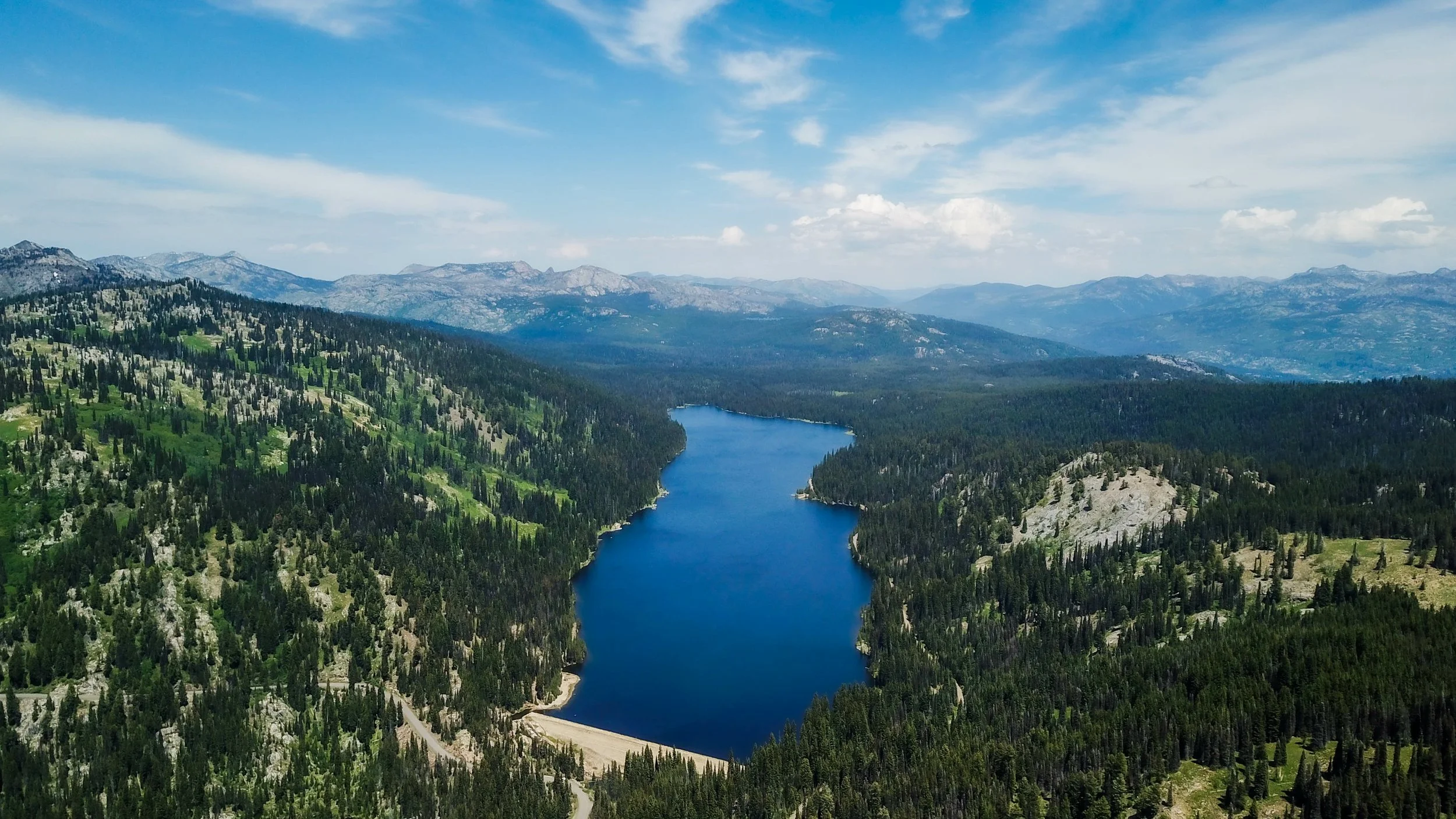
Public lands returned to center stage last week, and the outcomes were mixed.
The week began with an unfortunate loss. HJR 010, Representative Britt Raybould’s proposed constitutional amendment that would have created meaningful, immediate protections for Idaho’s 2.5 million acres of endowment lands, failed to advance. The Idaho Department of Lands and several members of the House State Affairs Committee voiced opposition, raising concerns about constitutional structure and fiduciary obligations. Those concerns carried enough weight to result in a 7–7 tie vote in committee, effectively killing the resolution before it could reach the House Floor.
Later in the week, attention shifted to SJR 103, Senator Ben Adams’ proposed constitutional amendment aimed at preventing the sale of national public lands Idaho might acquire from the federal government. The resolution received a hearing in the Senate State Affairs Committee on Friday. While the vast majority of public testimony opposed the resolution, and ICL joined many others in expressing appreciation for the intent alongside serious concerns about its execution and its potential to grease the wheels for Idaho’s acquisition of national public lands, the committee voted 6–3 to send SJR 103 to the Senate Floor.
It will now require a two-thirds majority in the full Senate to advance. We will be watching closely and hope lawmakers take seriously the structural, fiscal, and long-term stewardship questions raised during testimony.
As always, we will keep you updated as these consequential public lands proposals move forward.
Pesticides
As we anxiously await a corporate immunity bill in Idaho, ICL is stepping up on the national stage.
The markup of H.R. 7567—the latest Farm Bill—occurs this week in the U.S. House of Representatives. Originally slated for February 23, it was delayed to give the public more time to weigh in. And they did. Additional time has enabled people to let House members know that the current proposed Farm Bill only serves the interests of chemical manufacturers and agribusiness.
Nationally, our focus is clear: stop H.R. 7567. The bill undermines long-standing pesticide protections and shields corporations from liability. Instead, members of Congress are being urged to support the Opportunities in Organic Act—a forward-looking investment in farmers and safer systems. ICL recently spoke at the Grower’s Own Organic Farming Conference in Caldwell, where we outlined efforts by Bayer to block people harmed by chemicals from holding manufacturers accountable in court.
Meanwhile, on February 18, President Trump issued an Executive Order titled “To Promote the National Defense By Ensuring An Adequate Supply of Elemental Phosphorous and Glyphosate-Based Herbicides,” calling for increased glyphosate production. That’s significant. Glyphosate sits at the center of roughly 170,000 lawsuits against Bayer, which has already paid more than $11 billion in Roundup settlements.
The pressure is mounting—in Idaho and in Washington, D.C. We’re watching closely and staying engaged on every front.
Transportation
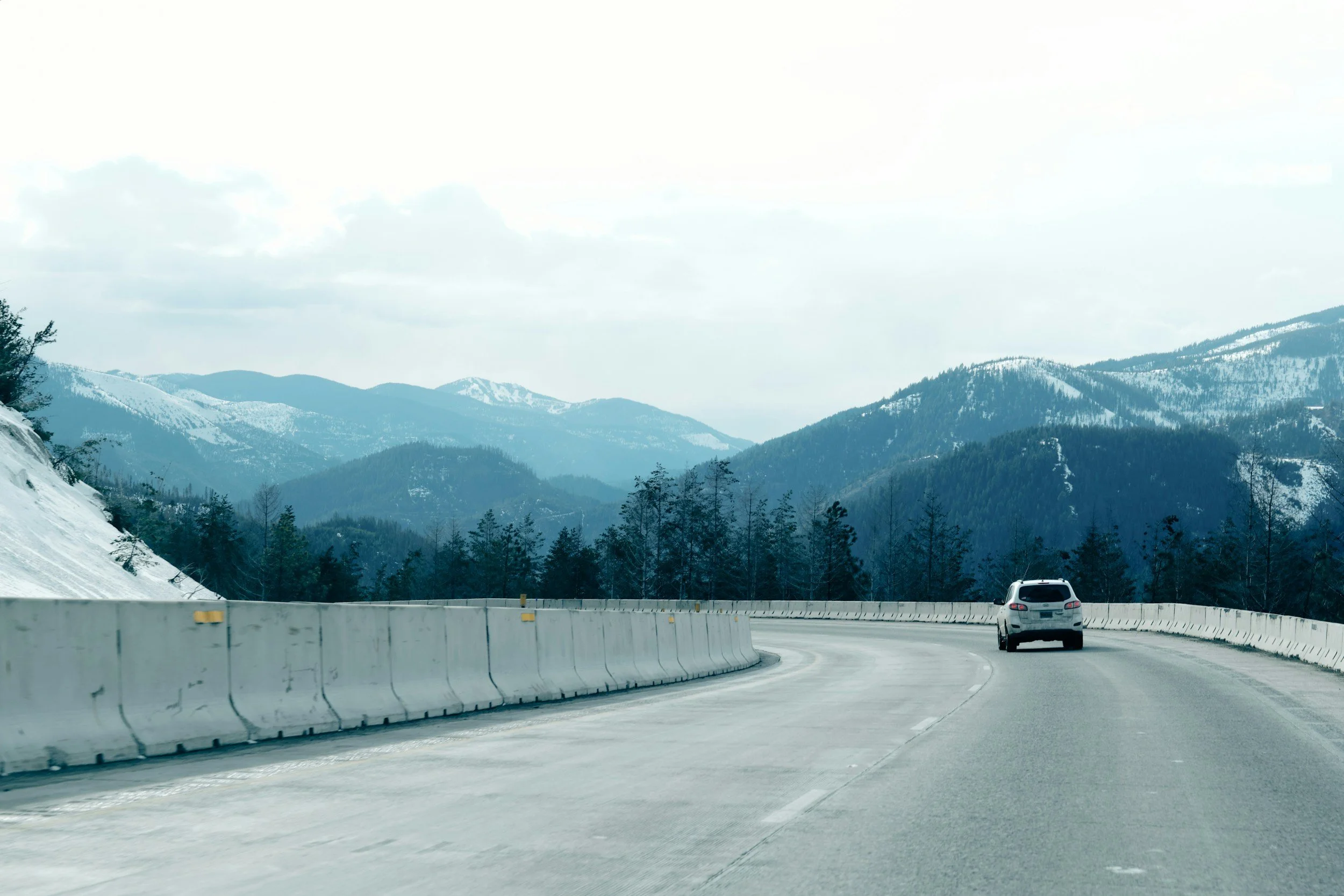
HB 664 would eliminate the freeway speed differential for large trucks—vehicles with five or more axles weighing over 26,000 pounds—and align them with the general 80 mph limit instead of today’s 70 mph cap.
Supporters argue the 10-mph gap fuels abrupt lane changes, tailgating, and road rage. Make speeds uniform, they say, and you reduce risky interactions. (Currently, 8–10 states still use differential limits.)
But here’s the twist: the trucking industry opposed the bill.
Drivers and company owners warned that higher speeds mean greater wear and tear, blown tires, longer braking distances, and added danger on wet pavement. One committee member who owns a trucking company bluntly described fully loaded semis as “bombs” moving down the highway, given the distance and time required to stop that much weight. His concern: faster heavy trucks will reduce, not improve, road safety.
Despite the opposition, HB 664 cleared committee on a 10–6 vote and now heads to the House floor.
Government
Last week, the ICL Government Affairs team began attending Senate State Affairs for a hearing on SB 1300, which aims to remove the authority of Idaho Fish & Game (and Idaho Parks & Recreation and Idaho Transportation Department) to hire their own directors. Rather, the Governor would appoint the Director for each.
In 1938, 76% of Idaho voters demanded politics remain out of wildlife management in Idaho’s first voter initiative. The Idaho Fish and Game Commission was created and Commission Districts were established. A merit system for hiring competent professional employees was inaugurated by its commission. It worked back then and it can work today.
Alex’s Analysis
Last week was a tough one.
Two of the most significant pieces of legislation went in directions I had hoped they wouldn’t. When that happens, it is tempting to replay every conversation, every meeting, every line of testimony and wonder what more could have been said or done. I am someone who likes to sit with ideas, dissect arguments, trace consequences, and adjust strategy accordingly. It is easy for me to spiral into counterfactuals.
But the legislative world rarely pauses long enough to indulge that instinct.
From the outside, the process is often criticized as slow and inefficient. From the inside, especially as part of a conservation organization, it often feels more like a frenzy. Hearings stack up, bills appear with little notice, and votes move quickly. There is rarely enough time to fully process one development before the next one demands attention.
For now, that means keeping my eyes forward. The next bill. The next hearing. The next opportunity to improve an outcome. Reflection is still happening, just in smaller, faster increments.
When the session ends, I look forward to stepping back and evaluating the broader strategies, the individual moves, and the lessons learned. That reflection will matter.
For now, the work is about momentum. Losses are part of the landscape. Persistence has to be, too.
Listen of the Week
“They’re Not Normal Like Us.” A clever 1999 folk tune by Rich Prezioso—and an apt soundtrack for any legislative session.
Because here’s the reality: bringing 105 people, each with different backgrounds, priorities, and lived experiences, together to pass sound state policy is no small task.
Every day, we sit down with legislators to discuss issues that matter deeply to us—but may not top their list. Our job is to make the case. To offer context. To show why another perspective deserves consideration.
It’s not easy. The biggest hurdle? Remembering that they are not normal like us—and to them, we are not normal like them.
So we lean into the work. We listen closely. We resist snap judgments. We build trust where we can. And we keep building alliances—one conversation at a time.
