
There is an opportunity to resolve upper Lochsa land ownership, and we should embrace it
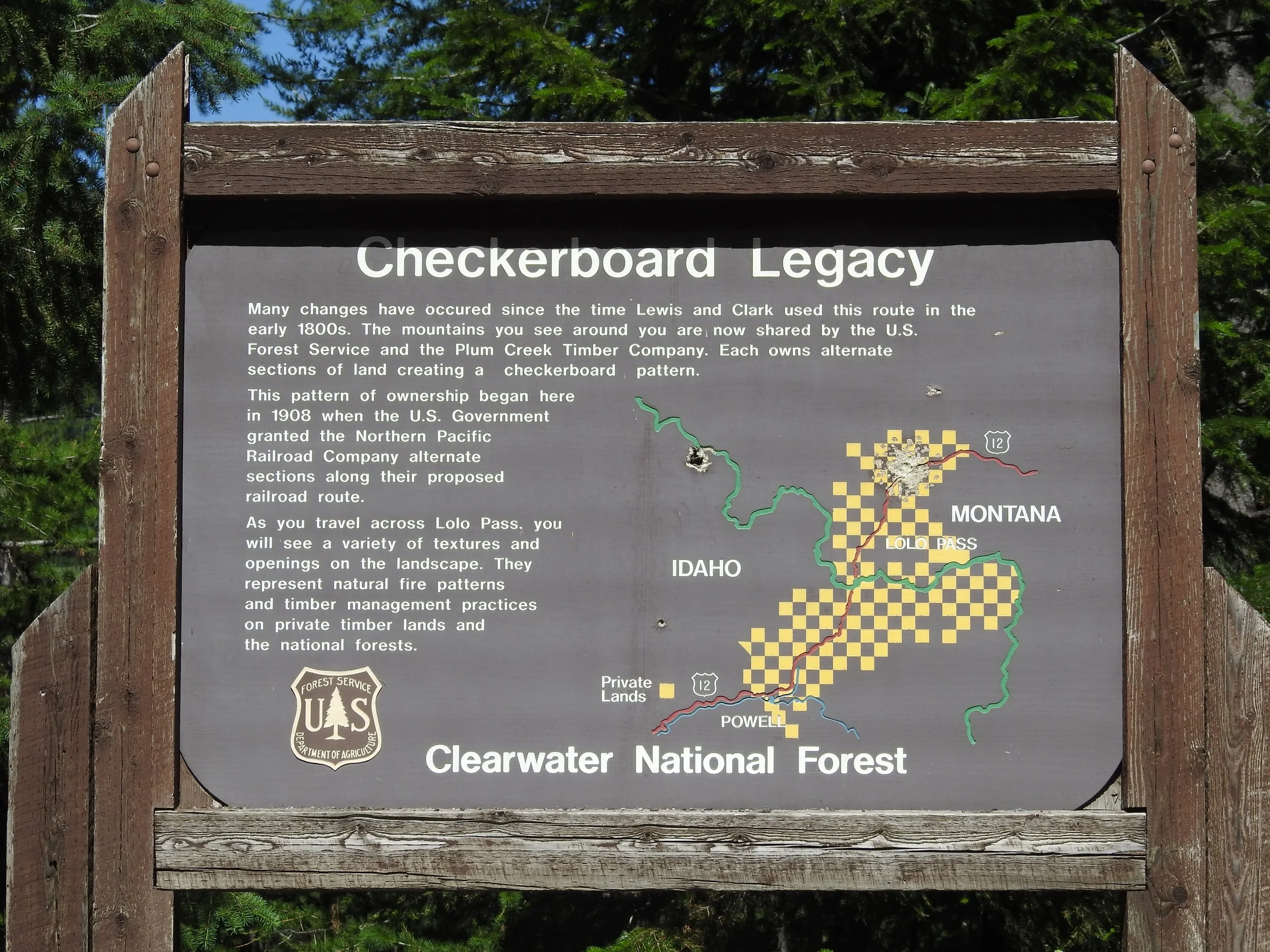
In 1864, the federal government awarded 46 million acres to railroads as a means to encourage the westward expansion and settling of the United States. The lands were offered as a means to help cover the cost of railroad construction, and several of the awarded parcels were located in the upper Lochsa watershed. Fortunately for us and the upper Lochsa ecosystem, the rail system through the region was never built. Unfortunately, the acquisition created a checkerboard of land ownership that continues to vex Idahoans with multiple owners and land management strategies.
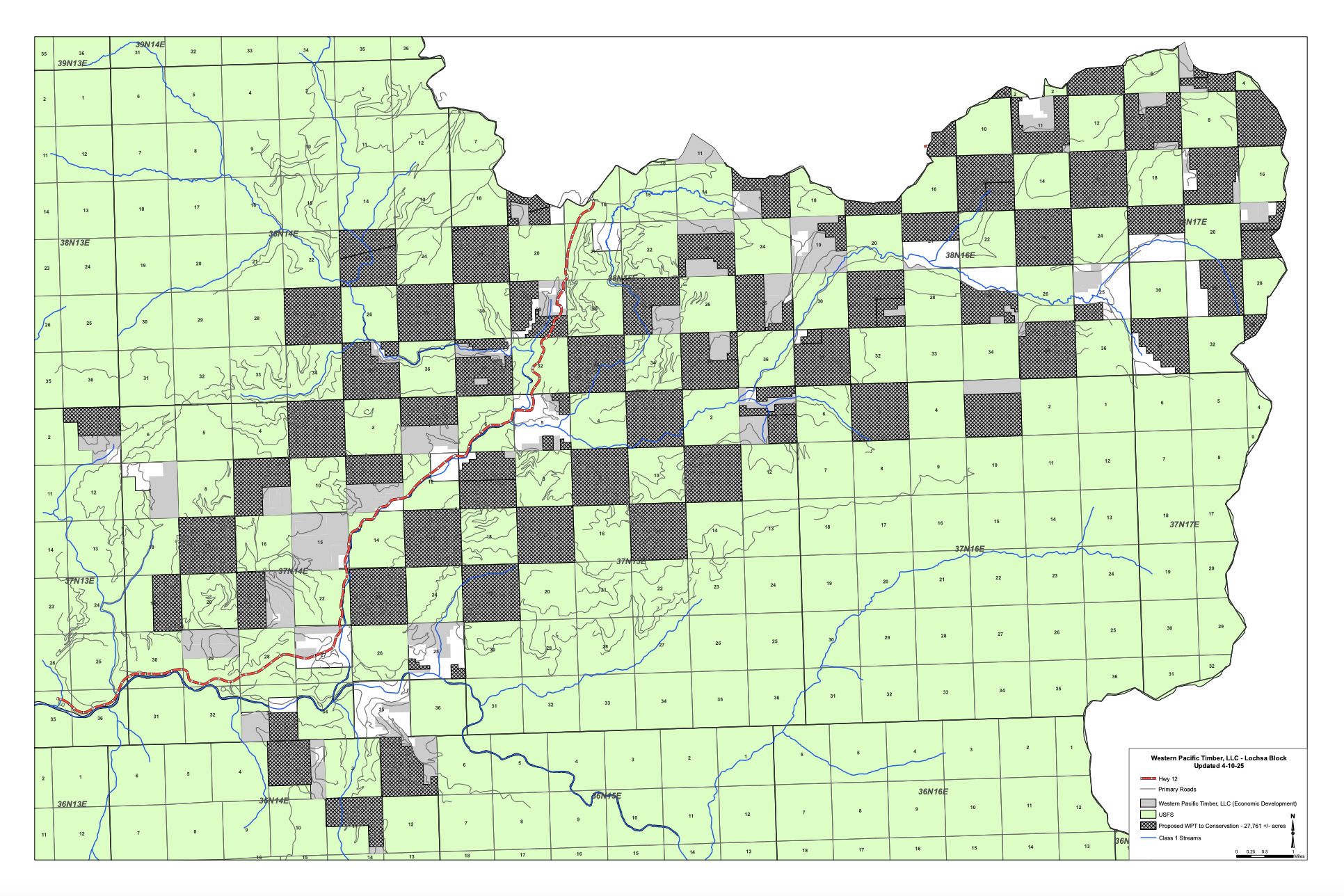
The convoluted private-public checkerboard land ownership in the upper Lochsa watershed has complicated land management efforts by state and federal agencies, the public, and the private timber companies for decades. The sections of land owned by the railroad companies (each section is 640 acres) were eventually sold to private interests primarily associated with the timber industry, the most recent of which is Western Pacific Timber (WPT). WPT’s plans were to initiate a land exchange that would result in the private checkerboard being consolidated into the Nez Perce-Clearwater National Forest while WPT would receive an equal value of timberlands from the national forest system. However, complicated state-federal exchange proposals are rarely popular with the public.
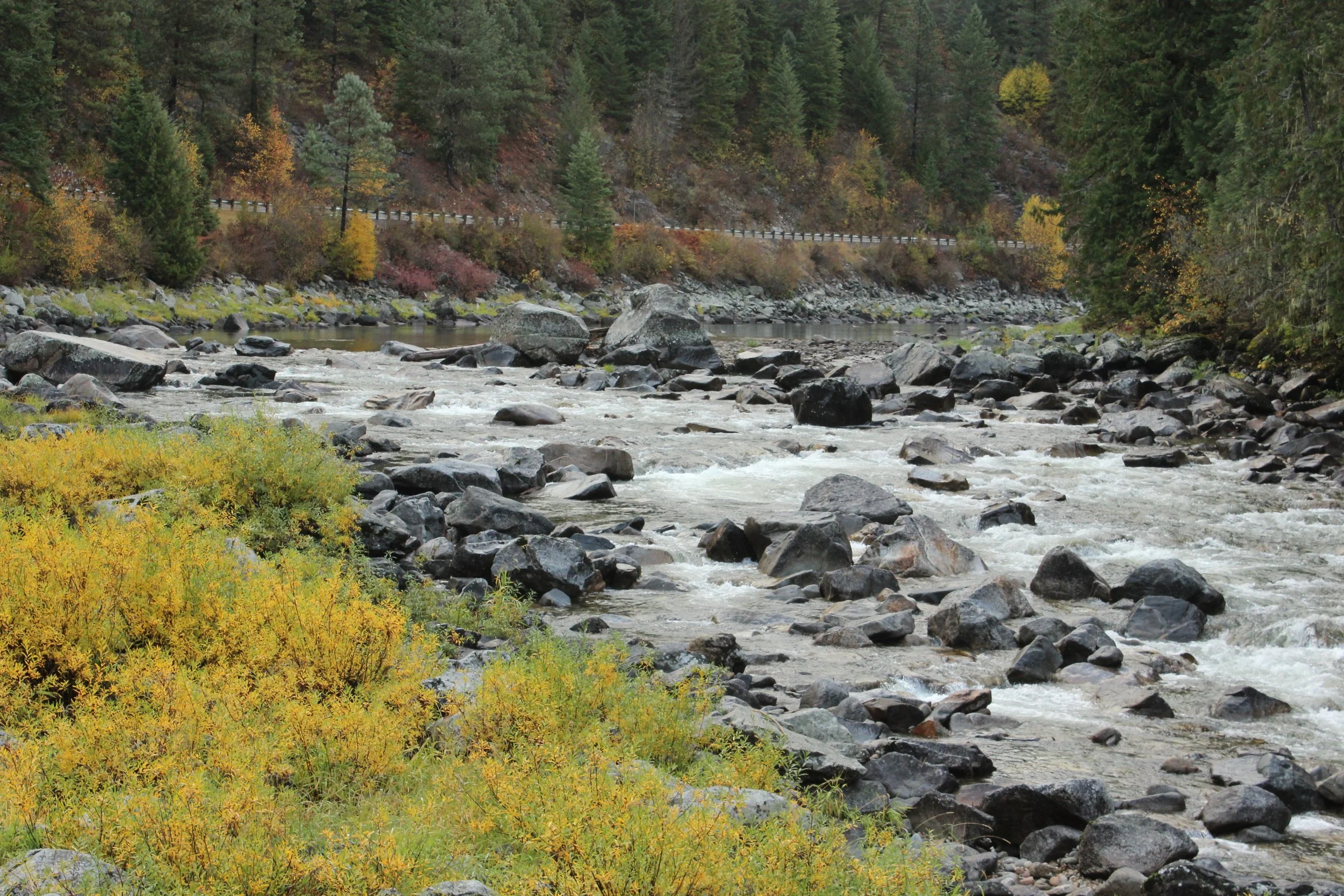
Lolo Pass and Lochsa River
A New Opportunity
The attempt to transfer these lands into public ownership through a land exchange was unsuccessful, primarily due to a lack of local support and concerns voiced by critical stakeholders. In the intervening years, wildfire risk has increased throughout the West and populations of Endangered Species Act (ESA)-protected fish species like Chinook salmon, steelhead, and bull trout have steadily declined. The threats to the upper Lochsa watershed, such as risk of uncharacteristic wildfires, habitat fragmentation, and water quality degradation, have only increased and will continue to impact fisheries, wildlife, recreation, access to public lands, and ecosystem health. A durable solution is needed that consolidates land ownership, eliminates the checkerboard land management challenges, provides certainty regarding access to public lands, and restores public confidence in management decisions by including all stakeholders in the process.
One family with deep ties to the Lochsa River and watershed did not wait for WPT, Congress, or local authorities to devise a secondary plan. While we are not naming the family right now out of respect for their privacy, three generations of the family picked up the pieces and began communicating with Idaho and Clearwater elected officials, the U.S. Forest Service, Western Pacific Timber, the Nez Perce Tribe, officials with The Conservation Fund, and Idahoans who value the Lochsa watershed to create a unique proposal—called the PG3 Upper Lochsa Acquisition proposal—that provides durable solutions for all the named stakeholders.
The PG3 proposal has 3 main components:
The purchase of 27,500 acres from WPT with those lands ultimately being transferred to the Nez Perce-Clearwater National Forest;
The withholding of roughly 6,000 acres centered around Powell, Idaho for future economic growth and development; and
The creation of an endowment for Idaho and Clearwater Counties to offset tax revenue loss from private lands moving into federal stewardship.
We believe that the PG3 Upper Lochsa Acquisition project can resolve many of the issues and threats that face this region, and we fully support the proposal to implement the PG3 acquisition through The Conservation Fund using Land and Water Conservation Funds (LWCF). Interestingly, ICL presented this very solution in a November 2015 blog. The purchase of roughly 27,500 acres from Western Pacific Timber and the subsequent transfer of that 27,500 acres to the Nez Perce-Clearwater National Forest is the best pathway toward consolidating land management in the upper Lochsa drainage. This is critical for land management practices as it will bring consistency in landscape-scale wildfire risk reduction, secure public access for recreation activities, and provide the means for ecological restoration of stewardship of critical wildlife and aquatic habitats. This proposal also restores subsistence hunting, gathering, and fishing by members of the Nez Perce Tribe and the greater community on public lands.
The second part of the proposal focuses on economic growth and development for the region. This component centers on Powell, and WPT will retain those lands and sell them for private and commercial uses, such as new homesites, business locations, or community development/growth opportunities. This is one of the most important compromises in the proposal as it provides Powell and Idaho County with the means for future growth and economic development.
One of the hindrances to the previous exchange was the loss of tax revenue to Idaho and Clearwater counties. The PG3 proposal has avoided this conundrum through the creation of a privately funded endowment to offset any lost tax revenue. This novel approach provides the assurances Idaho and Clearwater County elected officials need in order to fully support the proposal and keep it moving forward as a viable option.
Time is of the Essence
The PG3 Upper Lochsa land acquisition proposal may be the last chance to resolve the checkerboard landownership quandary in a way that provides a win-win solution for all stakeholders. Western Pacific Timber has indicated that if this acquisition doesn’t go through, then the company will move forward with plans to sell the 27,500 acres into private ownership rather than public stewardship. This would create a scenario similar to the situation found in west central Idaho where the Texas-based Dan and Farris Wilks purchased roughly 170,000 acres of former Boise-Cascade lands through their company DF Development.
For many generations, Idahoans benefited from open access to the Boise-Cascade lands, but when the lands moved into the private ownership of DF Development, not only was access revoked from the private lands, but numerous public land access and entry points became inaccessible and access to those lands beyond the public/private ownership line was lost. If the convoluted upper Lochsa checkerboard remains interspersed with sections of private land, access issues will continue, natural resources will remain under threat, and land management agencies will continue facing a significant wildfire response and mitigation threat.
ICL will continue our outreach to Idaho’s Congressional delegation to encourage and thank them for their support of the PG3 Upper Lochsa land acquisition project. We will also reach out to other members of Congress when and if they are identified as critical to the passage of the bill. ICL staff believes that this may be the last chance to resolve land ownership issues in the upper Lochsa watershed and Idaho cannot afford not to miss this opportunity.