
Service Replacement Studies Recap on the Lower Snake River
In late 2023, the federal government committed to studying the services provided by the four lower Snake River dams to better understand how those services could be replaced when a free-flowing river is restored. Shortly after, the Washington State legislature directed and funded state agencies to assist with these studies. In 2025, the federal government abandoned these commitments and the federal agencies' role in the studies.
Fortunately, the Washington State Legislature has continued to provide the resources needed to complete all of these studies by the summer of 2027.
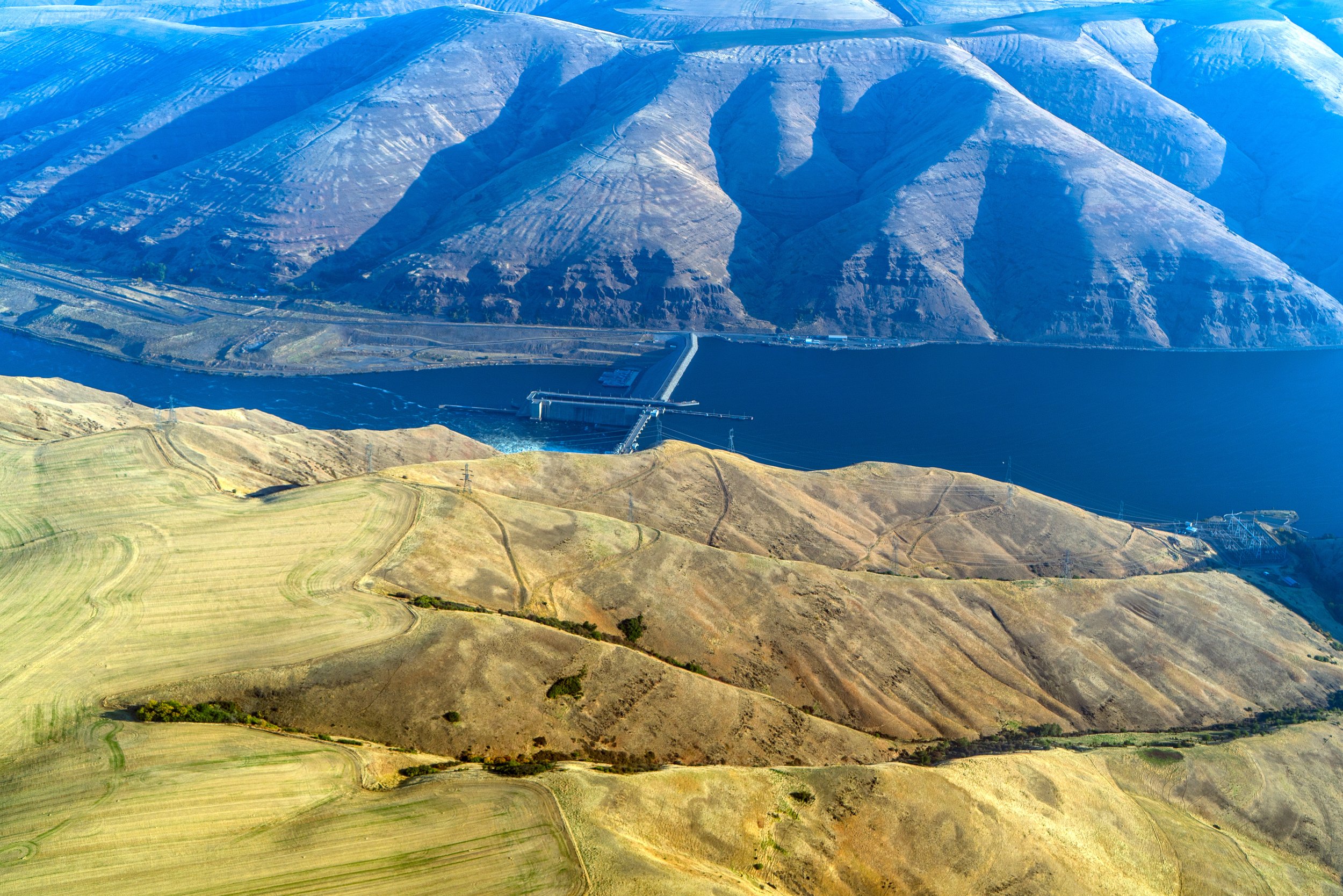
Lower Snake River and Lower Granite Dam. EcoFlight photo.
Water Supply Study - Irrigation
Final report expected fall of 2026
The Washington Department of Ecology partnered with the U.S. Bureau of Reclamation to study alternatives for irrigation and municipal water supplies in a restored river. These agencies released a draft report in late 2024 indicating sufficient water exists in a free-flowing lower Snake River to meet all current agricultural, municipal, and industrial needs year-round, even under low-water scenarios.
Transportation
Final WSDOT study expected December 2026
Recently, the Washington State Department of Transportation (WSDOT) shared updates on their study into rail and road transportation alternatives to barging along the lower Snake River. Transportation alternatives are essential for the wheat shipped downstream and the fertilizer components shipped upstream.
Opponents of dam removal often claim that a restored river would lead to more trucks on the road. However, initial modeling from WSDOT indicates that shifting from barges to trains could reduce annual truck miles by more than 18 million annually.
Recreation
Final study expected summer 2027
The Washington Recreation and Conservation Office held public workshops and surveyed current and future recreation users to better understand the current recreation opportunities and what a free-flowing river would provide.Recently, in 2026, the Washington State Legislature funded the next step, which would connect an economic analysis to the initial study. This would provide a better idea of the revenue that would be generated by expanded recreational activities, including how a free-flowing river would restore opportunities for a 140-mile multi-day river trip on the lower mainstem river.
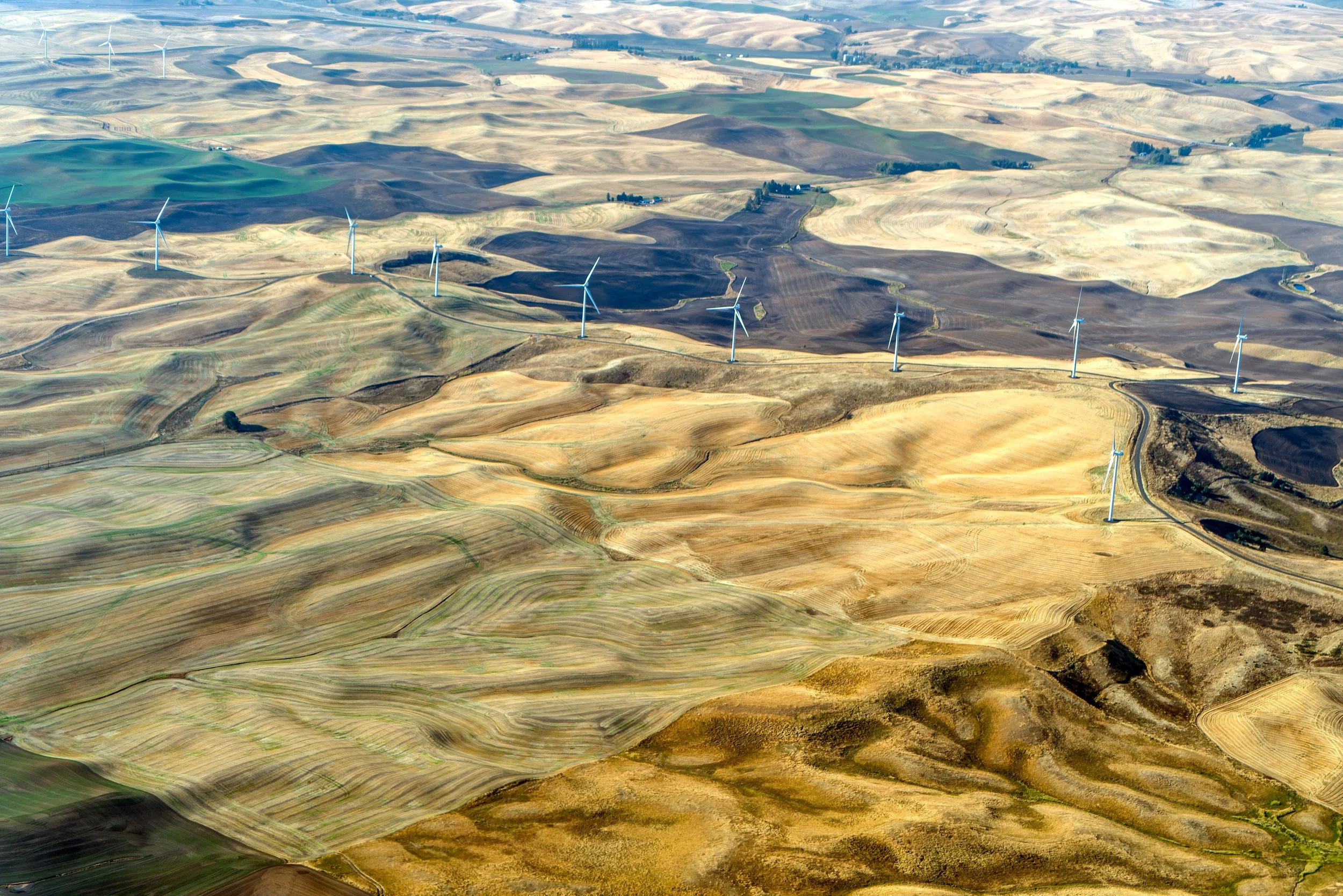
Wheat farms and wind farm near Rosalia, WA. EcoFlight photo.
Energy
Final study expected summer 2027
The Pacific Northwest National Laboratory had not completed its initial study when the federal government backed out of its commitment last year. However, their initial analysis found that, on average, the four lower Snake River dams produce an average of 700 megawatts each year, which is less than 4% of the Northwest’s total average power generation and much lower than their nameplate capacity of 3,000 mgw.
In 2026, the Washington Legislature funded the second step, a plan to generate and transmit cleaner energy to replace the 700 megawatts currently provided, consistent with the Columbia Basin Restoration Initiative (CBRI).
Together, these efforts are building a clear, fact-based roadmap for how a restored lower Snake River can continue to support agriculture, transportation, energy, and recreation. Once completed, these studies offer not only answers—but a path forward grounded in opportunity, resilience, and long-term benefits for the entire Northwest.