
ICL Legislative Update: Amendments drop, debates sharpen, and stakes rise
Bill introductions have picked up as the session enters the busy month of February. Now that we are covering multiple concurrent meetings, we are spending more time watching recordings in order to be sure we know what takes place in ICL’s germane committees. The two of us run from meeting to meeting and have long days covering the issues that all our members and supporters care about. Two pre-session predictions we had are currently taking shape—energy and public lands are front and center. A lot is happening, so let’s dive in!
Public Lands
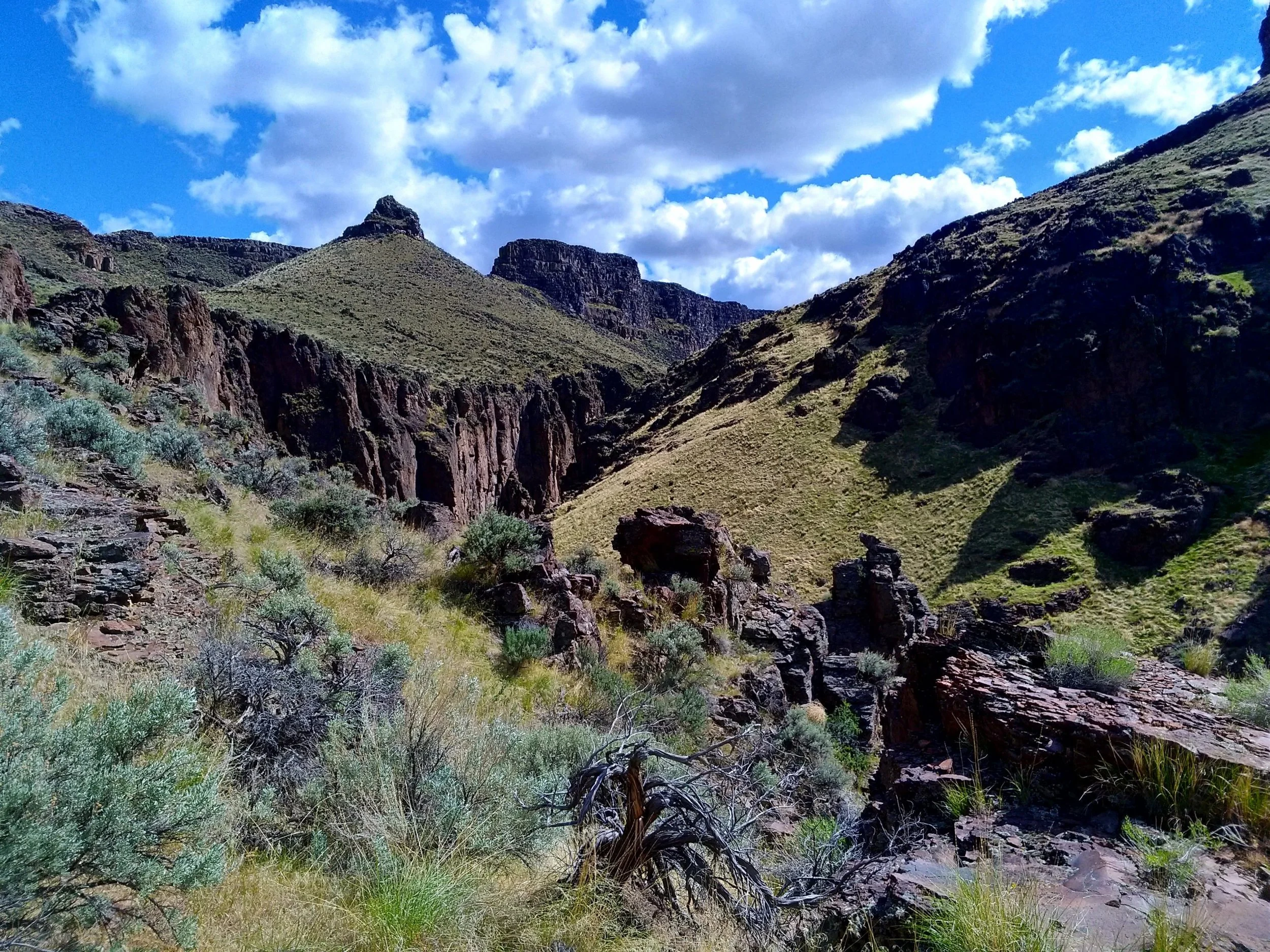
As many predicted, public lands remain at the center of conservation debates this session. Until last week, much of that conversation unfolded with limited information. We knew Senator Ben Adams (R-Nampa) planned to revise and reintroduce his amendment, and we were waiting to see the language of Representative Britt Raybould’s (R-Rexburg) amendment. Then, last Wednesday, February 4th, both dropped—within an hour of each other.
Senator Adams’s revised amendment (SJR 103) attempts to address stated concerns about how future rights to land may be established. However, the core issues we identified in our bill tracker remain unresolved. For that reason, we continue to oppose the amendment, even as we acknowledge and appreciate Senator Adams’s commitment to advocating for public lands protections.
Representative Raybould’s amendment (HJR 008) initially appears less troubling, but it raises several substantive questions that merit close scrutiny. As we continue to analyze its nuances, we will share our assessment in the bill tracker.
We are encouraged to see this conversation unfolding in the legislature. Advancing meaningful protections for public lands is possible—but only if proposals are not just well-intentioned, but well-designed. Stay tuned.
Oh, Rats!
This issue is surfacing more frequently in committee discussions, driven by growing concern over a recent influx of rats in the Treasure Valley. That concern is now translating into legislative action. Tomorrow morning, February 10th, at 8 a.m. the Senate Agricultural Affairs Committee will hear a bill introduction titled “Relating to the Abatement of Rats.” Like rats, this topic doesn’t appear to be going away any time soon. And rats aren’t the only pest on the menu—the State’s ongoing efforts to eradicate quagga mussels from the Snake River near Twin Falls is also a hot discussion topic.
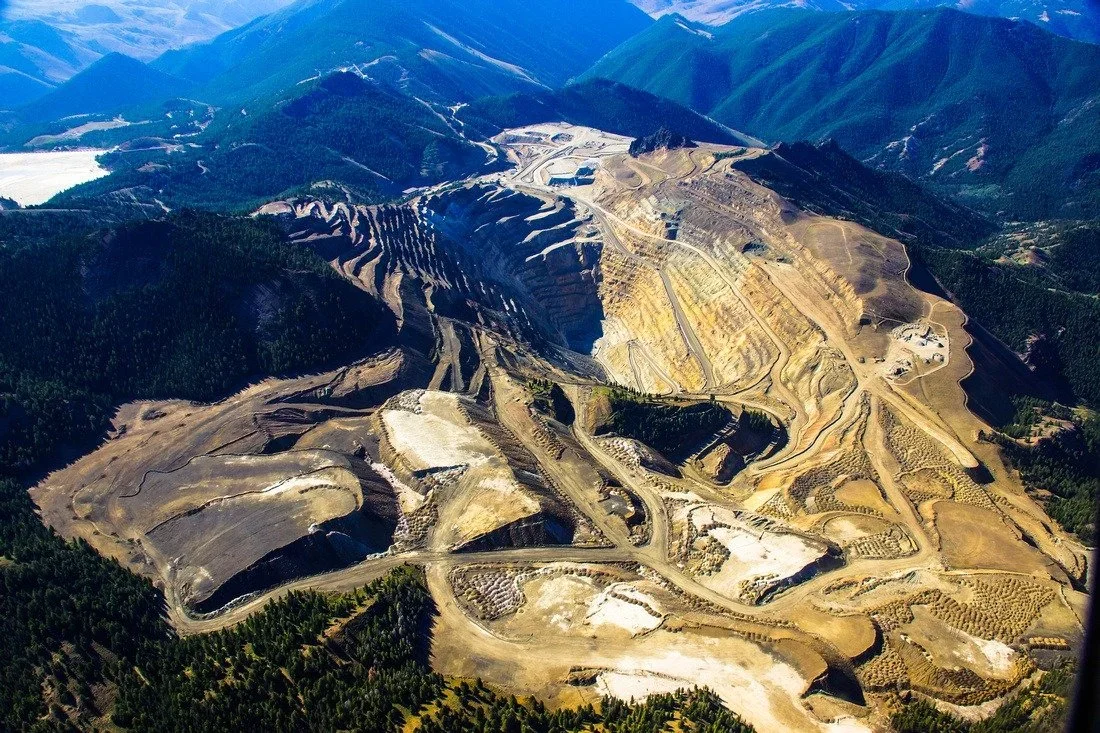
Thompson Creek Mine. EcoFlight photo.
Mining
Last week, the Senate Resources Committee heard presentations from representatives of five Idaho mines: Thompson Creek, Black Pine Mine, Stibnite Gold, DeLamar, and Galena. While the environmental implications of mining are well known, discussions are often framed as “economics versus the environment.” Although mining brings jobs and revenue, that framing oversimplifies the issue and obscures the need for a more careful economic analysis.
Idaho, the “Gem State,” is rich in natural resources, yet the vast majority of mining revenue leaves the state in the hands of international corporations, with Idaho receiving pennies on the dollar. Framed plainly, it is difficult to justify calling this sound economics; it is akin to giving up 95% of our IRA for access to 5% today. The real tension, then, is not economics versus the environment, but short-term gain versus long-term environmental and fiscal responsibility.
For further analysis, ICL’s Central Idaho Director, Josh Johnson, has published a detailed blog post.
Energy
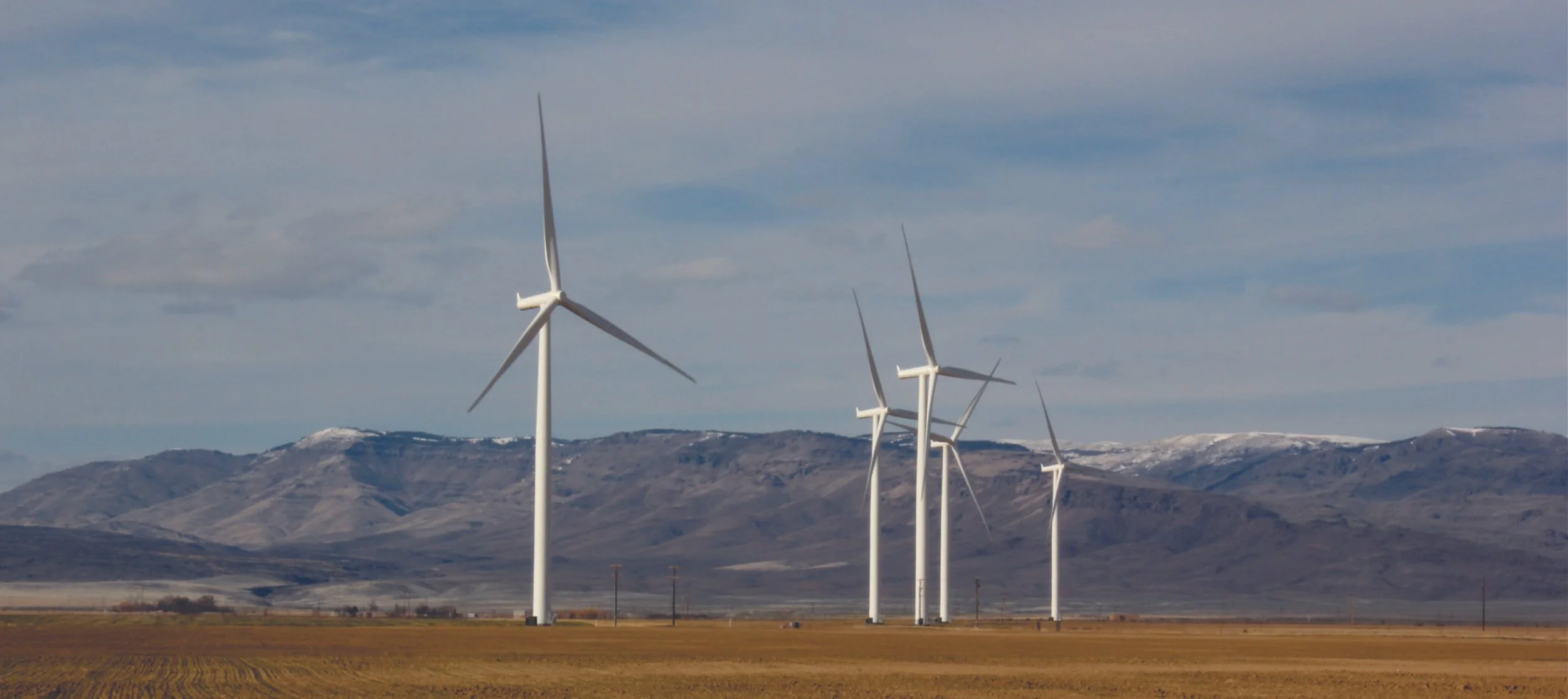
Idaho National Laboratory’s Dr. John Wagner presented to the House Environment, Energy & Technology Committee on the emerging nuclear renaissance driven by the current administration’s push to meet growing energy demand. With a $2 billion budget and an economic impact exceeding $4 billion in Idaho, the momentum behind nuclear energy is clearly accelerating. We hope to see momentum build for clean energy projects like wind and solar, which have huge potential to be built in Idaho and bring down power bills for Idahoans.
Pesticides
A pesticide immunity bill has not been introduced yet this legislative session, but the idea is advancing in other states—and we are keeping watch. That includes keeping a close eye on Wyoming, where a bill in motion could have potential implications to Idaho communities. The proposal would allow companies to harm people even when a pesticide label is knowingly false, misleading, or fraudulent. Each bill introduced elsewhere raises the likelihood of similar legislation appearing in Idaho. At the federal level, it appears Bayer is hoping for a win with state law matching. We continue to track and discuss the dangers of pesticide immunity with Idaho legislators. ICL remains committed to prioritizing public health and the rights of Idahoans over out-of-state corporations.
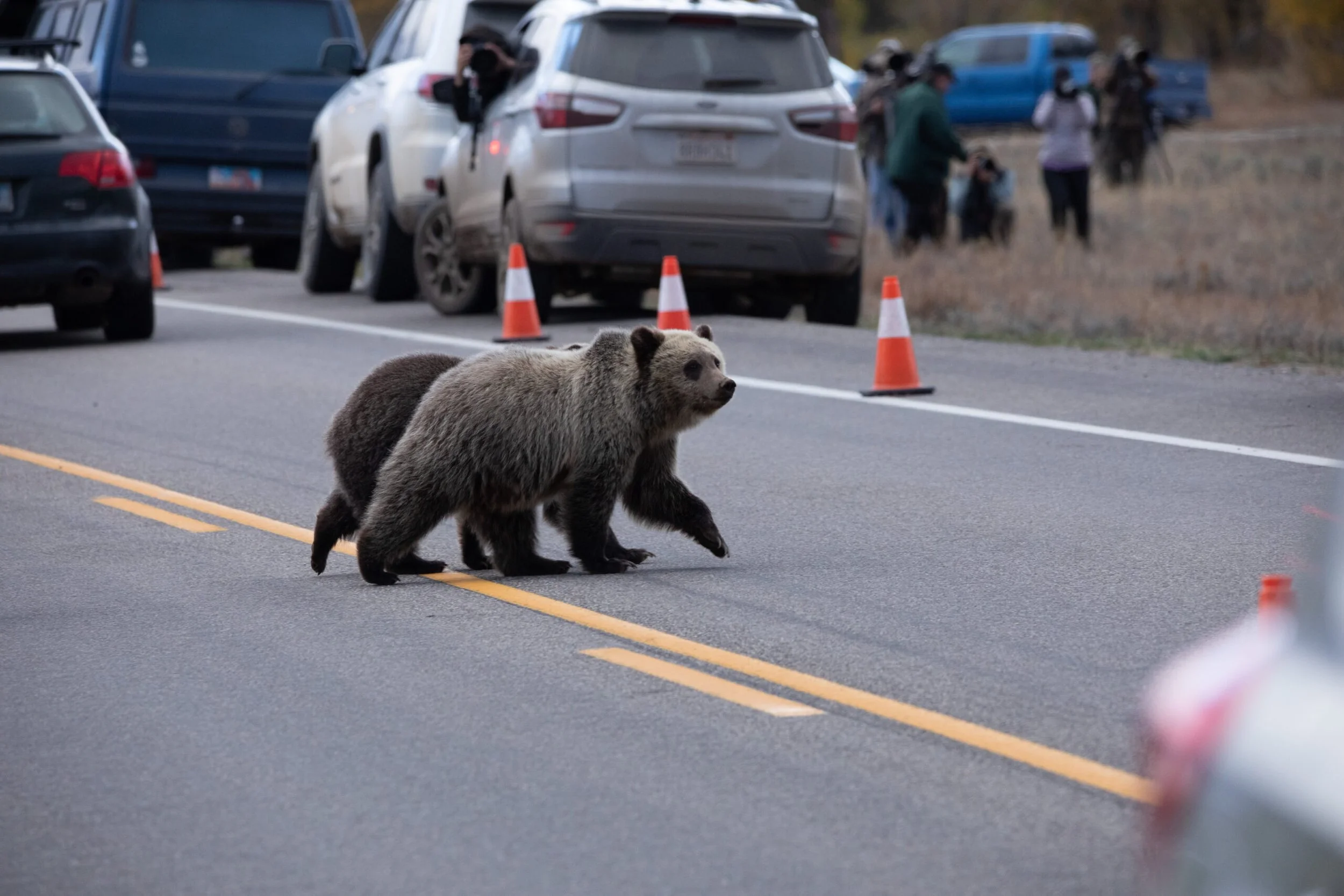
Ed Cannady photo.
Wildlife
Discussion around wildlife has surged in recent weeks, with a flurry of proposals emerging. That includes a joint memorial on depredation claims; a House bill repealing statutes related to wolf management and penalties for game violations; a Senate bill extending the public comment period for Idaho Department of Fish and Game decisions on seasons and take limits; and a concurrent resolution recognizing and supporting wildlife crossings statewide. Our analysis of each is available in the bill tracker.
We are particularly encouraged by the growing momentum behind wildlife crossings and strongly support the resolution. We commend Representative James Petzke (R-Meridian) for highlighting the critical role these crossings play—not only in protecting wildlife and connected landscapes, but in improving public safety across Idaho. Wildlife crossings are commonsense solutions that save money, save lives, and save wildlife.
Alex’s Analysis:
Last week, with the (re)introduction of two long-anticipated public lands amendments, lines have officially begun to be drawn in the sand. That said, given how the conversations have unfolded so far, it is difficult to imagine those lines are not subject to movement, or even erasure. Still, I am not comfortable with where they are currently drawn.
I’ve found myself reflecting often on the importance of collaboration and productive dialogue in conservation efforts. The vast majority of Idahoans recognize how vital public lands, and conservation more broadly, are to our way of life. The last thing I hope to see is people with shared values hardening those lines into cement over reconcilable differences in methodology. If that happens, we risk undermining a rare and meaningful opportunity to secure lasting protections for the very foundation of Idaho’s future.
Listen of the Week
With public lands dominating conversations at the Legislature, this week’s listen of the week could not be more timely. Our Public Lands and Wildlife Director, John Robison, recently joined an episode of The Ranch Podcast to discuss what’s at stake for Idaho’s public lands and how these discussions are unfolding in real time. It’s a thoughtful, accessible conversation, and well worth a listen.
