
In 2024, the U.S. Department of Interior (DOI) adopted a Record of Decision finalizing updates to their 20-year-old Yellowstone Park Bison Management Plan. It relied heavily on Secretarial Order 3410, which outlined a grand vision for restoring wild, genetically-intact bison to historic areas of prairie grasslands and engaging Tribal entities in those efforts. Thousands of public comments on the initiative overwhelmingly expressed support for a robust presence of our national mammal in and around Yellowstone National Park.
Now, a new DOI decision will re-open the issue again and take decision-making away from biologists, park leadership and Tribal interests.
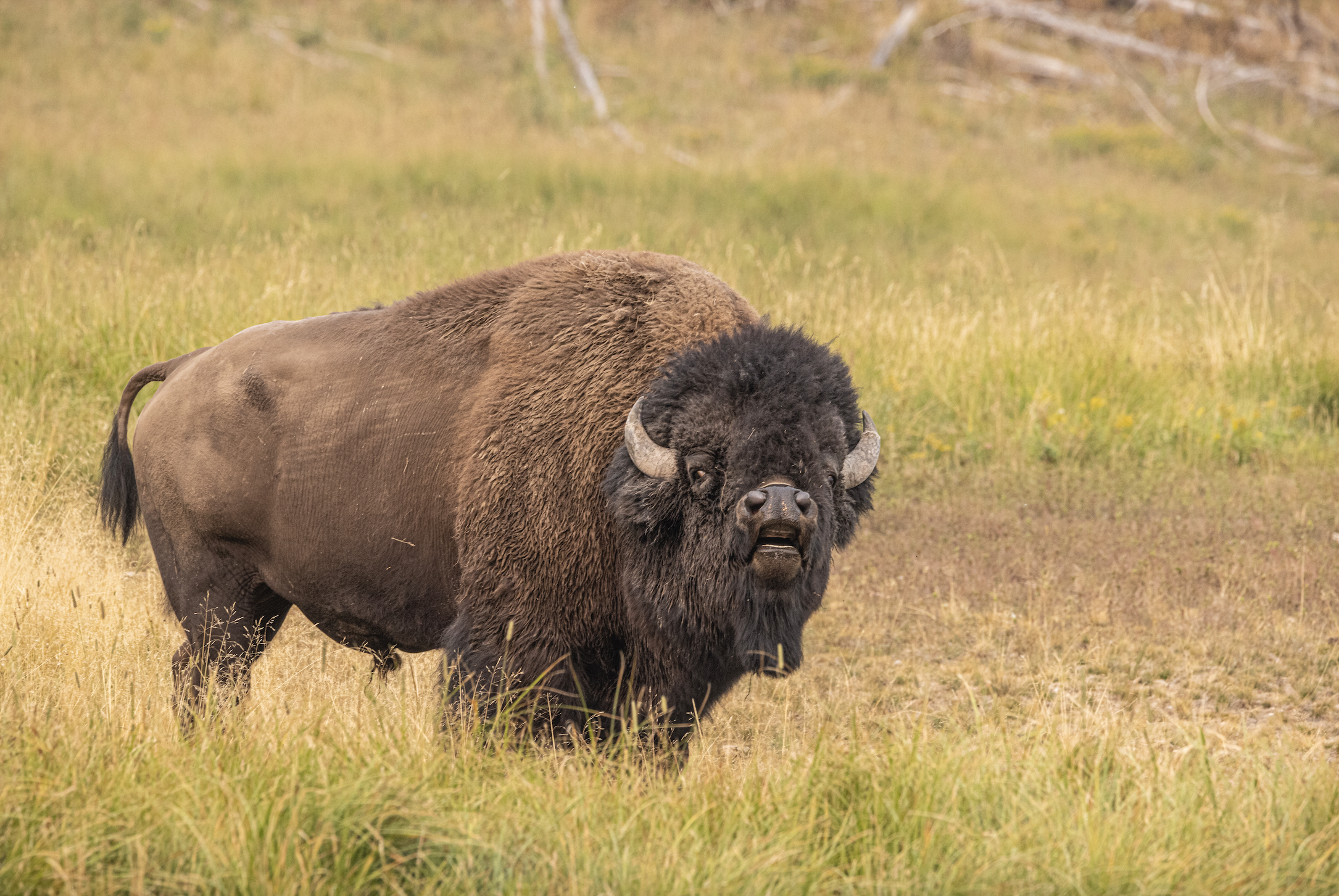
Ed Cannady photo.
ICL commented to the National Park Service (NPS) early in their process to develop a new management plan. We reminded them of the important ecosystem benefits of wild, free-ranging bison. We encouraged the NPS to manage bison like other native ungulates, allowing animals to naturally migrate from the park, into and around adjacent areas in the Greater Yellowstone Ecosystem.
The finalized plan ultimately gave assurances that the park would manage the Yellowstone bison herd for an early-winter threshold of 5,200 animals. In years that populations exceeded those targets, the park would enter more animals into a quarantine program for eventual release onto Indigenous lands instead of being shipped out for Tribal food programs.
ICL was also encouraged that the plan featured the latest research findings on brucellosis—a disease that causes pregnant cattle to spontaneously abort their fetuses. The plan emphasized that native elk pose the biggest risk of disease transmission to domestic cattle, and not bison. It made clear that “until tools become available that would simultaneously allow for an eradication program (of brucellosis) in elk, additional aggressive control measures in bison seem unwarranted.”Despite objections from the state of Montana, ICL also appreciated that the plan also made provisions for bison to migrate “into designated management areas in Montana, including portions of the Custer Gallatin National Forest that would support conservation and increase tribal harvest opportunities.”
However, bison advocates all over the country are now concerned that political pressures may have factored into a recent announcement that the Department of Interior will revisit the 2024 Record of Decision that finalized the Yellowstone Bison Management Plan only two years after it was adopted.
The NPS now plans to initiate a Supplemental Environmental Impact Statement (SEIS) and develop “one or more new alternatives” to the finalized 2024 management plan. The process will consider what the NPS describes as new information that “seasonal bison migration out of the park has become less predictable in timing and duration. This change affects the reliability of management assumptions that informed the 2024 analysis, warranting supplemental review.”
The SEIS is also in response to a lawsuit from the state of Montana challenging the 2024 decision, pressing the Park Service to cap bison populations at 3,000. It also comes shortly after other major Department of Interior announcements to revoke American Prairie’s bison grazing permits on BLM lands in northeastern Montana and initiate a comprehensive effort to overhaul public lands grazing regulations.
ICL believes that the NPS fully analyzed effects of weather patterns and climate change on bison migration leading up to the 2024 Record of Decision. The final Environmental Impact Statement was the product of an exhaustive analysis of factors involved in managing Yellowstone bison and considered nearly 30,000 public comments. This also included robust assessment of expected population numbers, changes in snowpack patterns, forage availability, and shifting bison migration behavior due to milder winters.
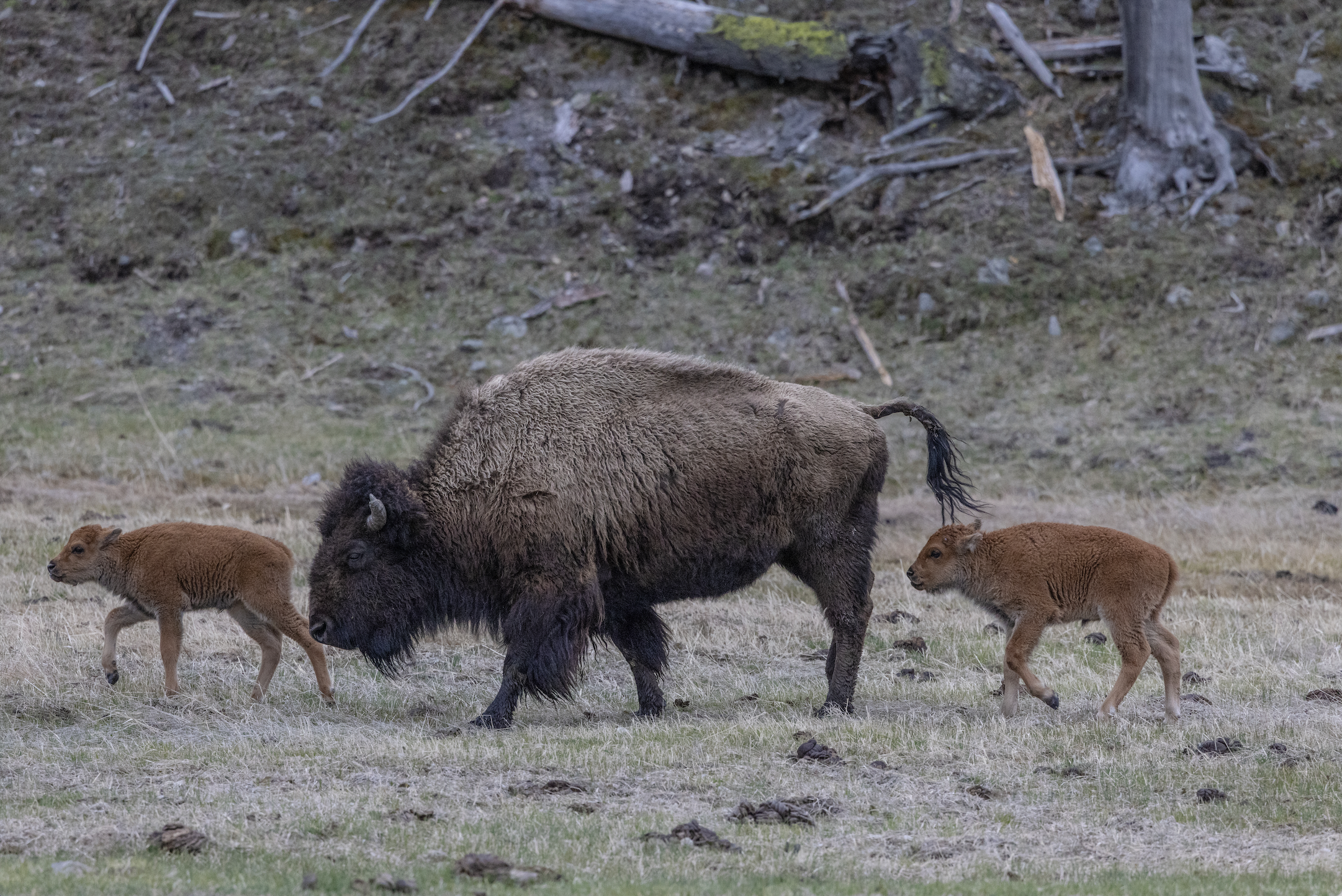
Ed Cannady photo.
ICL recently raised concerns to the NPS about their choice to revisit the 2024 Record of Decision. ICL was generally supportive of the final plan and we’re disappointed that the Department of Interior is conducting another analysis.
Nevertheless, we used the recent comment opportunity to push the NPS to include a new alternative in the Supplemental Environmental Impact Statement that:
Provides for a higher bison population threshold (up to 8,000 animals) than what was adopted in the 2024 decision. A free-ranging YNP bison population should be managed to ebb and flow based on annual weather patterns and climate-driven resources available to them including, water, forage, cover and competition from other wildlife.
Recognizes bison as a native wildlife species (like deer and elk) and allows bison to carry out vital ecological roles in the Greater Yellowstone landscape.
Make habitat improvements on public lands near Yellowstone that enhance connectivity and other life-cycle requirements for self-sustaining populations of bison.
Continue to seek socially-accepted, community-based opportunities to reduce cattle in areas adjacent to YNP and minimize conflict between bison and livestock operations.
We expect the new SEIS to be released with additional alternatives later this year or early in 2027. Bison advocates across the country will then have another opportunity to weigh in on how our national mammal is managed in America’s oldest and most iconic national park.