
A dry winter and hot spring fuels Idaho’s wildfire risk
The 2025-26 winter delivered far less snow than most Idahoans wanted and what the State needs to replenish water supplies and suppress wildfires this year. How bad was the past winter? Reporting indicates that Idaho’s capital city received the lowest snowfall amounts since record keeping began in 1899! Ski resorts opened later than expected, worked through limited operations, and closed earlier than normal. As we kicked off summer, rivers and streams peaked with runoff much earlier than usual. The snowpack is all but gone from the mountain tops and valleys, leaving little to keep streams flowing with clean, cold water to support fish, wildlife, and Idaho’s communities.
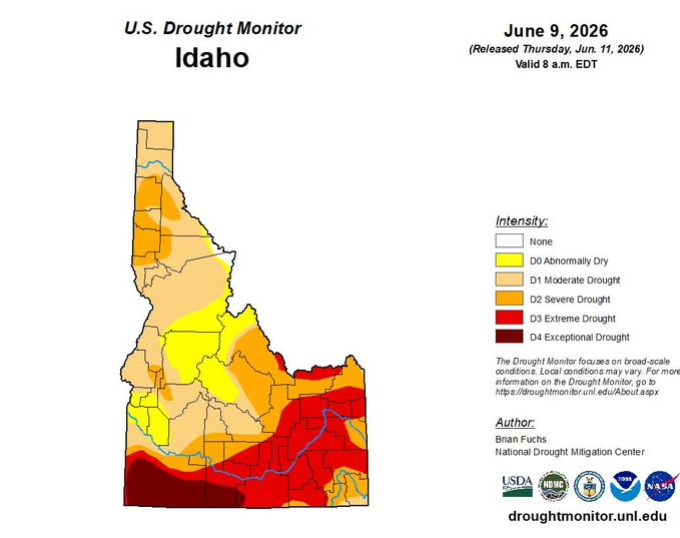
The west-central and northern parts of the state are currently experiencing moderate drought conditions. However, Southern Idaho and across the Snake River Plain conditions are much worse and falling into Extreme or Exceptional drought conditions. The lack of winter precipitation and current dry, hot conditions are fueling what experts believe will be a difficult and extreme wildfire season.
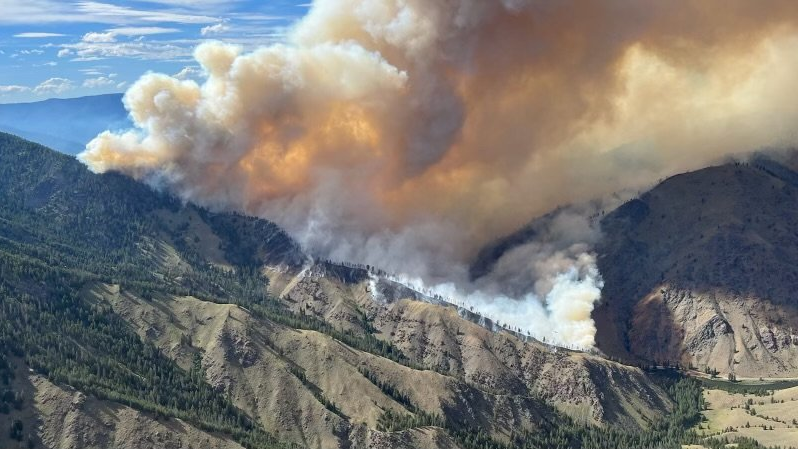
Idaho firefighters are already busy battling blazes across the state, with the most significant fires along the Snake River Plain. Sadly, the vast majority of these early wildfires are human caused and easily preventable. The Idaho Department of Lands (IDL) maintains a fire map of all 2026 wildfires in the state, providing information on start and “out” dates, location, size, and cause determinations.
Environmental conditions are not the only factors contributing to Idaho’s high wildfire risk. A recent analysis by the Center for Western Priorities indicates that hazardous fuel treatments declined by approximately 35% in 2025 when compared to 2024 activities. It is far more dramatic for Idaho. In 2024 the U.S. Forest Service treated 418,339 acres in Idaho and 230,788 acres in 2025, a dramatic 45% reduction. The drastic decline in vegetation management activities likely stems from lowered staffing and capacity levels at land management agencies.
Vegetation treatments commonly include prescribed fire, thinning and mastication, and brush clearing, all of which reduce vegetation and help re-create more fire-adapted and resilient forest conditions. Up-to-date fire and smoke conditions are actively tracked by the Idaho Department of Environmental Quality (IDEQ), providing critical information that helps us determine if outdoor activities are safe due to smoke from either prescribed fire or unintentional or natural wildfires. Climate change also stands out as a primary factor influencing precipitation, temperatures, and snowmelt, resulting in the wildfire season extending 80 days longer than just a few decades ago.
As Idaho’s population grows, so does the wildland-urban interface, which is the transition zone where housing and the human environment meets undeveloped vegetated landscapes. If you live near or in a community’s wildland-urban interface you can determine your home’s wildfire risk here. The increased wildfire risk is also creeping into our pocketbooks with home insurance rates rising and some insurance carriers dropping coverage or refusing to insure homes and businesses in high risk areas. We recommend creating defensible space around your home or business and using fire-resistant materials for remodeling projects and new home construction.
There are many actions individuals can take to be more aware and prepared for wildfires, as well as prevent them.
Start at home!Create defensible space around your home before fire season arrives in full.
Practice campfire safety! Take extra care with your campfire this summer (or just skip the campfire and enjoy the stars instead). Check and see if other campfires you come across are out and cold to the touch. If not, douse it yourself.
Use extreme care with fireworks! With 4th of July celebrations just around the corner, honor our public lands during the Nation’s 250th celebration by complying with federal restrictions on fireworks on public lands and with local restrictions. Also consider celebrating the 250th without home or personal fireworks this year.
Stay engaged! Get involved with the Forest Service in developing local projects that reduce hazardous fuels and restore forests while protecting old growth, watersheds and fish and wildlife habitat. Join a local forest restoration collaborative to develop recommendations for forest, watershed and wildlife habitat restoration projects.
Remember that wildfires are a natural part of Idaho’s forests and public grasslands, but the reality is that in many parts of Idaho, fires are behaving differently. We can all play a role in helping protect our public lands, communities, and first responders by being fire aware. For more tips on wildfires, responsible recreation, and all things public lands - sign up for our email updates here!