A Day in the Life of a Wilderness Steward
Editor’s Note: This year, we are celebrating ten years of the Wilderness Stewards Program! Join Annie DeAngelo, ICL’s Wilderness Steward Program Organizer, for a day in the life of a steward!
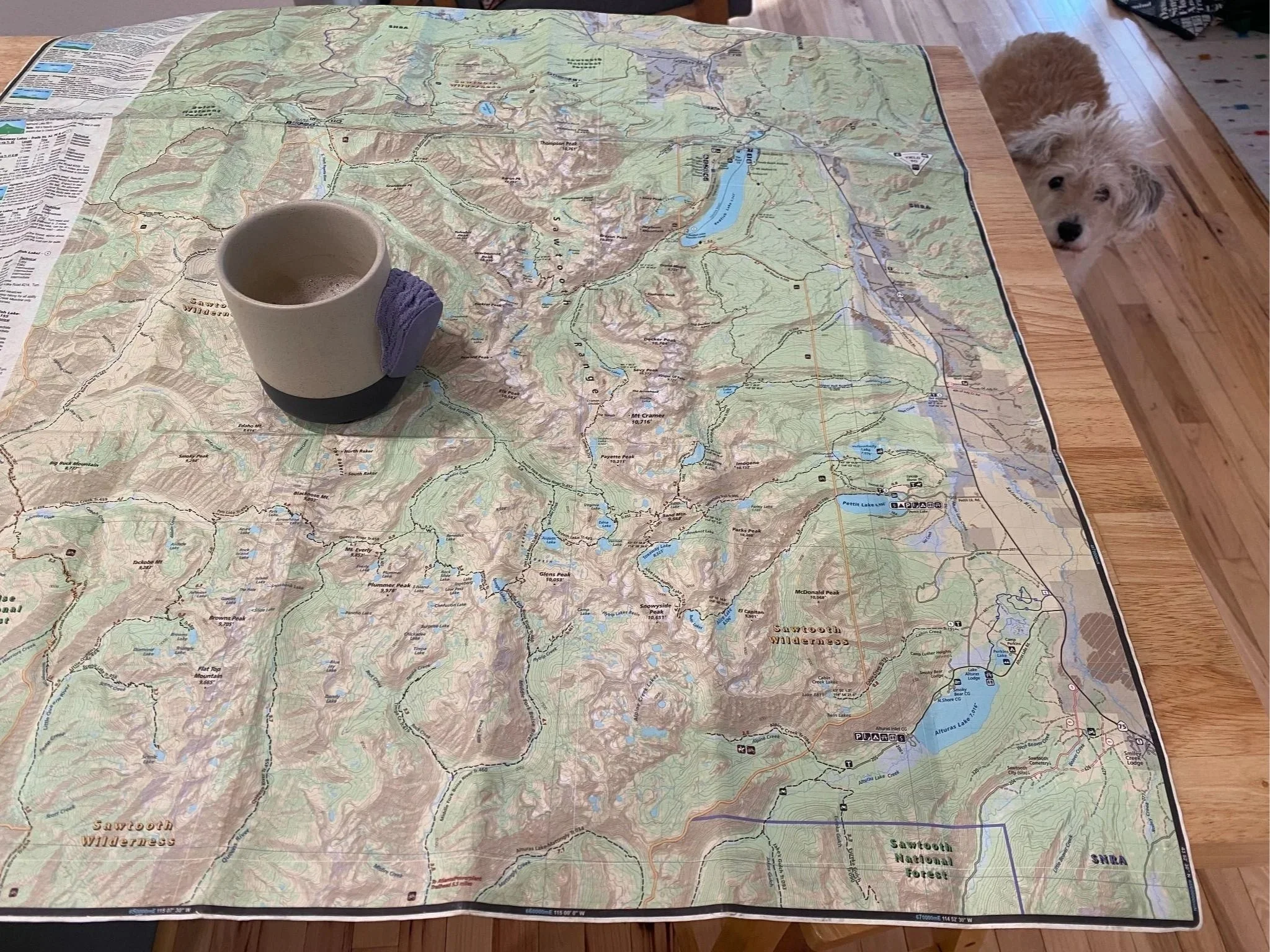
9:05 AM: Making a Plan
Over a decaf coffee, I looked at a map of the Sawtooths to decide where to go. The Cabin Creek Lakes were my first ever backpacking trip in the Sawtooths, and I hadn’t been back in years so I decided to head there. I checked the AQI since it had been smoky in the Sawtooths in previous days and was happy to see that the air quality had improved!
After breakfast, I packed up my pack with everything I’d need for a day of being outside, dismantling fire rings, and picking up trash. I also let someone know where I was heading.
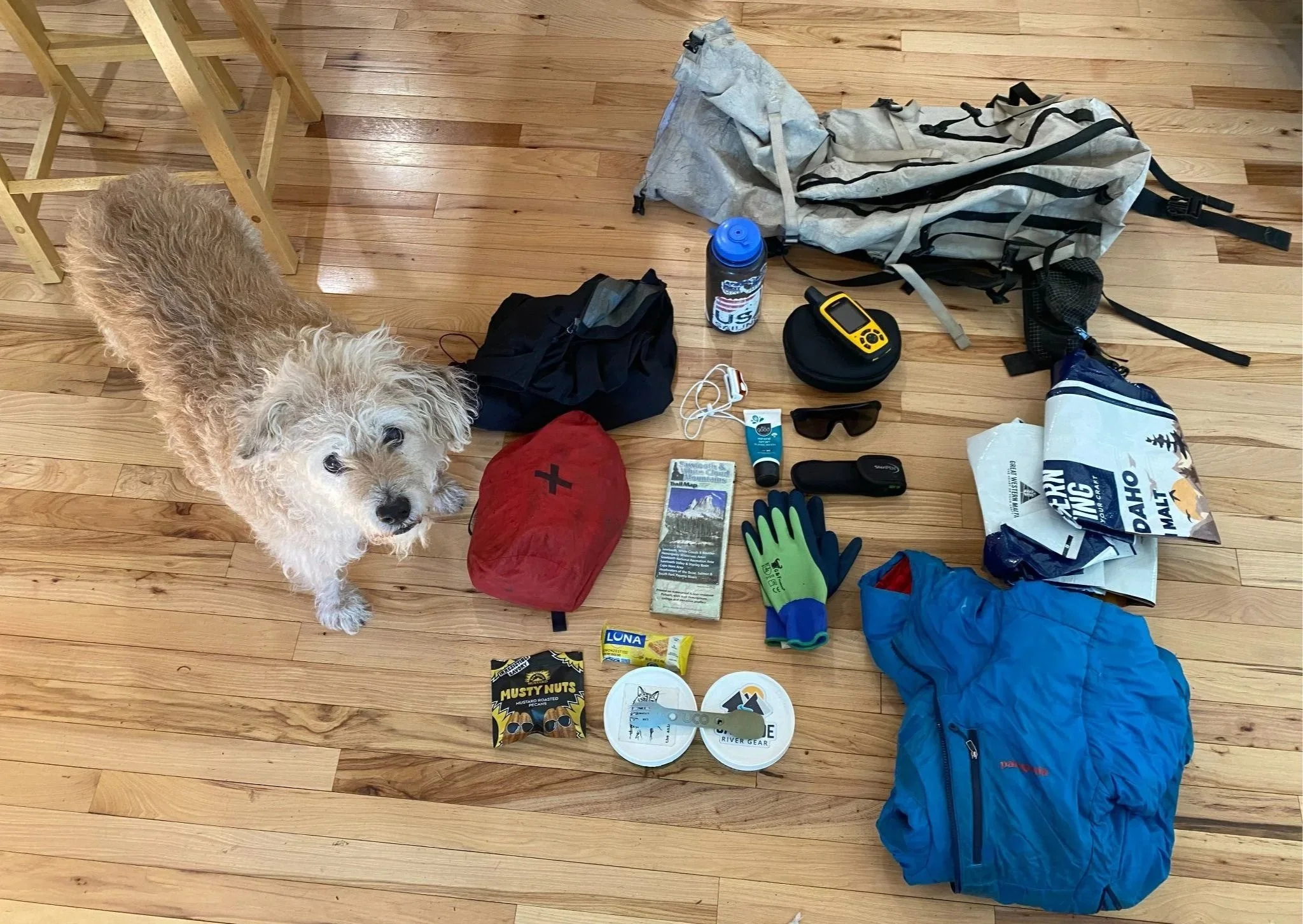
*Xander hasn’t yet realized that he isn’t joining this expedition.
12:05 PM: Trailhead and Permit Box
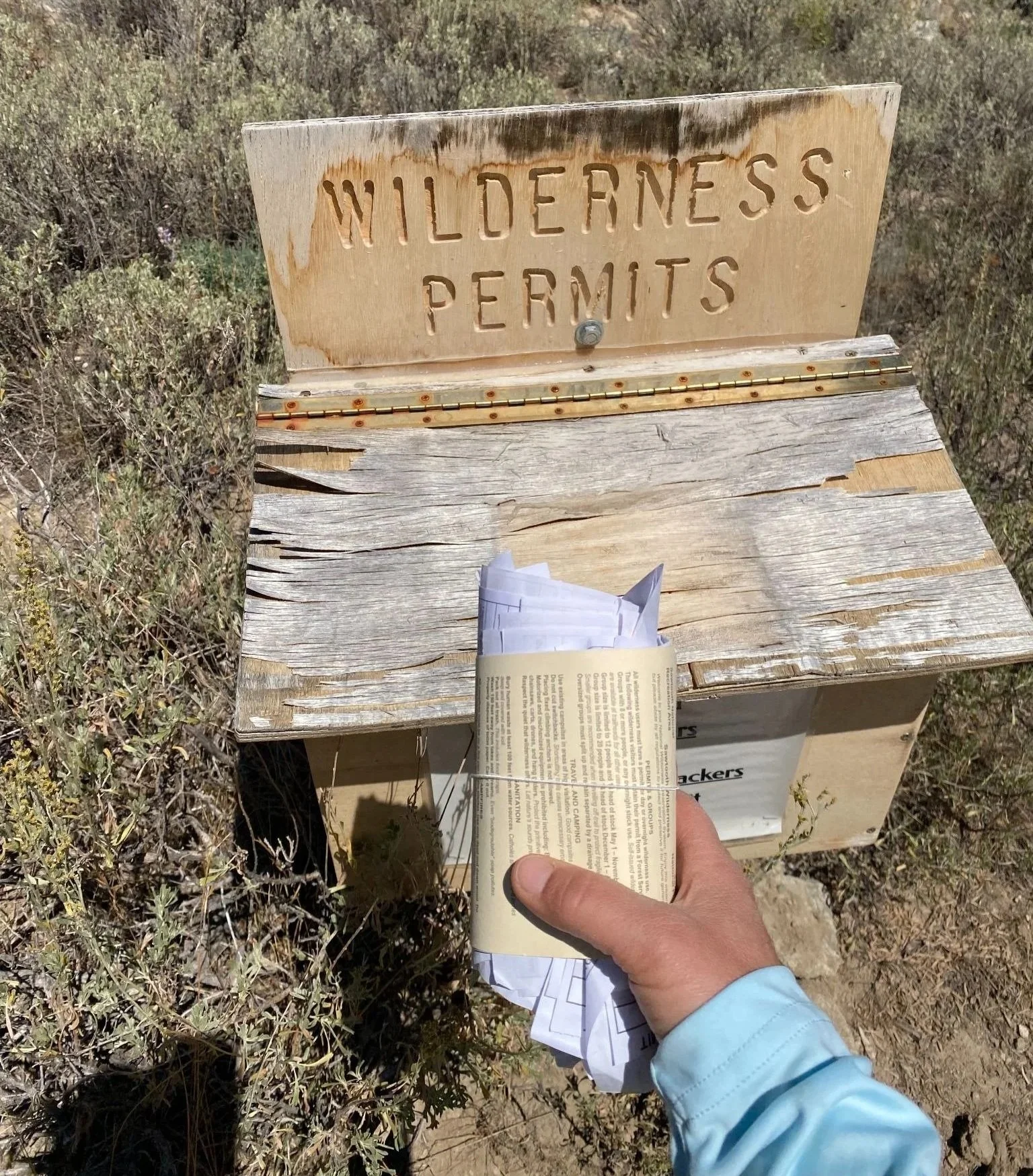
After a slow morning and some errands, I headed north! I checked the sign board at the trailhead and quickly arrived at the wilderness permits box. I filled out my own permit and then collected all of the filled-out white slips in the box for the Forest Service.
12:25 PM: Snake Spotting
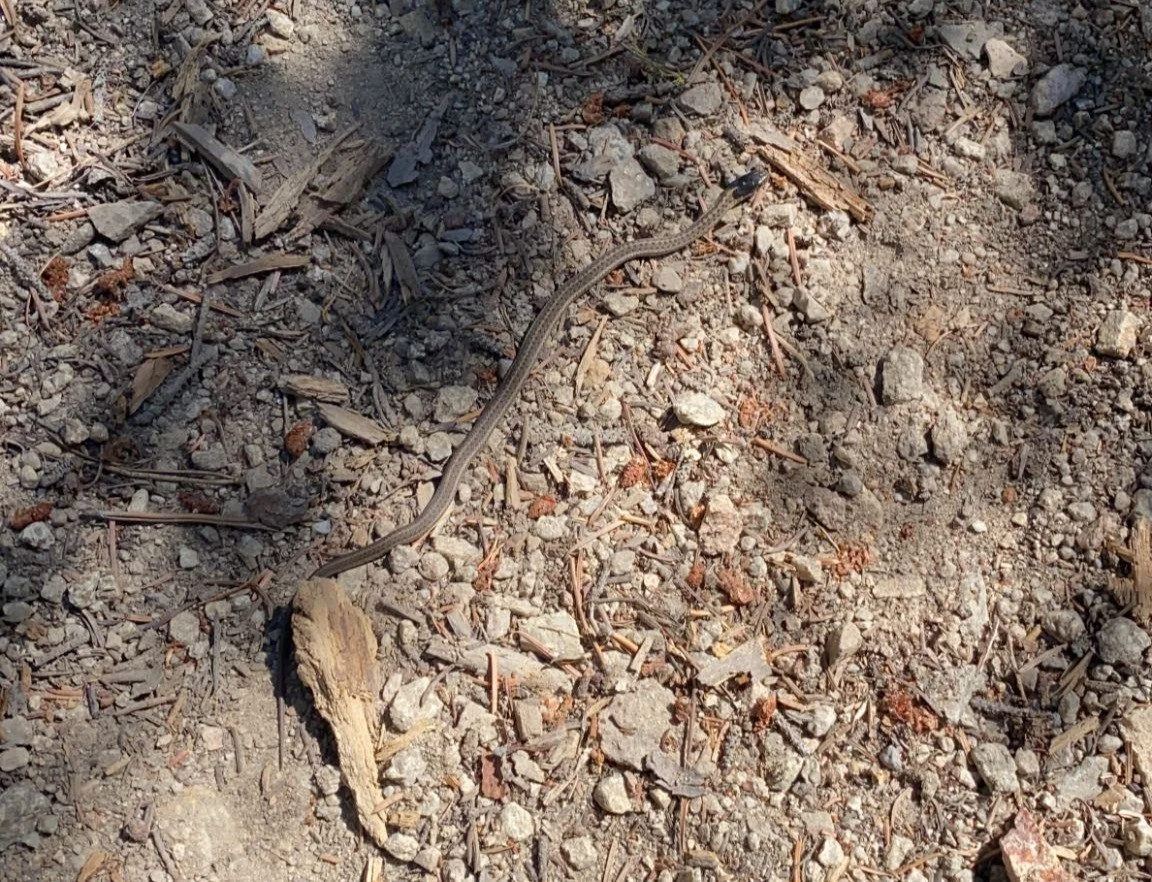
I saw the tiniest snake that I have ever seen along the trail! I am not very good with my snake ID, but my Seek app told me that it is a Western Terrestrial Garter Snake. Let me know if I’m wrong!
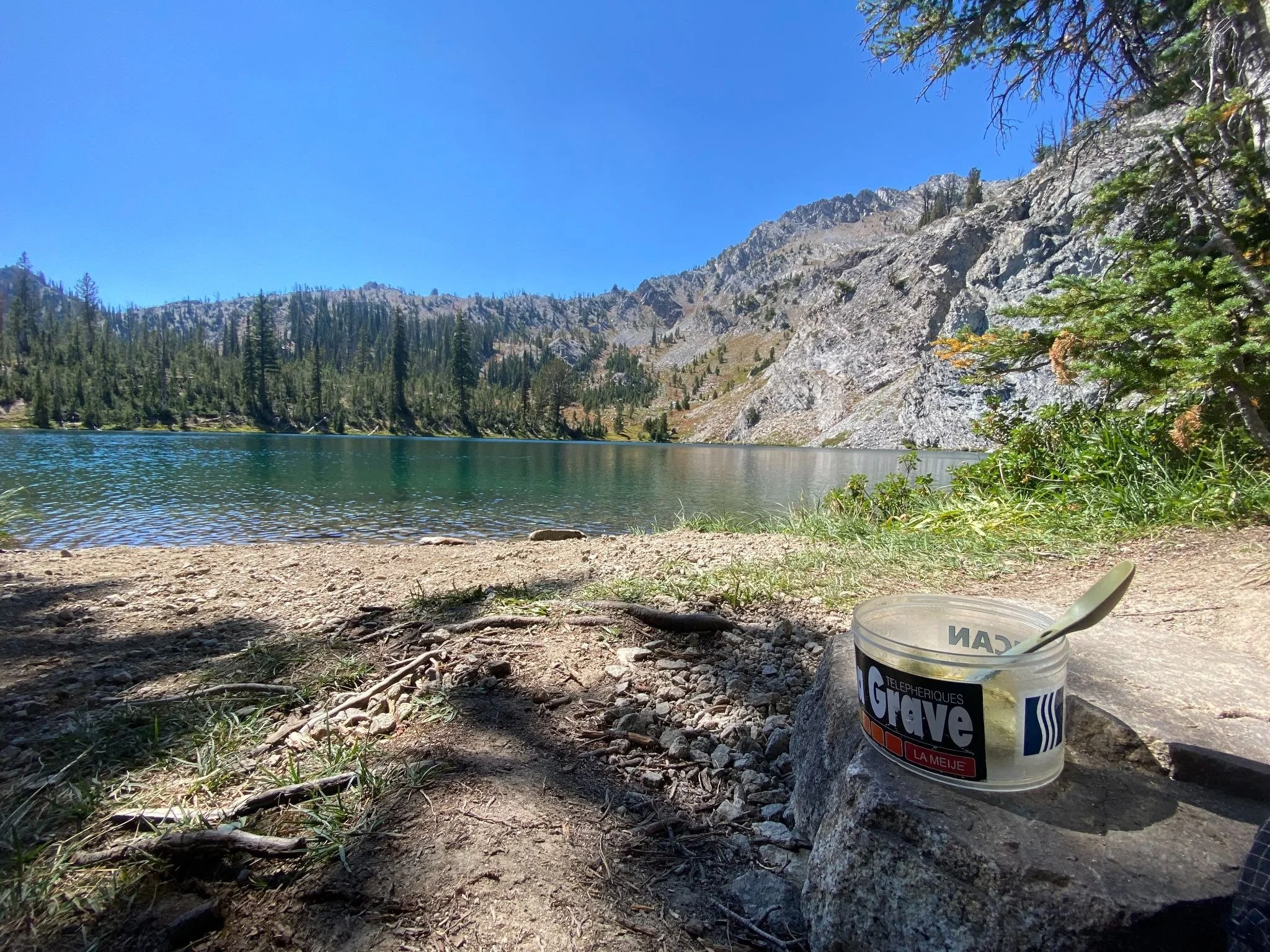
2:18 PM: Lunch at the Lake
As an Italian, food is important to me. One of my favorite things in the world is eating good food in beautiful places!
2:42 PM: Fire pit breakdown
In my mind, one of the most important things that we do as Wilderness Stewards is break down fire rings. In the Sawtooths, fires outside of a fire blanket or pan are not allowed and the Sawtooths are littered with fire rings. In the U.S., about 85% of wildfires are started by people and unattended fires are a big culprit. By removing fire rings we can discourage illegal fire building, hopefully preventing a future wildfire.
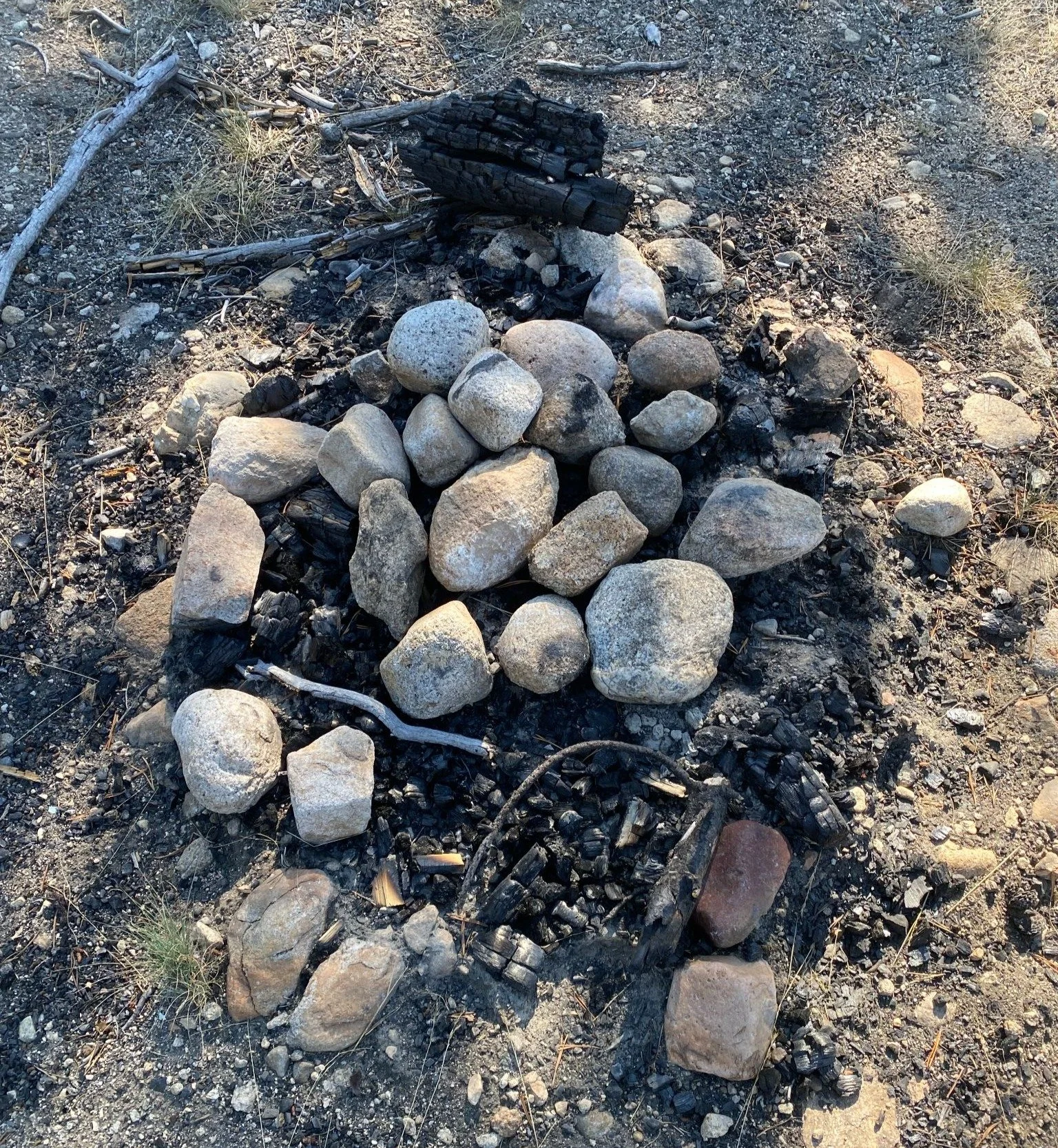
I started off by removing the trash and rocks that someone had thrown onto the fire ring. I scattered the rocks and tried to place the sooty side down to make it less obvious.
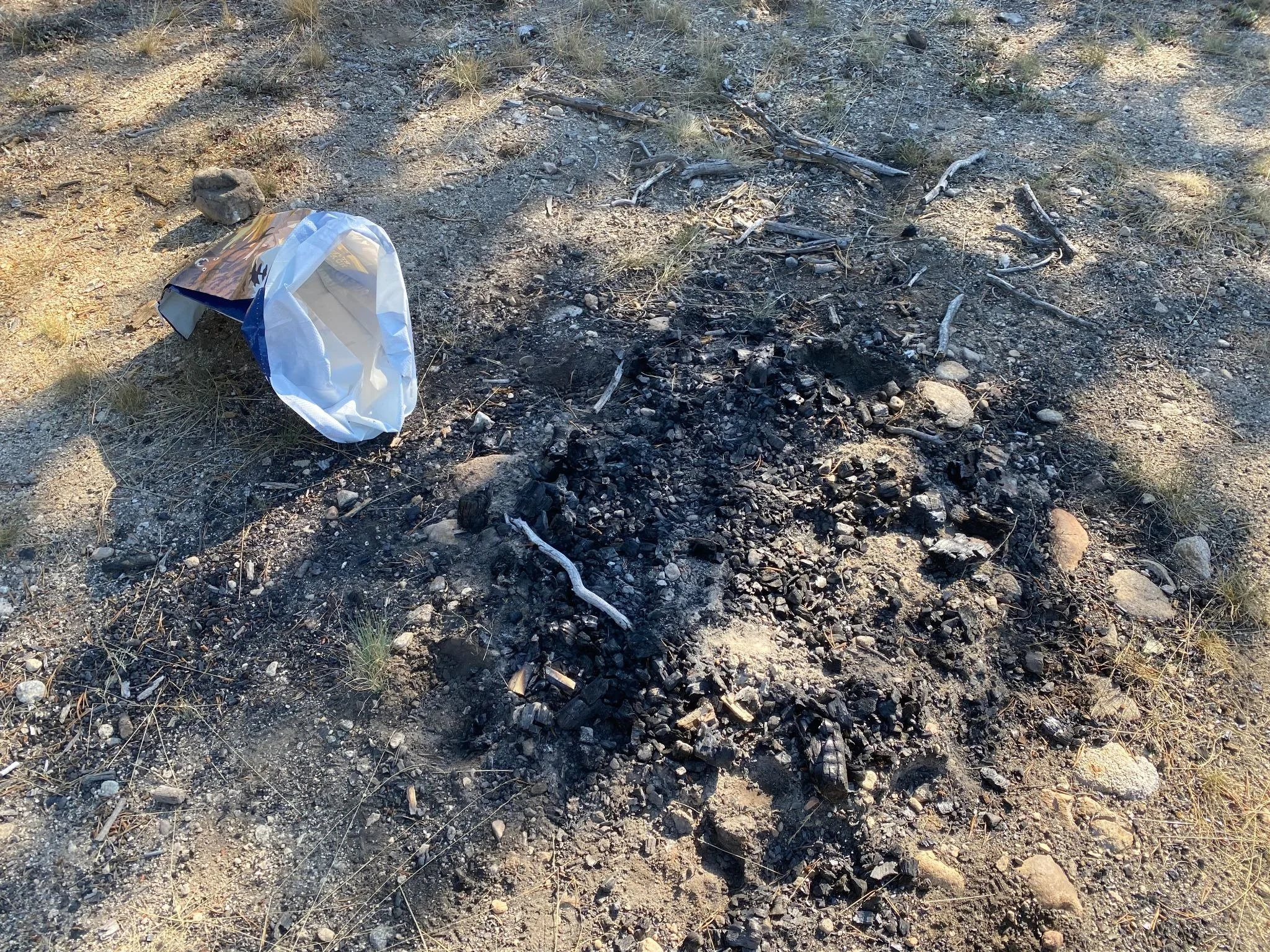
Then I shoveled the ash and coals into a grain sack that I had brought up. I took this away from the fire pit and scattered it.
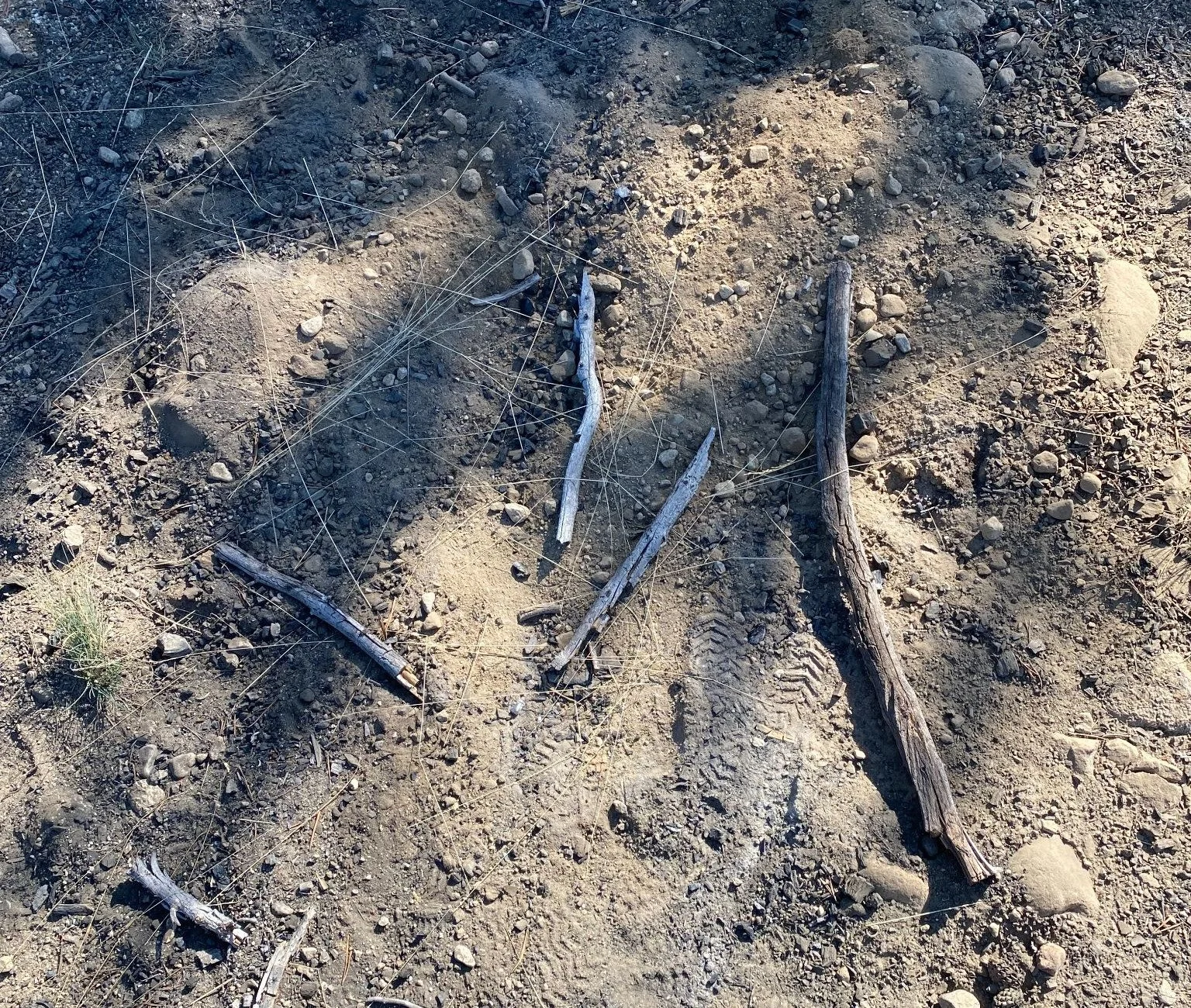
Finally, I tried to toss some unburnt dirt and duff back onto the site.
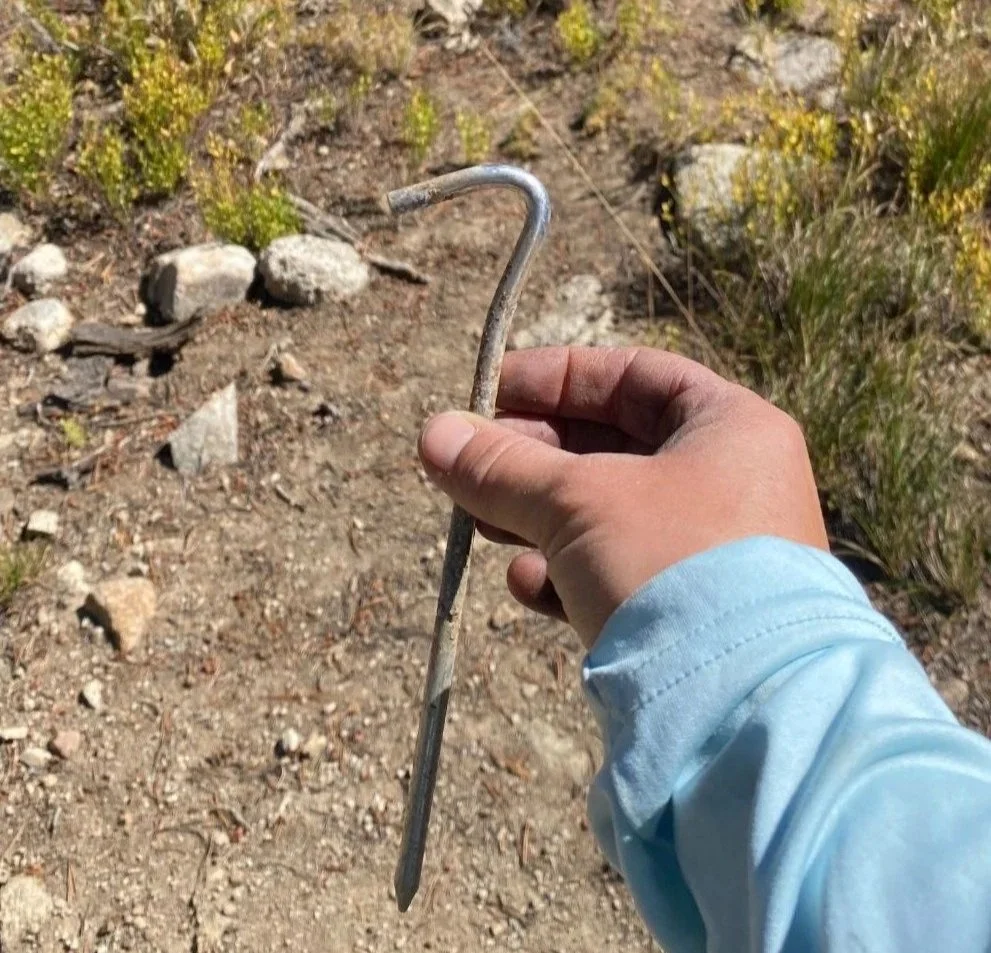
3:07 PM: Tent stake located
Another objective of the Steward program is to leave the areas better than we found them by picking up trash. Clearly, someone had packed up their tent and forgotten this tent stake.
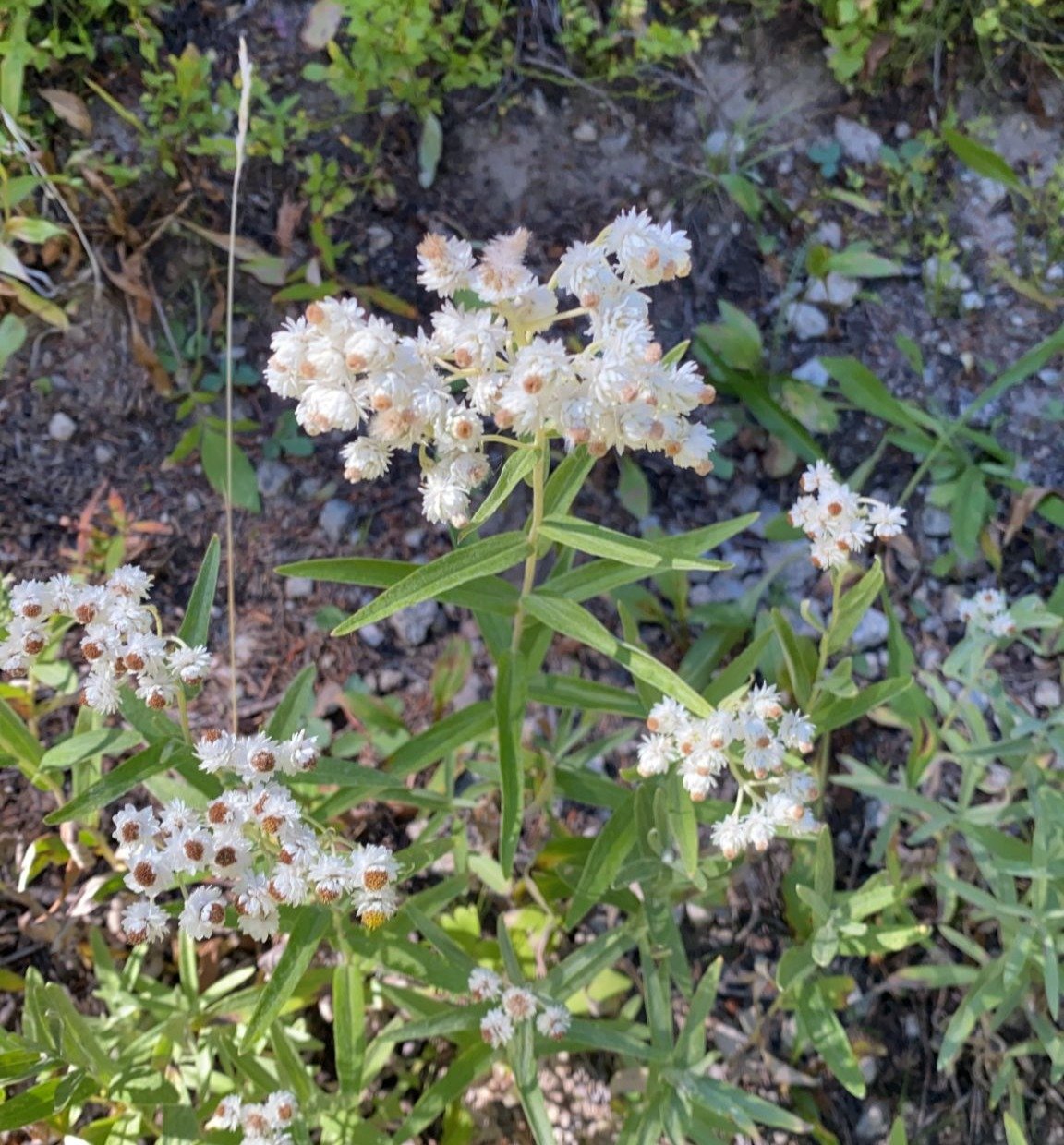
3:27 PM: Pearly Everlasting Observed
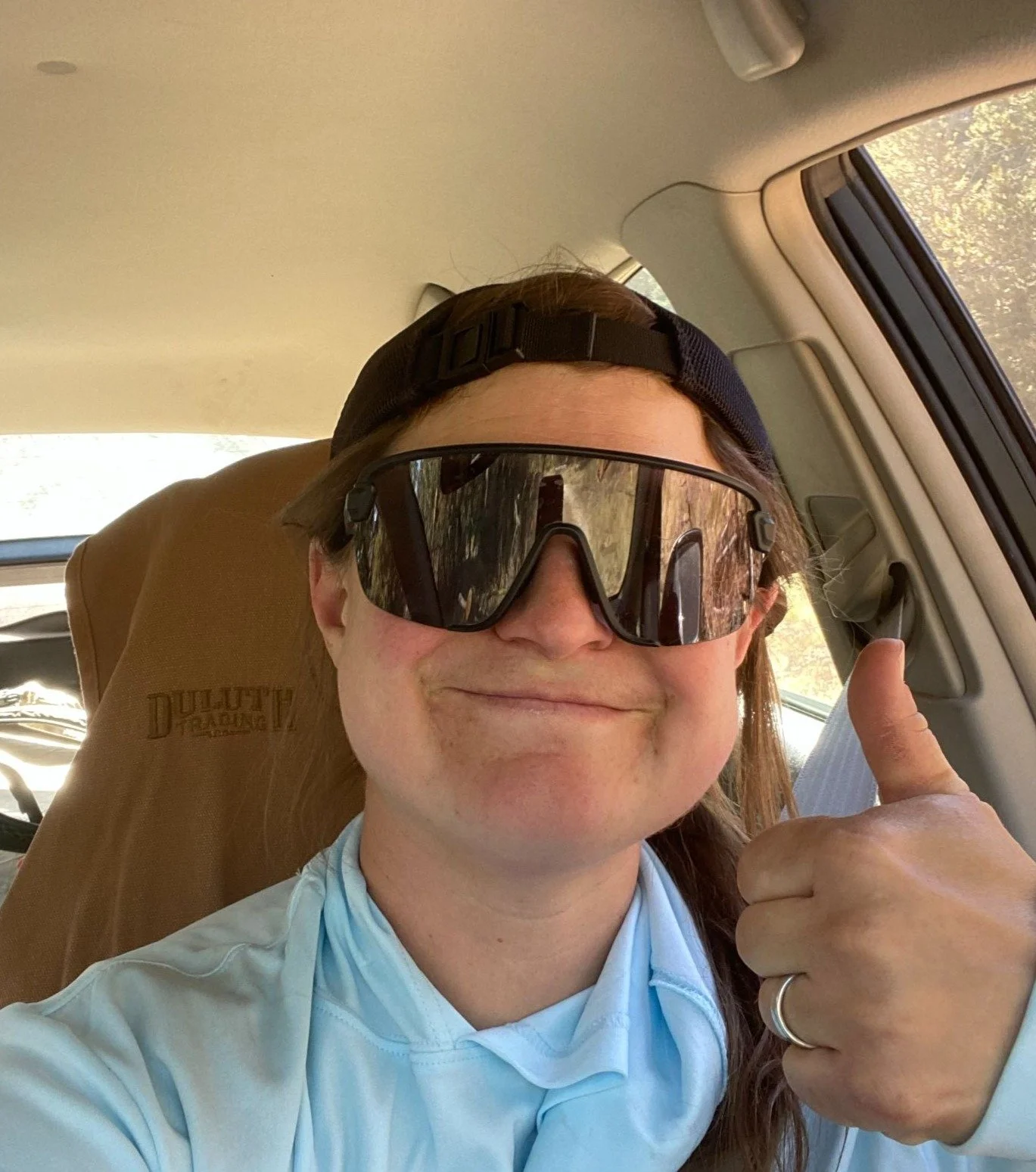
4:16 PM: Back at the car
7:42 PM: Wilderness Steward Post Patrol Reporting
All of the data that we collect as Wilderness Stewards is passed along to the Forest Service. After each patrol, stewards report all of their data from the day, from miles patrolled, to number of backpackers observed, to amount of trash removed. It’s an incredible amount of data that we have compiled over time. Since 2016, we have completed over 1,500 patrols, broken down 813 fire rings, and patrolled for 13,720 hours. That’s the equivalent of just over a year and a half!
If you are interested in becoming a Wilderness Steward next summer we would love to have you! Sign up for updates next spring and tentatively pencil in our training for Saturday, June 5, 2027.